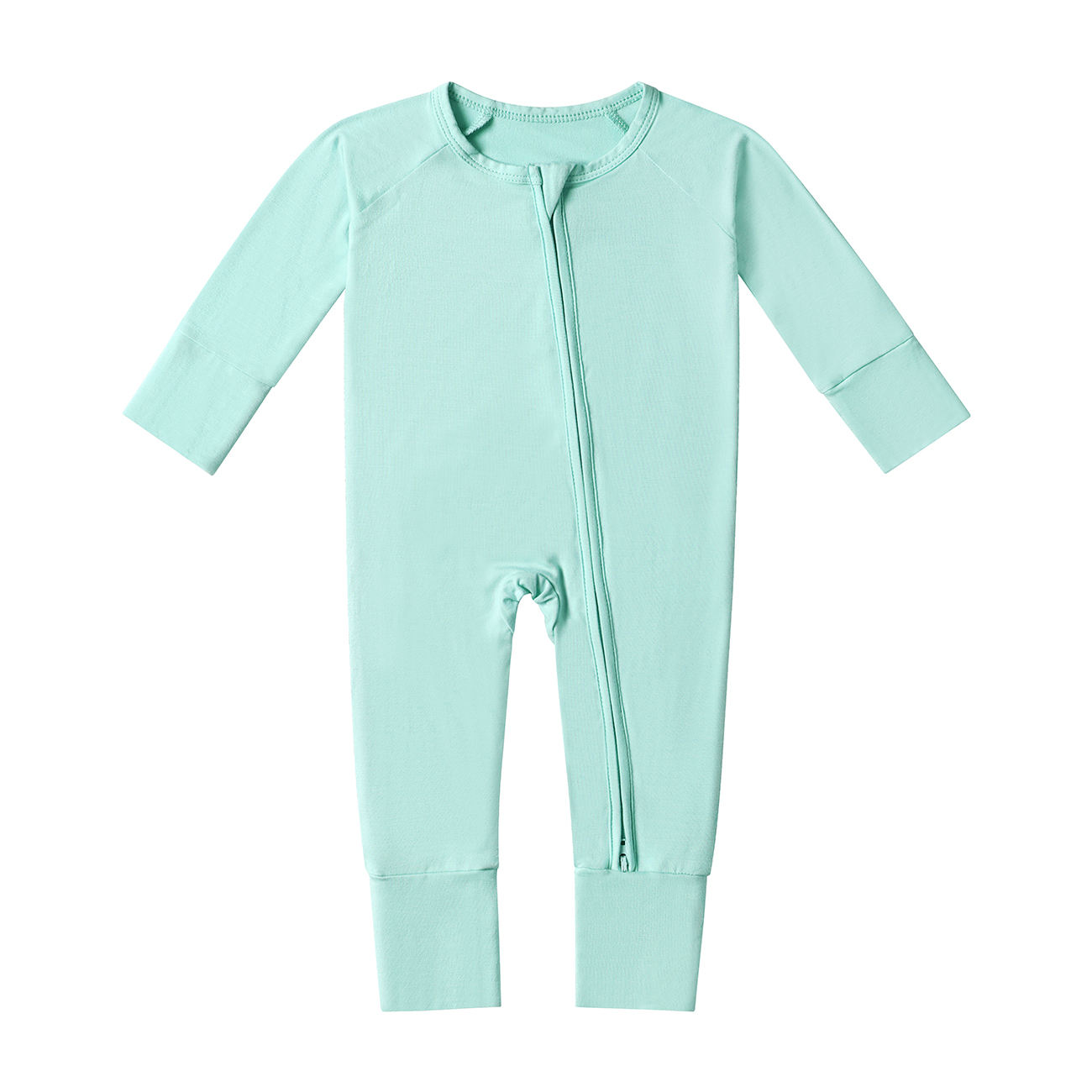
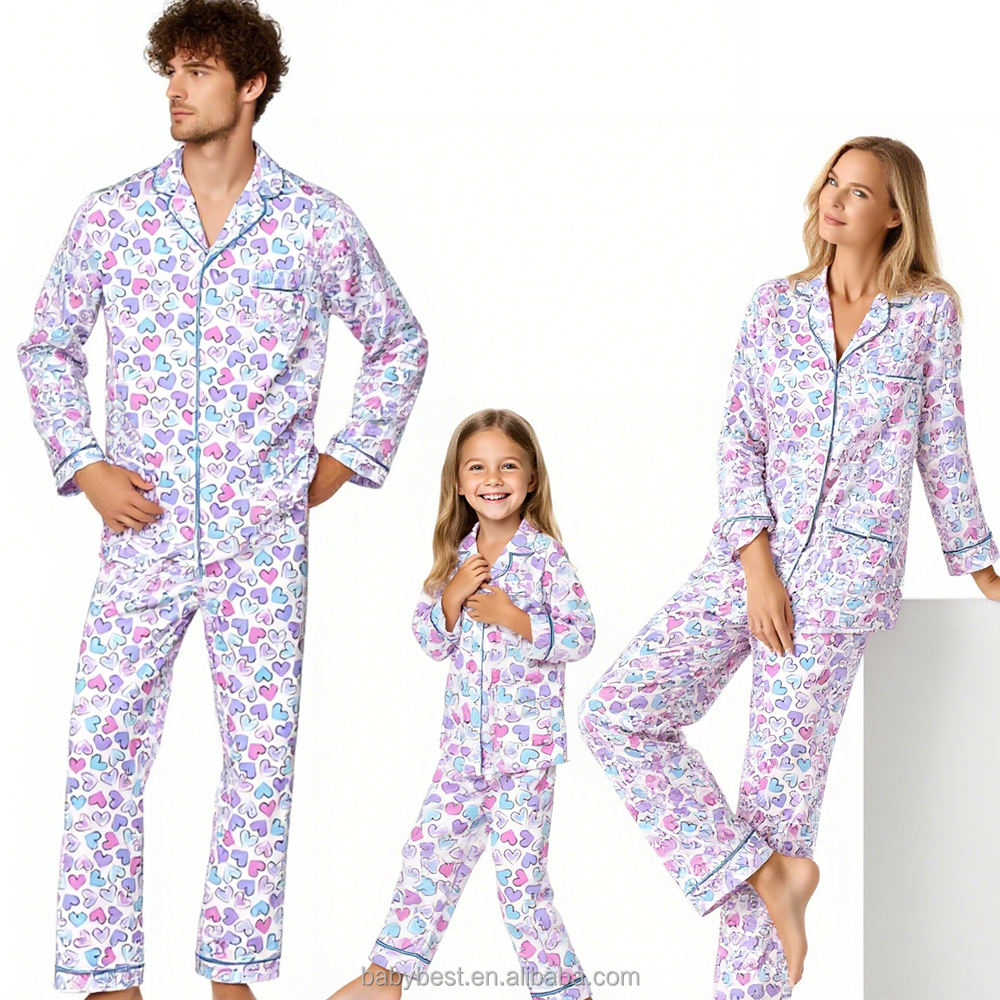
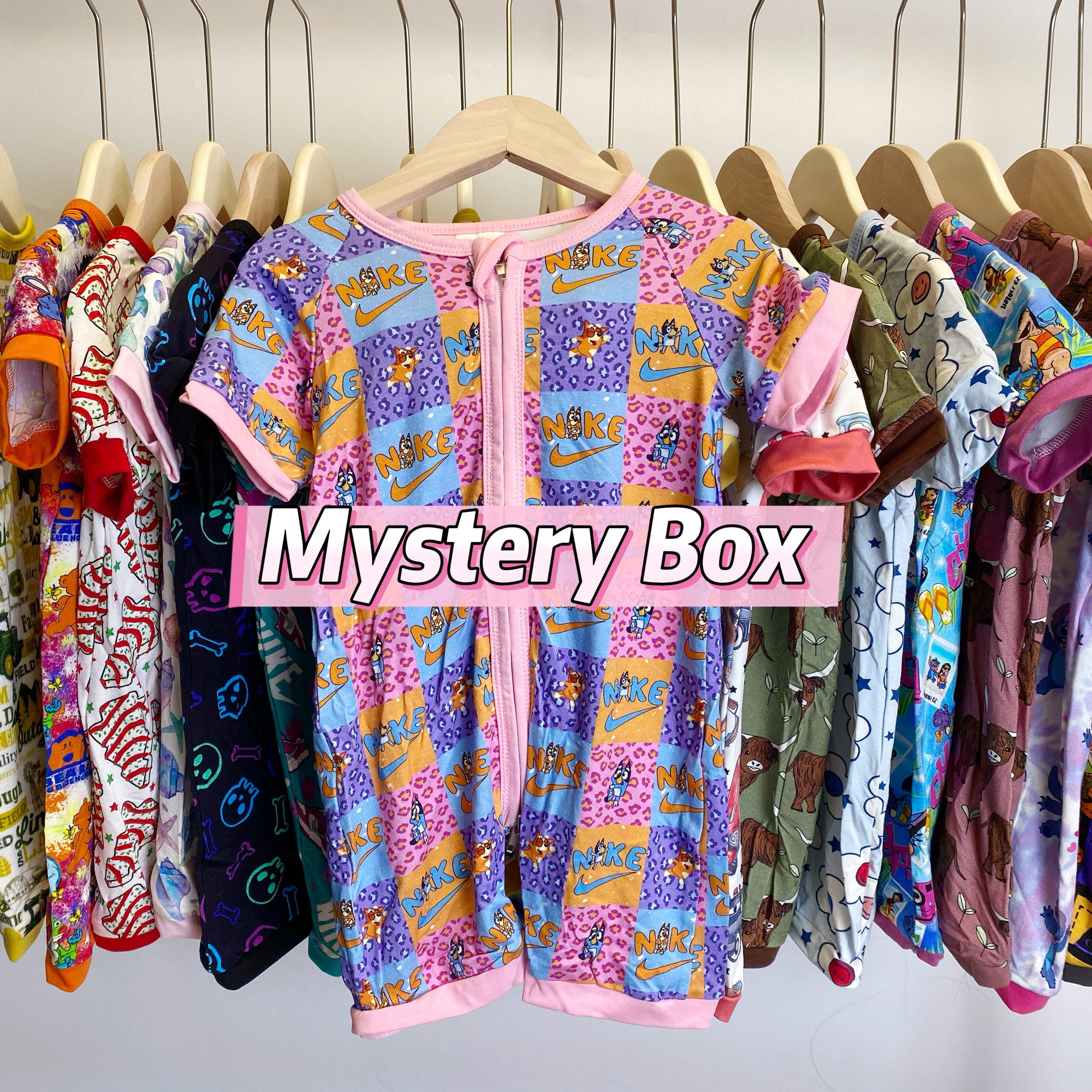
Astm F963 Baby Onesie Bulk Oem Manufacturer
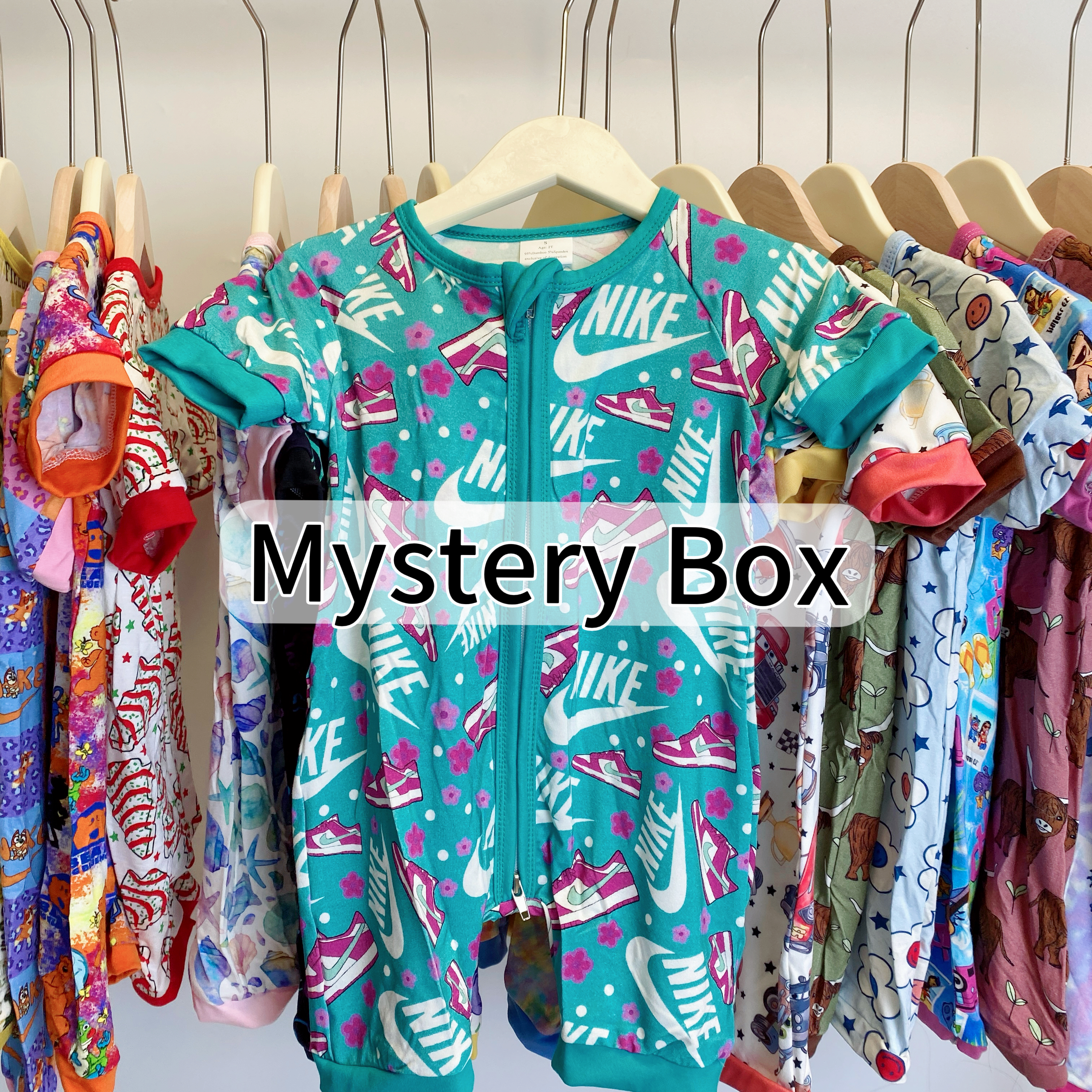
Ensuring Quality and Durability in Baby Onesie Bulk Production
In the world of baby apparel manufacturing, achieving precision and durability in baby onesie bulk production is paramount. These tiny garments must not only provide comfort to infants but also withstand the rigors of daily use and frequent washing. This article delves into the technical aspects of ensuring that bulk production of baby onesies meets high standards of sewing precision and structural integrity.
The Importance of Sewing Precision
Sewing precision is integral to the quality of baby onesies. This begins with the accuracy of fabric cutting, which sets the foundation for the entire garment.
- Fabric Cutting and Pattern Alignment: Ensuring pattern alignment and precise fabric cutting is essential. Automated cutting machines equipped with high-precision software can enhance accuracy, reducing fabric waste and ensuring that each garment meets the exact specifications.
- Stitching Techniques: The choice of stitches plays a significant role in garment durability and comfort. Serger stitches, with their ability to prevent fraying, are ideal for baby onesies. Additionally, flat seams offer comfort to sensitive skin, an essential factor for infant wear.
- Thread Quality: The choice of thread should be carefully considered. High-strength, yet soft threads are preferred to ensure strong seams without compromising comfort.
Structural Durability: Building to Last
Baby onesies must endure frequent laundering and stretching. Thus, structural durability is crucial to maintain their form and function over time.
- Reinforced Seams: By employing techniques like bar tacking at stress points, the onesie can withstand the stress of use without tearing.
- Material Selection: Choosing fabrics with higher tensile strength and elasticity, such as bamboo or cotton blends, ensures longevity. These materials not only resist wear but also provide breathability and safety for the baby.
- Quality Control: Implementing rigorous quality control measures, such as rotational pull tests and multi-cycle wash simulations, can help identify potential weak points before garments hit the market.
Efficient Bulk Production Strategies
Maximizing efficiency without compromising quality is the cornerstone of successful bulk production. Techniques and strategies must be aligned to achieve these goals.
- Lean Manufacturing: Adopting lean manufacturing principles helps reduce waste, lower costs, and improve productivity. Techniques such as Just-In-Time inventory prevent overproduction and minimize storage challenges.
- Automation and Technology: Automated machinery that can perform rapid sewing with high precision contributes to consistency across bulk batches. Computer-aided design (CAD) systems are vital for accurate prototyping and pattern scaling.
- Sustainability Practices: As manufacturers shift towards eco-friendly practices, integrating sustainable materials and green energy solutions can enhance both the image and efficiency of production facilities.
Collaborative Improvement: Partnering for Success
Collaborative engagements between suppliers, manufacturers, and retailers are essential to achieving high-quality bulk production that meets market demands.
- Supplier Relationships: Establishing strong relationships with suppliers can improve material quality and delivery consistency. Joint ventures or strategic partnerships may foster innovation and access to premium fabrics and threads.
- Feedback Mechanisms: Implementing feedback loops with retailers allows manufacturers to quickly adapt to consumer preferences and identify potential areas for product improvement.
- Training and Development: Continuous staff training on the latest sewing technologies and techniques ensures the workforce is skilled, efficient, and adaptable to changing manufacturing needs.
, producing baby onesies at scale necessitates a keen attention to sewing precision and structural durability. Through a harmonious combination of cutting-edge technology, innovative practices, and collaborative efforts, manufacturers can confidently deliver bulk orders that meet the high demands of the baby apparel industry. By prioritizing these technical aspects, brands not only enhance their reputation but also ensure customer satisfaction through reliable and comfortable products.
| Fabric Type | Organic Bamboo |
| Compliance | OEKO-TEX 100 |
| Customization | OEM |
| Lead Time | 38 Days |