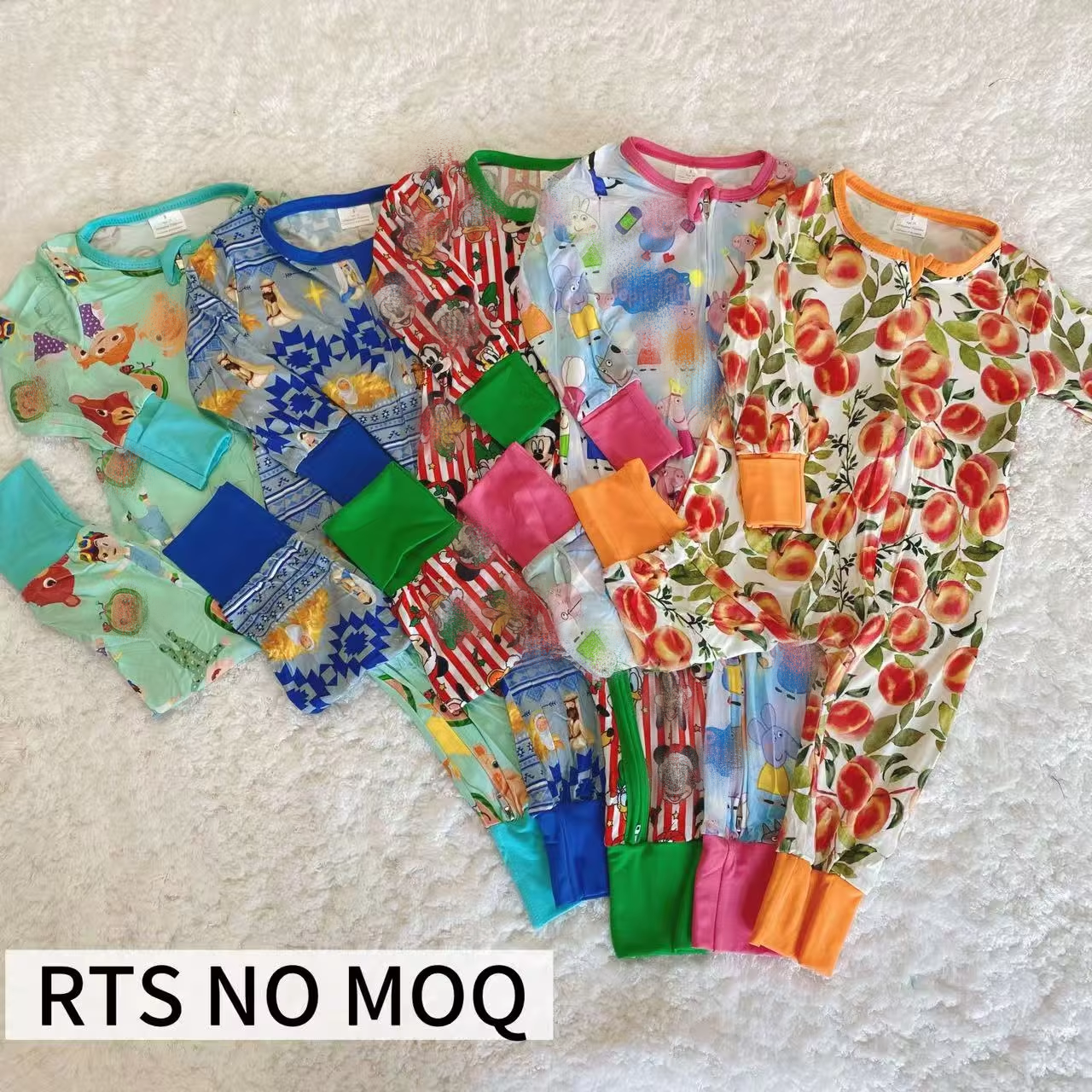
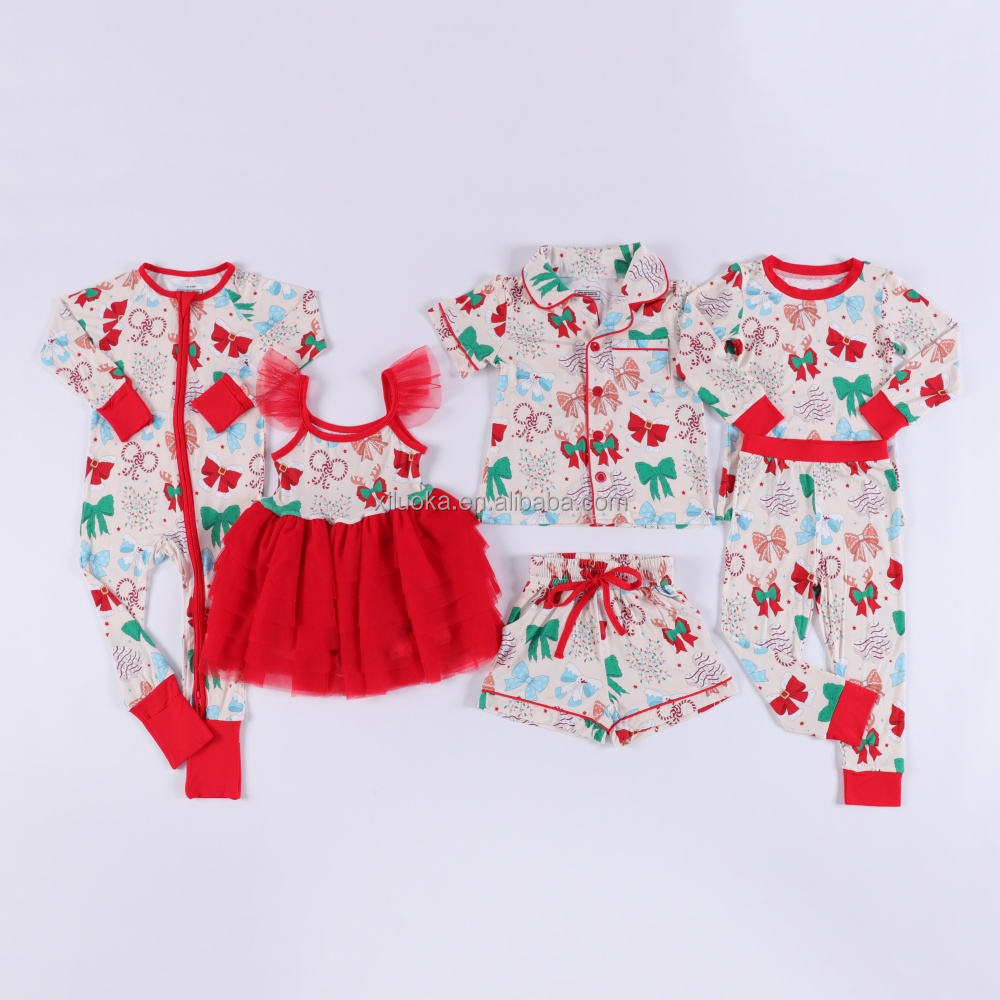
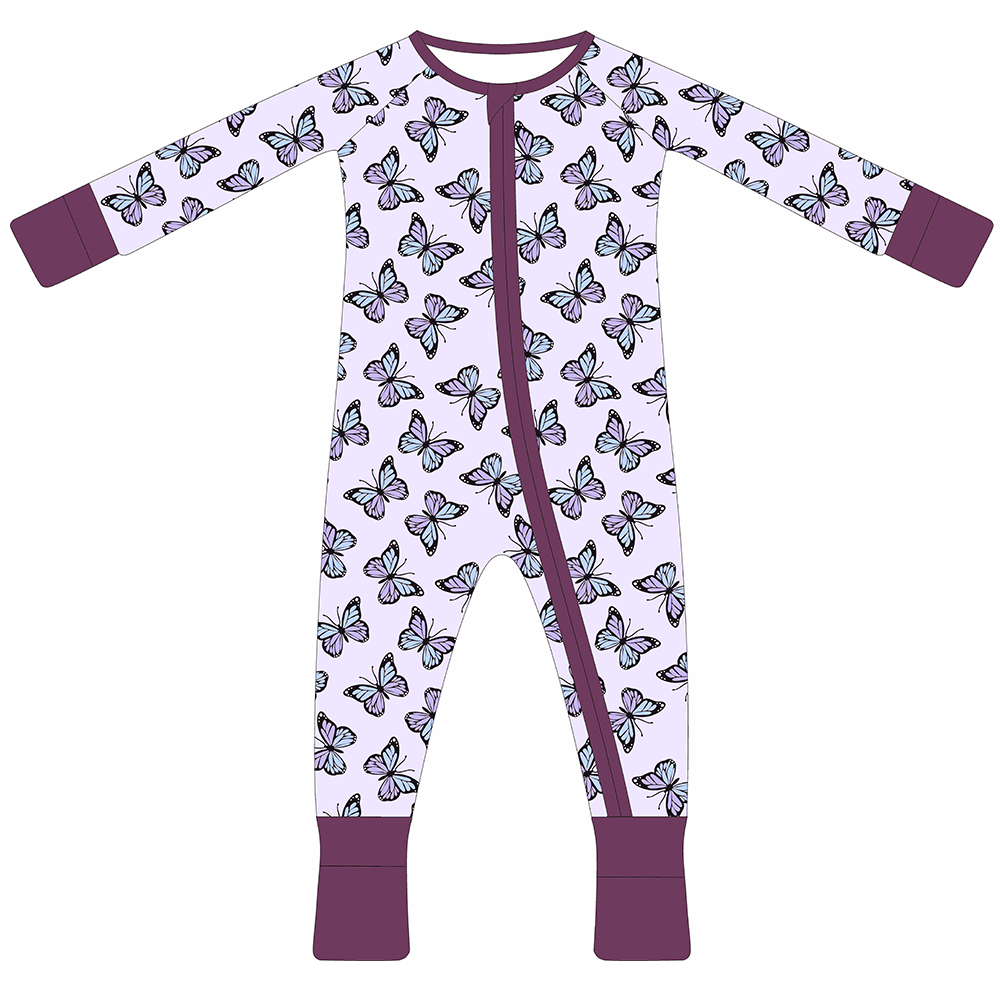
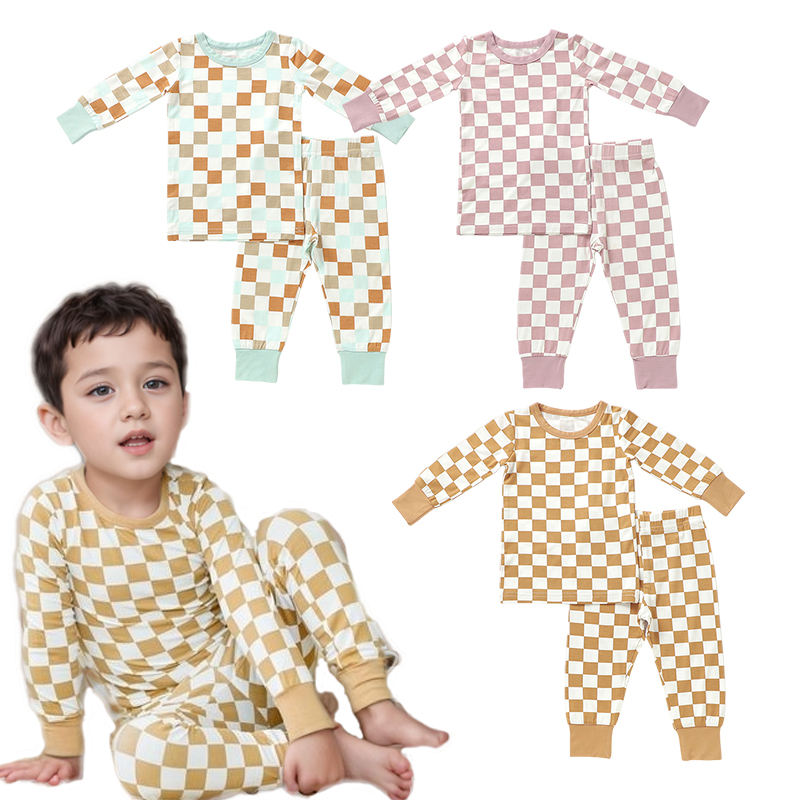
Bespoke Bamboo Baby Clothing Manufacturer Cpsia Compliant Manufacturer
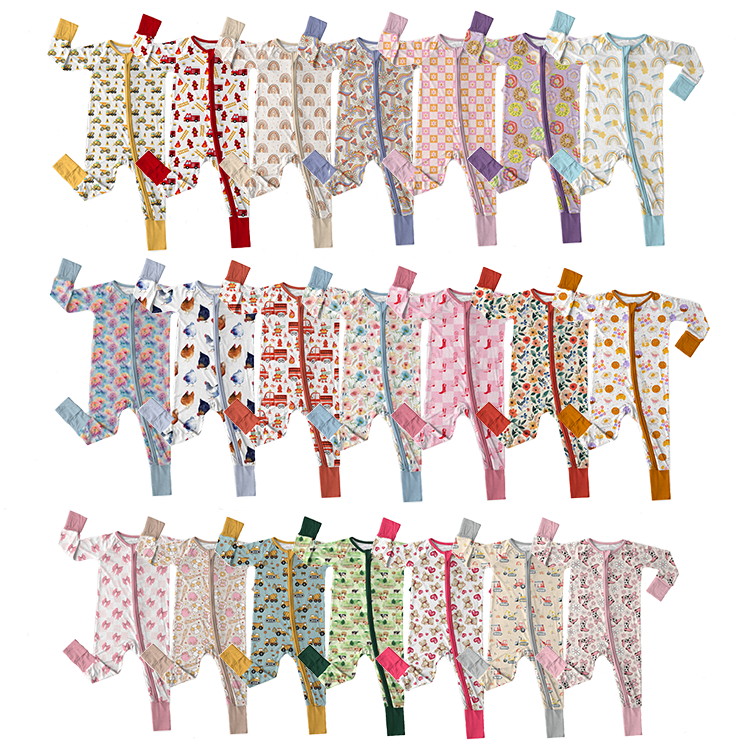
Bamboo Baby Clothing Manufacturer: Advancing Precision and Structural Durability
In the ever-evolving textile industry, the demand for sustainable and resilient materials has steered manufacturers towards innovative solutions. Bamboo stands out as a superior choice for baby clothing due to its impressive ecological footprint and inherent softness. This article delves into how manufacturers specialize in precision sewing and structural durability to produce high-quality bamboo baby attire.

Understanding Bamboo Fabric: A Sustainable Choice
Bamboo fabric is derived from the pulp of bamboo grass, renowned for its rapid growth and minimal need for pesticides. For baby clothes, it offers unparalleled softness, breathability, and hypoallergenic properties. These characteristics make it a preferred choice for sensitive infant skin.
Precision in Sewing: Crafting Perfect Baby Attire
The process of manufacturing bamboo baby clothing demands exceptional precision in sewing. This aspect is critical not only for aesthetic appeal but also for the functionality required by dynamic infant movements. Key techniques used by manufacturers include:
Exact Seam Placement
Proper seam placement is essential to ensure comfort and fit. Manufacturers utilize advanced sewing machines that allow for precision stitching, minimizing fabric wastage and enhancing efficiency. Attention to seam strength is paramount, with zigzag or overlock stitches frequently deployed to prevent unraveling.
Consistent Stitch Density
Consistency in stitch density ensures the garment's durability and fabric integrity. Using automated machines, manufacturers can meticulously control the number of stitches per inch, ensuring neither too loose nor too tight tension. This precision contributes to both the garment's lifespan and safety.
Structural Durability: Building Resilient Baby Clothing
For bamboo baby clothing, structural durability is vital to withstand repeated wear and washing. Manufacturers focus on integrating robust construction techniques without sacrificing softness or comfort. Here's how they achieve this:
Reinforced Stress Points
To enhance garment durability, reinforcement of stress points such as shoulders, snaps, and cuffs is essential. Manufacturers use techniques like double stitching or bartacks at these strategic locations. This prevents premature wear and tear, especially in high-movement areas.
Durable Fastenings
In garments for infants, fastenings need to be both secure and gentle. Snaps, zippers, and buttons are carefully selected and tested for durability. Snaps are often preferred for their safety and ease of use. Manufacturers ensure that all fastenings comply with stringent safety standards to prevent hazards.
Quality Control: Beyond Industry Standards
Maintaining high quality in bamboo baby clothing demands rigorous quality control measures. This ensures that each piece not only meets but exceeds industry standards. Processes entail:
Regular Fabric Testing
Before production, bamboo fabric undergoes extensive testing for factors such as tensile strength, shrinkage, pilling, and colorfastness. These tests ensure the fabric's performance under various conditions, predicting longevity and safety for baby use.
Seam and Stitch Inspection
Post-production, thorough inspections are conducted to check seam alignment and stitching accuracy. Manufacturers employ skilled technicians who perform both visual and manual tests to ensure consistency and integrity. Random sampling and batch testing further enforce quality.
Innovation in Sewing Technology
Technological advancements have significantly influenced the production of bamboo baby clothing, particularly in sewing. Innovations include:
Automated Sewing Machines
Automated machines with computerized control systems enhance precision in sewing. These tools allow customization of stitch types and densities, ensuring uniformity and precision across large production runs. Such innovations reduce human error, leading to improved quality and reduced production times.
3D Knitting Technology
Embracing 3D knitting technology allows manufacturers to create seamless garments, which maximizes comfort and minimizes irritation. This technology adjusts the knitting pattern for stretchability and fit, adapting to an infant's movements while maintaining garment integrity.
| Fabric Type | Pima Cotton |
| Compliance | OEKO-TEX 100 |
| Customization | Bespoke |
| Lead Time | 30 Days |

Sustainability Initiatives: Leading by Example
Bamboo baby clothing manufacturers often spearhead sustainability initiatives, reinforcing their commitment to eco-friendly practices. These efforts include:
Eco-friendly Production Processes
Manufacturers strive to minimize environmental impact by adopting closed-loop systems where possible. This minimally invasive approach reduces water and energy consumption, and by extension, the carbon footprint of production. Emphasis is placed on non-toxic dyes and sustainable packaging solutions.
Supply Chain Transparency
By prioritizing transparency, manufacturers build trust with consumers and partners alike. Tracing the origin of bamboo to its transformation into fabric provides assurance regarding ethical harvesting practices and fair labor conditions. Manufacturers who champion supply chain transparency continue to cultivate credibility within the market.
, the intricate process of manufacturing bamboo baby clothing requires a meticulous approach that combines precision, durability, and sustainability. Through embracing cutting-edge sewing technologies and stringent quality controls, manufacturers deliver baby garments that stand the test of time, meeting the high standards demanded by discerning B2B partners and parents alike. By leading with innovation and responsibility, the bamboo baby clothing sector not only satisfies customer demands but also champions environmental stewardship.