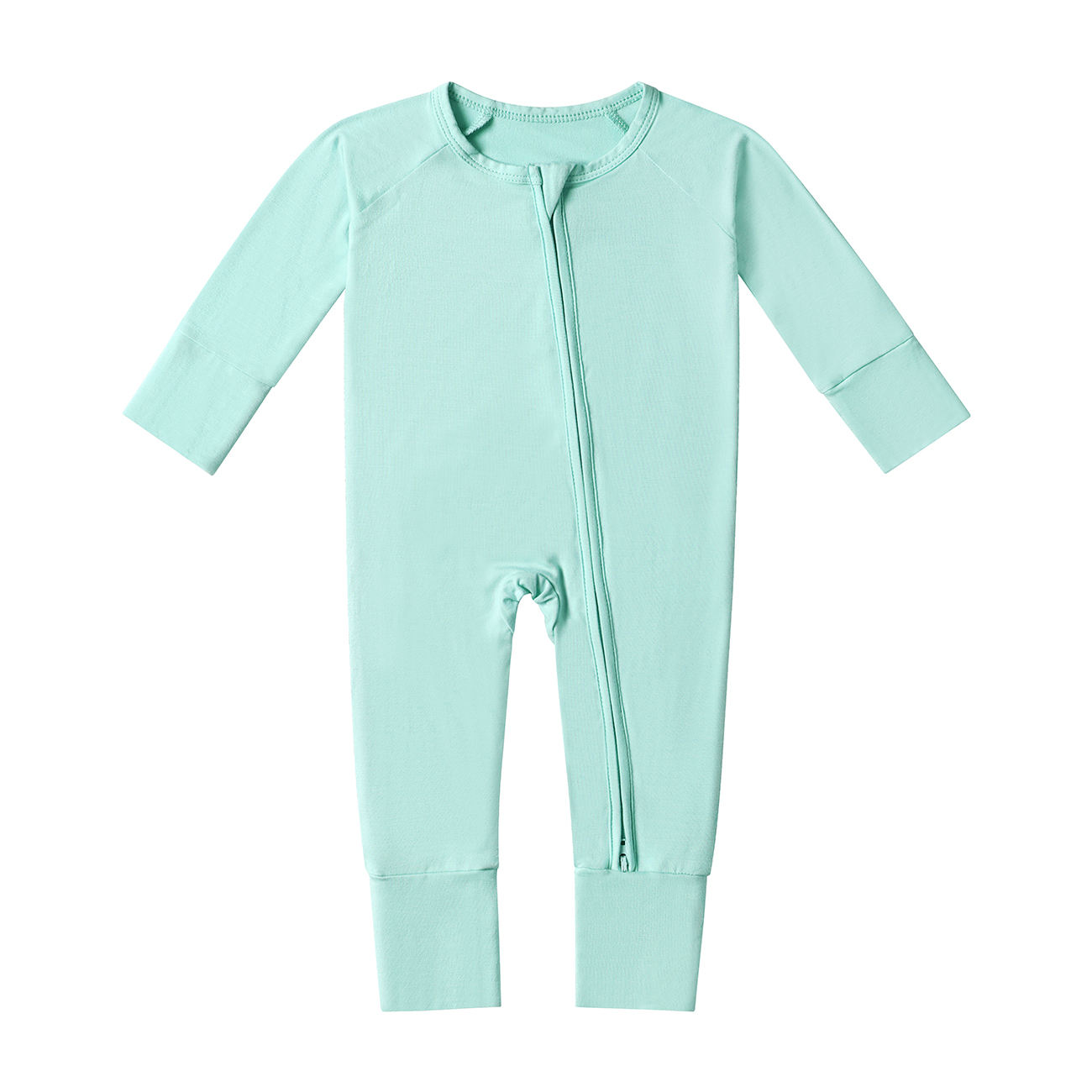
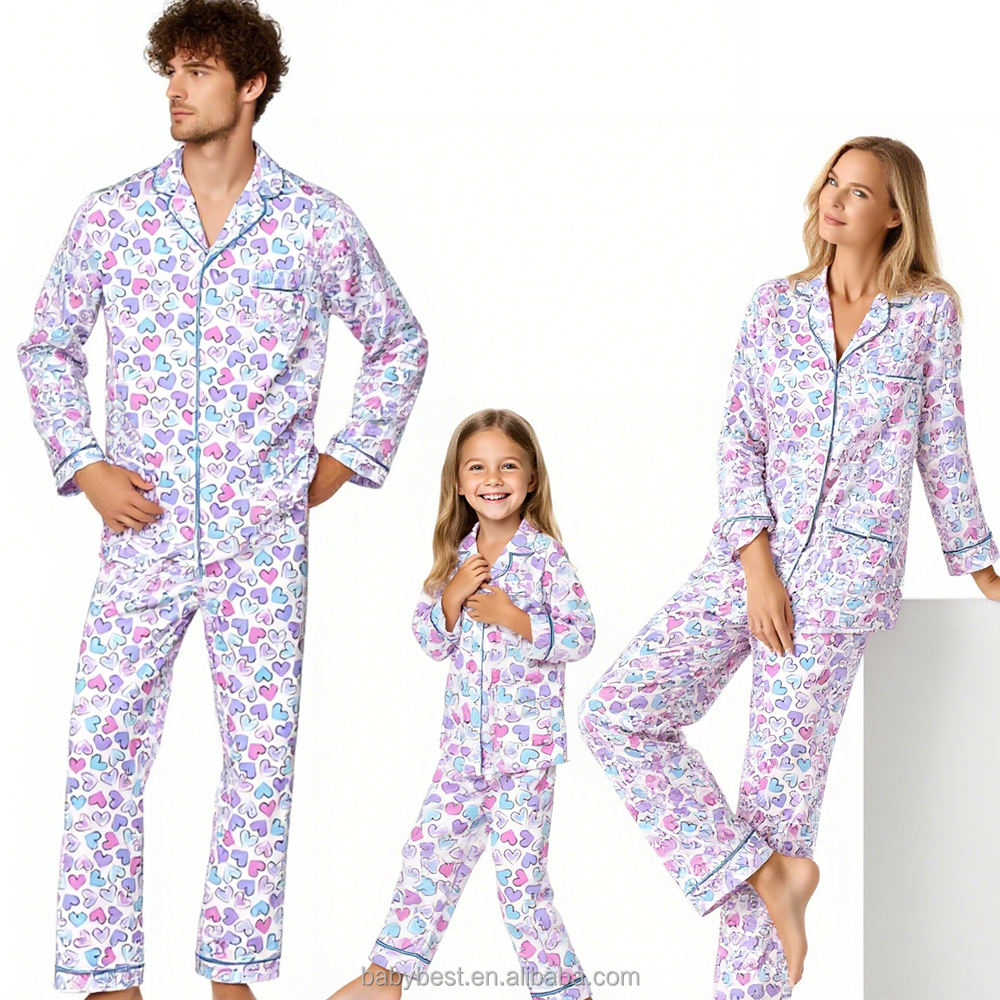
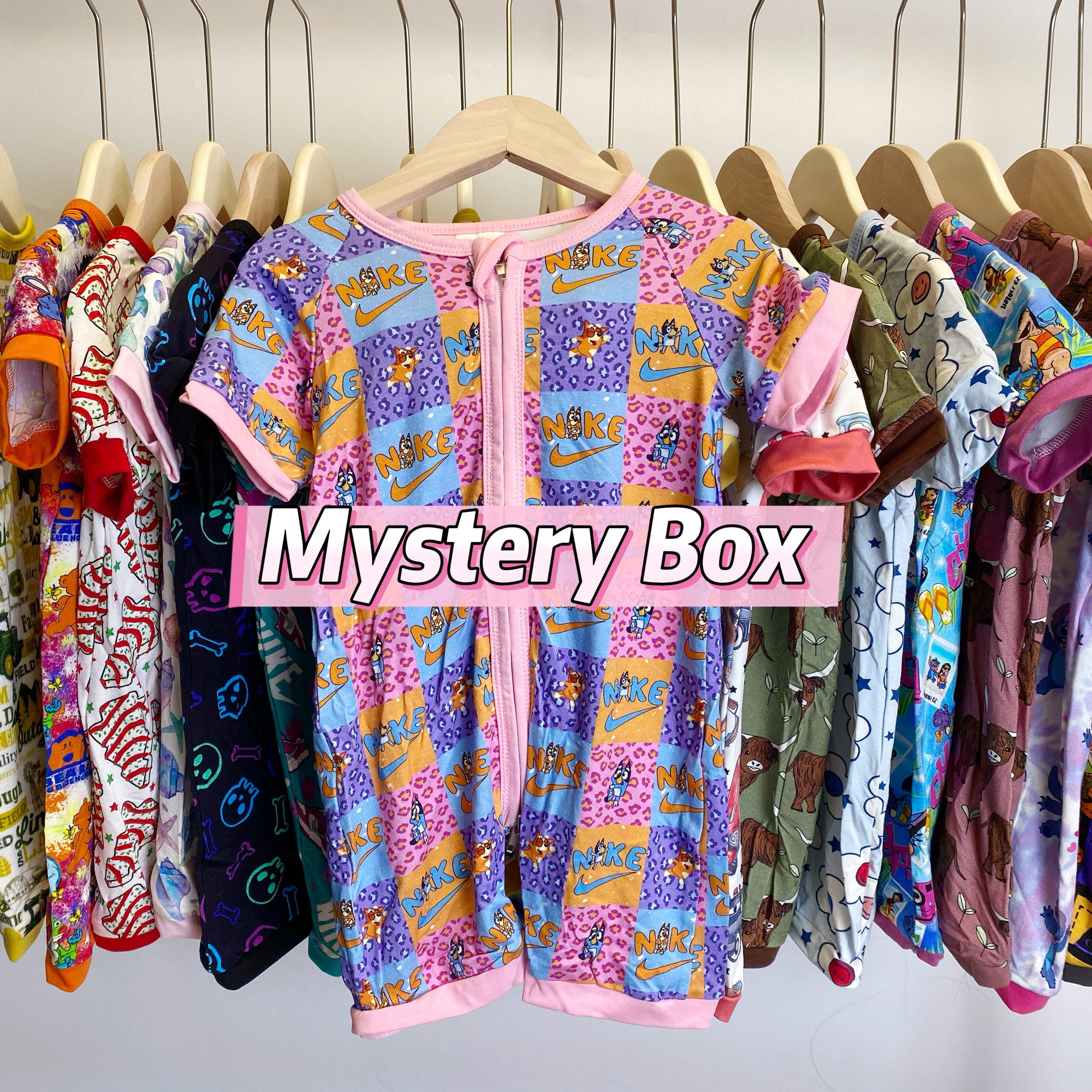
Bespoke Blank Baby Clothes Cpc Certified Factory
Enhancing Quality in Blank Baby Clothes Manufacturing
In the dynamic world of textile manufacturing, producing blank baby clothes demands a high level of precision and commitment to structural durability. These garments serve as the canvas for personalized designs, making their foundational quality essential. The integration of precision sewing techniques and durability-focused construction ensures longevity and customer satisfaction. This article delves into the technical aspects that underscore the production excellence of blank baby apparel.
The Importance of Precision Sewing
Sewing precision is paramount when it comes to baby clothing, not just for aesthetic quality but for ensuring safety and comfort. Tight and accurate stitching prevents any possibility of unraveling, which could lead to garment failures. Precision sewing reinforces seams, ensuring that each piece withstands the gentle yet constant pressure exerted by active infants.
Techniques for Achieving Structural Durability
The durability of baby clothes is critical for resisting wear and tear over time. Structural integrity begins with selection, followed by appropriate construction techniques:
High-Quality Fabric Selection
Durable clothing starts with high-quality fabrics. For baby clothes, fabric selection should prioritize cotton blends that offer breathability while ensuring robust construction. Cotton’s natural resilience, along with its hypoallergenic properties, makes it an ideal choice for sensitive infant skin.
Stitch Type Consideration
Various stitch types can enhance the durability of garments. Interlocking stitches are particularly effective for baby clothes as they provide strength needed to withstand frequent laundering. Double-stitched seams add extra reinforcement where stress is highest, such as at the armholes and crotch area.
Seam Reinforcement Techniques
Seam reinforcement is key for maintaining garment structure. Techniques such as serging reinforce seams and provide neat edges that resist fraying. Blind hemming offers another option, discreetly anchoring hems without visible stitching lines, thus enhancing both durability and garment aesthetics.
Implementing Quality Control Measures
Quality control is crucial at every stage of production to ensure garment consistency and customer satisfaction:
Regular Fabric Inspection
Fabric inspection involves checking for inconsistencies in weave and texture. This preemptive measure helps identify potential weaknesses in the material that could compromise garment durability.
Stitch Stress Testing
Stitch stress testing simulates wear conditions to ensure seam resilience. Testing machines apply tension to seams, assessing their capacity to handle strain without breaking.
Endurance Laundering Trials
Frequent wash trials gauge how well garments hold under repetitive laundering. This includes observing stitch retention and fabric integrity, ensuring they meet industry standards for durability.
Embracing Sustainable Production Practices
Sustainability in garment manufacturing, particularly for baby clothes, speaks to both economic and environmental responsibility:
Eco-Friendly Material Utilization
Using organic and sustainable materials benefits both the environment and consumer trust. Organic cotton, bamboo fibers, and recycled materials offer eco-friendly alternatives that maintain durability.
Minimizing Waste via Efficient Layouts
Cutting layouts that optimize fabric use can significantly reduce waste. Techniques like computerized cutting ensure precise dimensions and minimize leftover material.
Energy-Efficient Manufacturing Processes
Adopting energy-efficient manufacturing processes, such as using machinery with lower power consumption, supports environmentally sustainable operations. Additionally, techniques like dyeing in colder water cut energy use while still guaranteeing color fastness.
The manufacturing of blank baby clothes integrates precision and durability to deliver high-quality products that customers trust. By focusing on sewing precision and structural integrity, technical excellence is achieved, offering garments that are both resilient and comfortable. Embracing sustainable practices further elevates manufacturing standards, positioning businesses as industry leaders committed to quality and ecological responsibility. These efforts ensure that blank baby clothes not only meet customer expectations but also contribute positively to the global textile industry narrative.
| Fabric Type | Organic Bamboo |
| Compliance | GOTS Organic |
| Customization | Private Label |
| Lead Time | 37 Days |