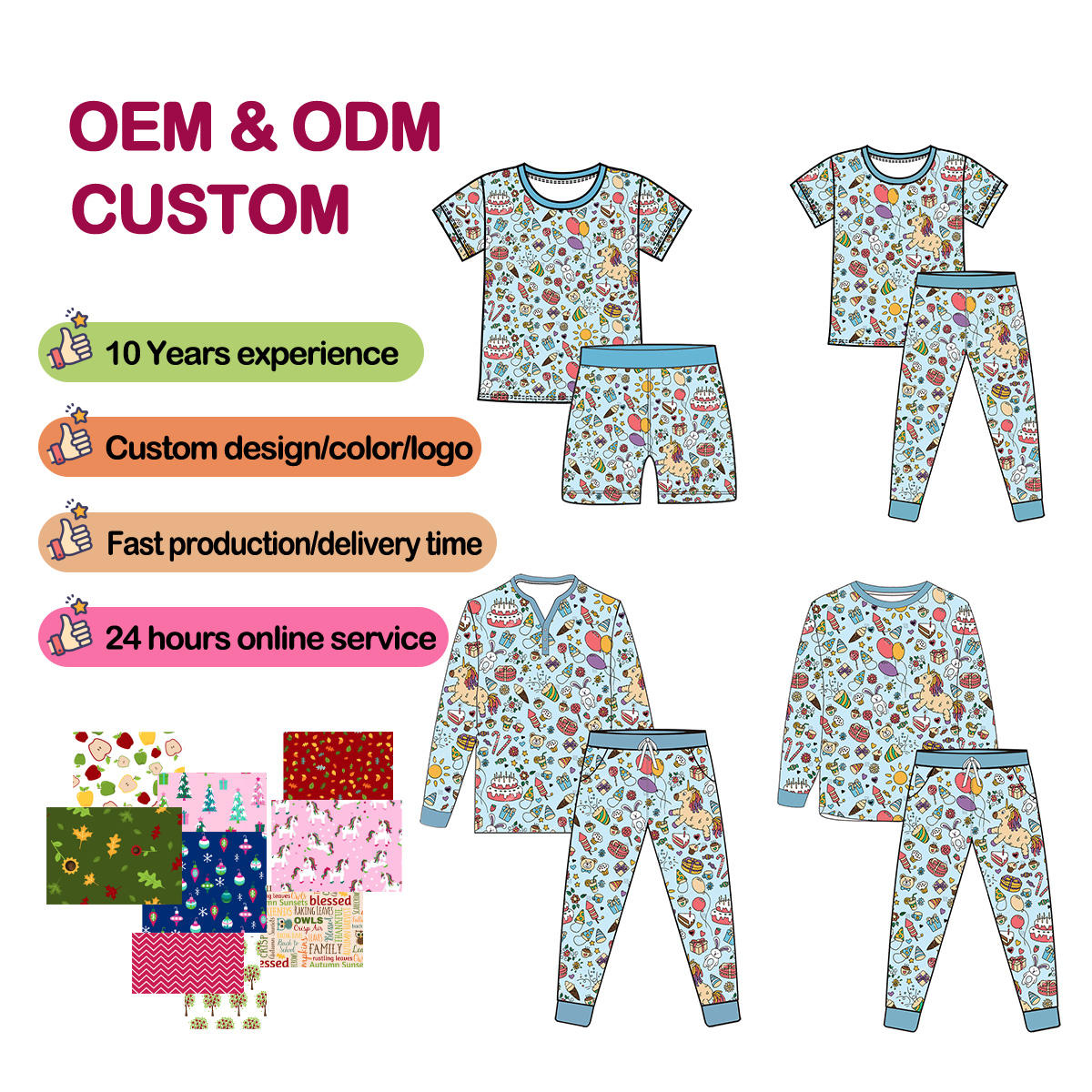
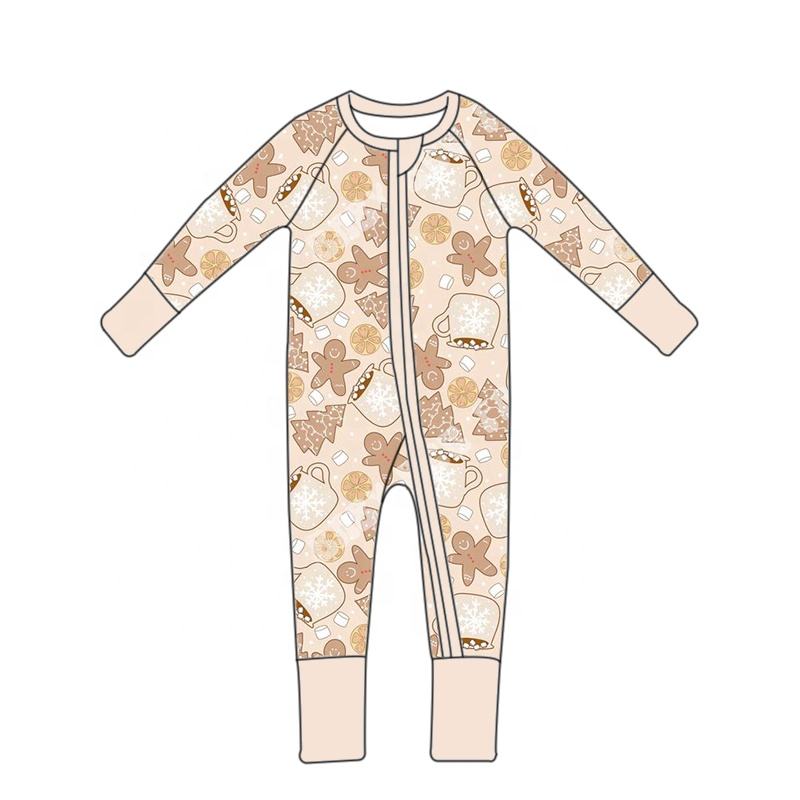
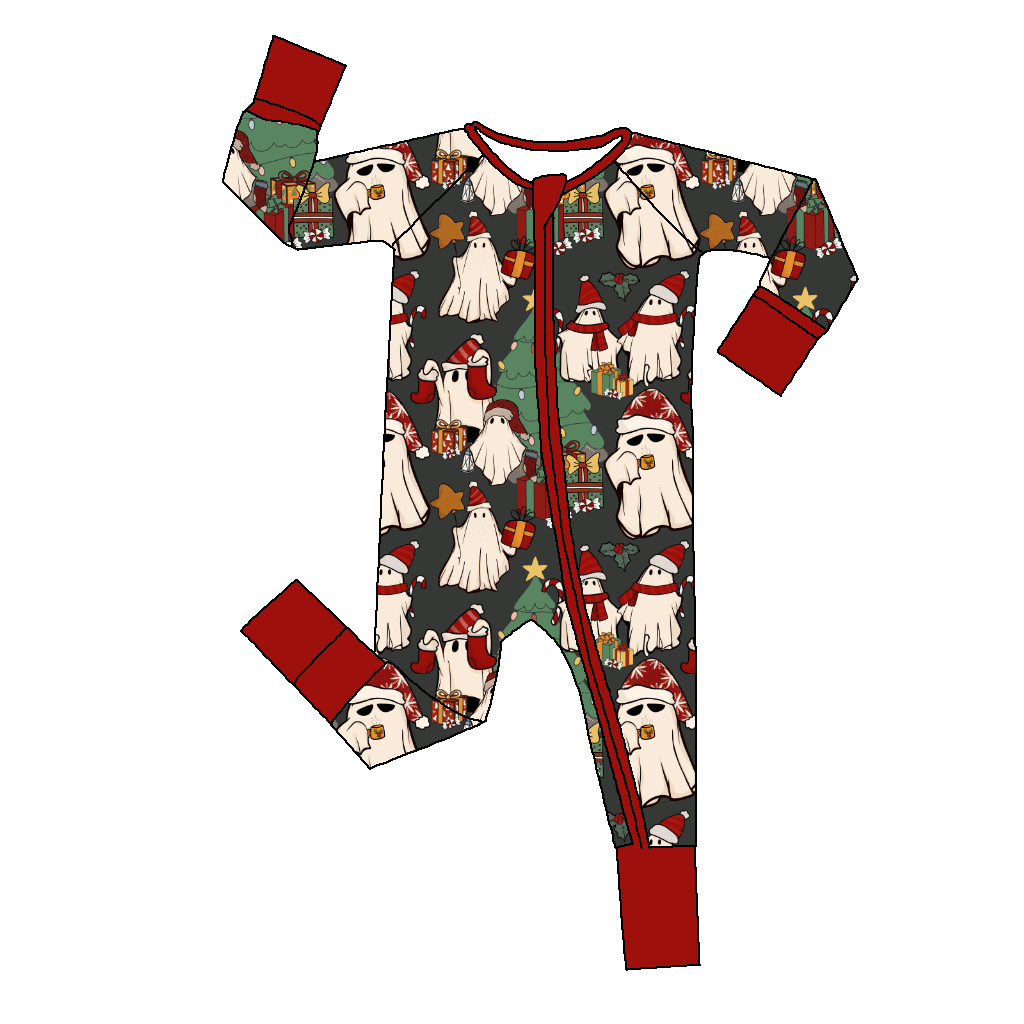
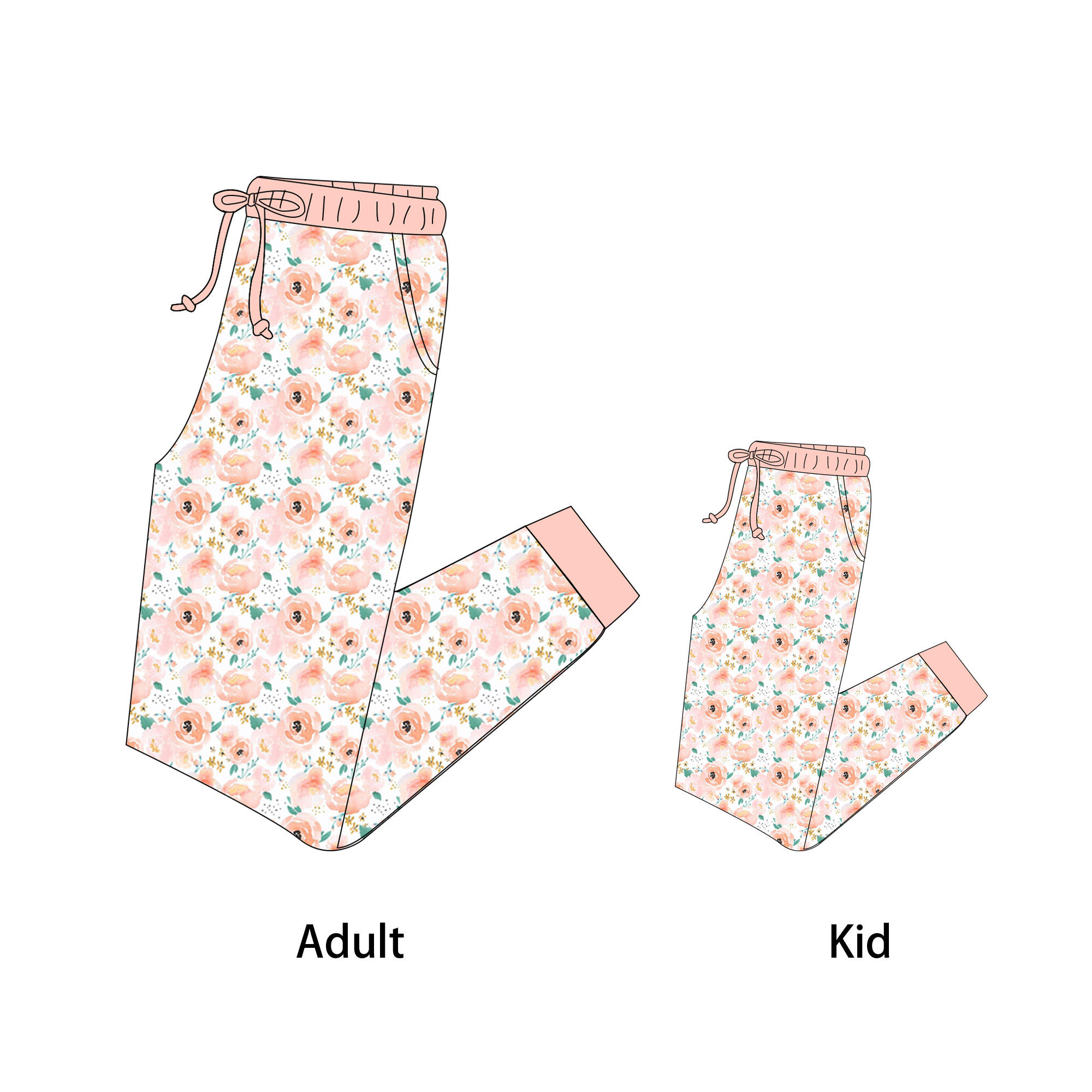
Bespoke Childrens Clothing Manufacturers Cpc Certified Exporter
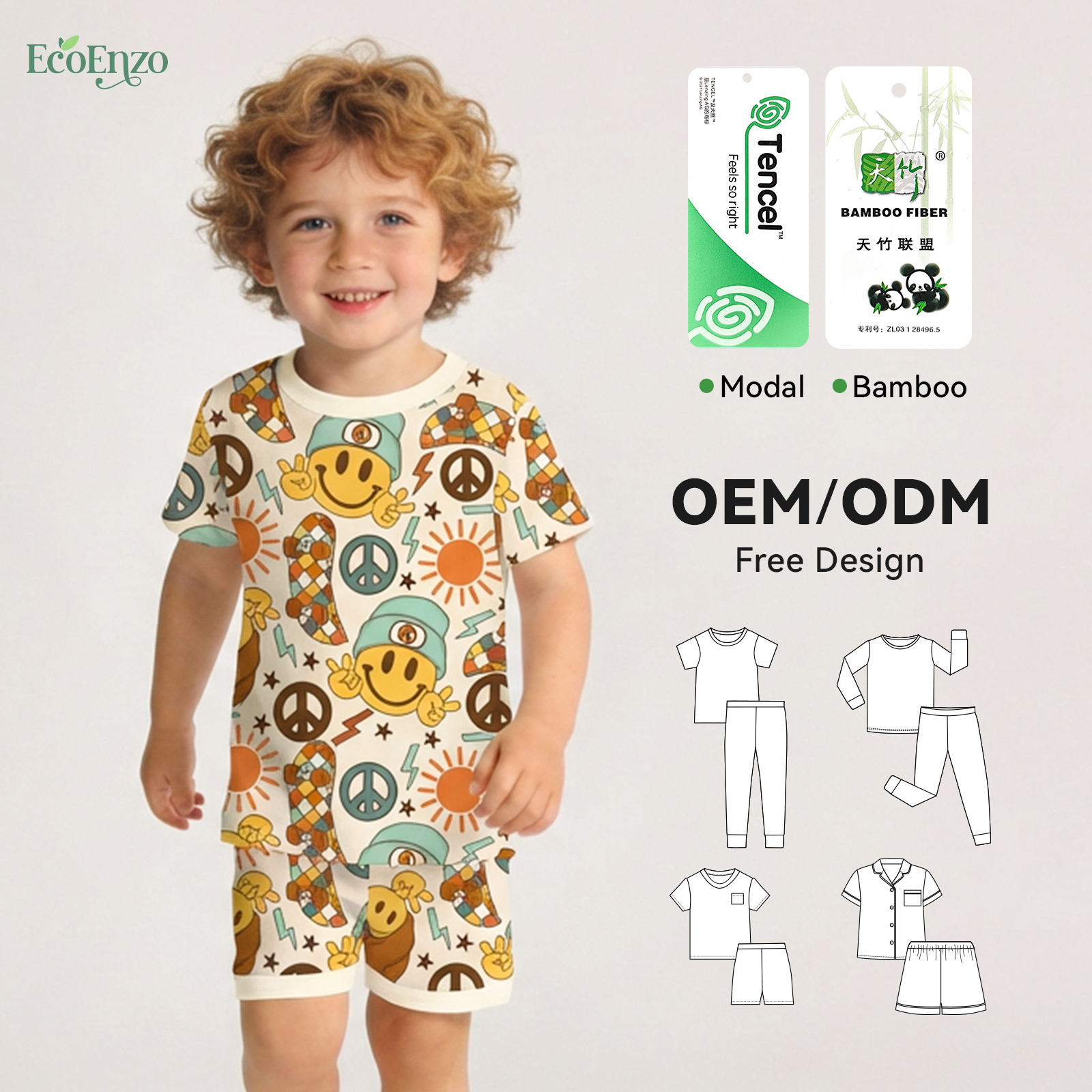
Ensuring Precision and Durability in Children's Clothing Manufacturing
The manufacturing of children's clothing is a delicate balance of creativity, quality, and functionality. To excel in this industry, manufacturers must not only pay attention to design aesthetics but also prioritize sewing precision and structural durability. These elements are crucial in meeting the demands of both parents and retailers who seek garments that can withstand the rigors of children's active lifestyles while maintaining their shape and appearance.

The Importance of Sewing Precision
Sewing precision is essential in children's clothing to ensure comfort, safety, and attractiveness. Precise stitching contributes to the integrity of the garment, preventing seams from unraveling and maintaining durability. Manufacturers must utilize state-of-the-art sewing equipment and skilled personnel to achieve a high level of precision.
Industrial sewing machines with advanced features such as automatic thread trimming and programmable stitching patterns can significantly improve precision. These machines minimize human error and allow for consistent production of stitches, which is particularly important in intricate designs or when working with delicate fabrics commonly used in children's wear.
Training sewing technicians on the nuances of different fabrics and the appropriate tension settings is also critical. Different materials react differently under tension—what works for cotton might not be appropriate for synthetic blends. Regular workshops and skill enhancement programs ensure technicians can adapt quickly to new fabrics and designs.
Structural Durability: Key to Long-lasting Garments
When it comes to children's clothing, structural durability is non-negotiable. Parents expect garments to withstand multiple washes, wear and tear, and outdoor adventures without losing their form or function. Manufacturers need to adopt a multi-faceted approach to enhance durability, starting from fabric selection to stitching techniques.
Fabric Selection: Choosing the right fabric is the first step in ensuring garment durability. Cotton blends are popular due to their softness and breathability, but adding synthetic fibers such as polyester can enhance strength and longevity. Organic options offer sustainability alongside durability, which is increasingly important to environmentally conscious consumers.

Reinforced Stitching: Reinforced stitching in high-stress areas such as knees, elbows, and hems can prevent wear and tear. Double stitching techniques and bar-tacking are effective methods to provide additional support to heavily used areas.
Quality Control: Implementing a robust quality control process ensures that every piece meets durability standards. This includes stress testing for seams and fabric integrity, as well as wash tests to measure shrinkage or color fading.
Adapting to Industry Trends and Standards
The children's clothing industry is ever-evolving with trends influenced by both fashion and functional innovations. Manufacturers must remain agile, adapting their processes while maintaining precision and durability.
Recent trends include the rise of athleisure wear for children, which demands breathable, flexible, and durable fabrics. This shift requires manufacturers not only to invest in new fabric technologies but also to experiment with innovative stitching and construction techniques suited for performance wear.
, sustainability is shaping consumer preferences. Manufacturers are looking at eco-friendly fabrics such as organic cotton, bamboo, and recycled polyester, which not only reduce environmental impact but also often prove more durable than conventional options. Additionally, adopting sustainable practices like laser cutting or waterless dyeing can enhance manufacturing precision while aligning with eco-conscious standards.
Compliance with safety standards also remains a top priority. Different regions have specific regulations regarding children's clothing, such as fire retardancy, chemical safety, and drawstring guidelines. Manufacturers must ensure their processes align with these standards to avoid legal repercussions and maintain market trust.

Collaborative Partnerships for Continuous Improvement
To thrive in the competitive landscape of children's clothing manufacturing, fostering collaborative partnerships can be instrumental. Engaging with fabric suppliers, technology developers, and other stakeholders promotes a culture of innovation and refinement. These partnerships can lead to advancements like the development of new fabrics that blend durability with softness or sewing machines with enhanced precision capabilities.
| Fabric Type | Pima Cotton |
| Compliance | CPC Certified |
| Customization | Private Label |
| Lead Time | 23 Days |
, collaboration with retail partners and designers can improve understanding of consumer demands and market trends, ensuring products meet or exceed expectations. Feedback loops, where retailers provide consumer insights back to manufacturers, are invaluable for continuous improvement initiatives.
Investing in research and development also pays dividends by keeping manufacturers ahead of trends. This includes monitoring emerging technologies like 3D knitting or smart fabrics that offer new dimensions of precision and durability.
, excelling in children's clothing manufacturing requires a meticulous focus on sewing precision, structural durability, and adaptability to industry trends. By investing in advanced technology, skilled labor, sustainable practices, and collaborative partnerships, manufacturers can secure a competitive edge while delivering high-quality garments that delight young wearers and satisfy discerning parents.