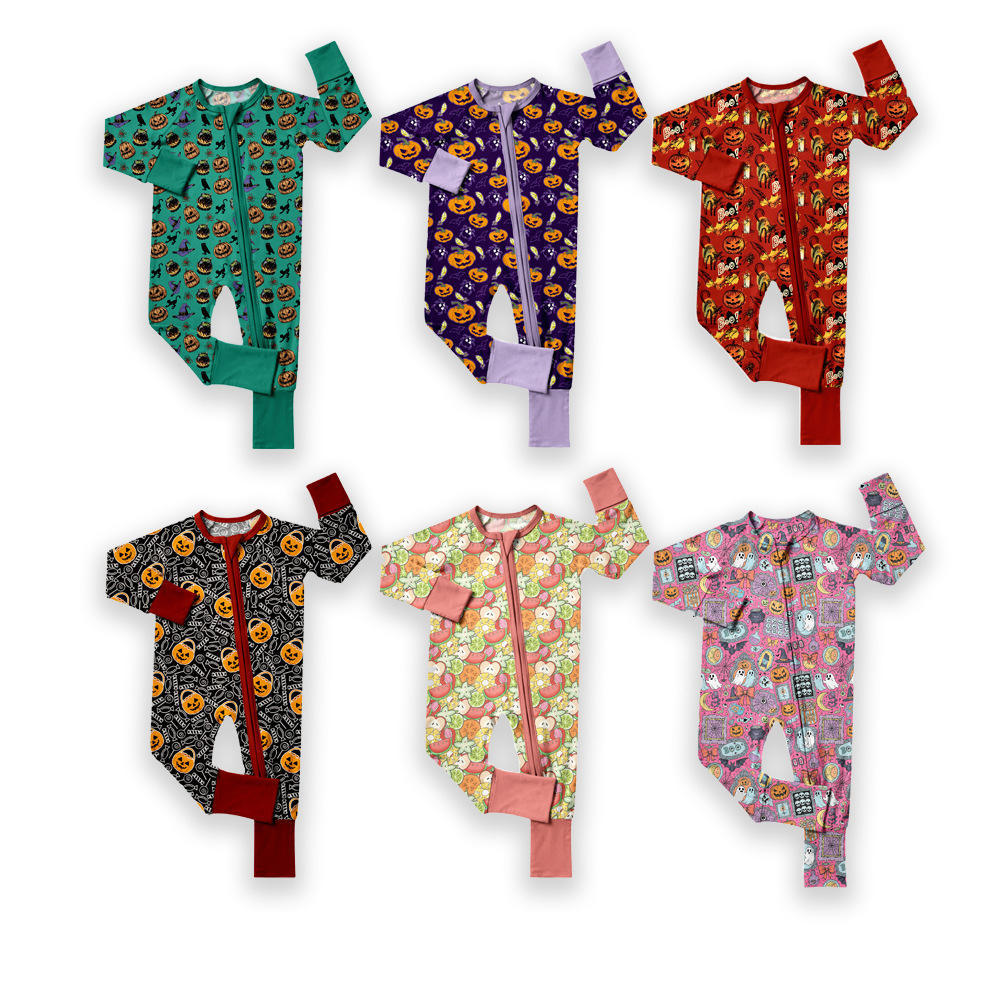
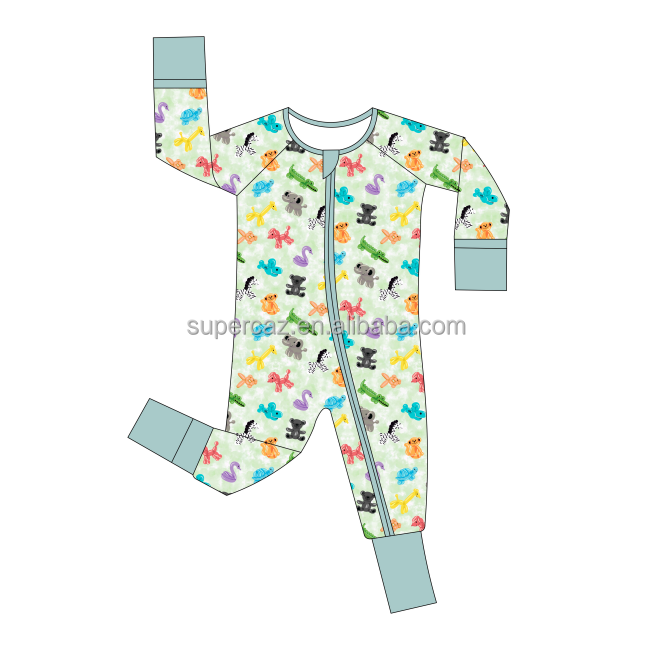
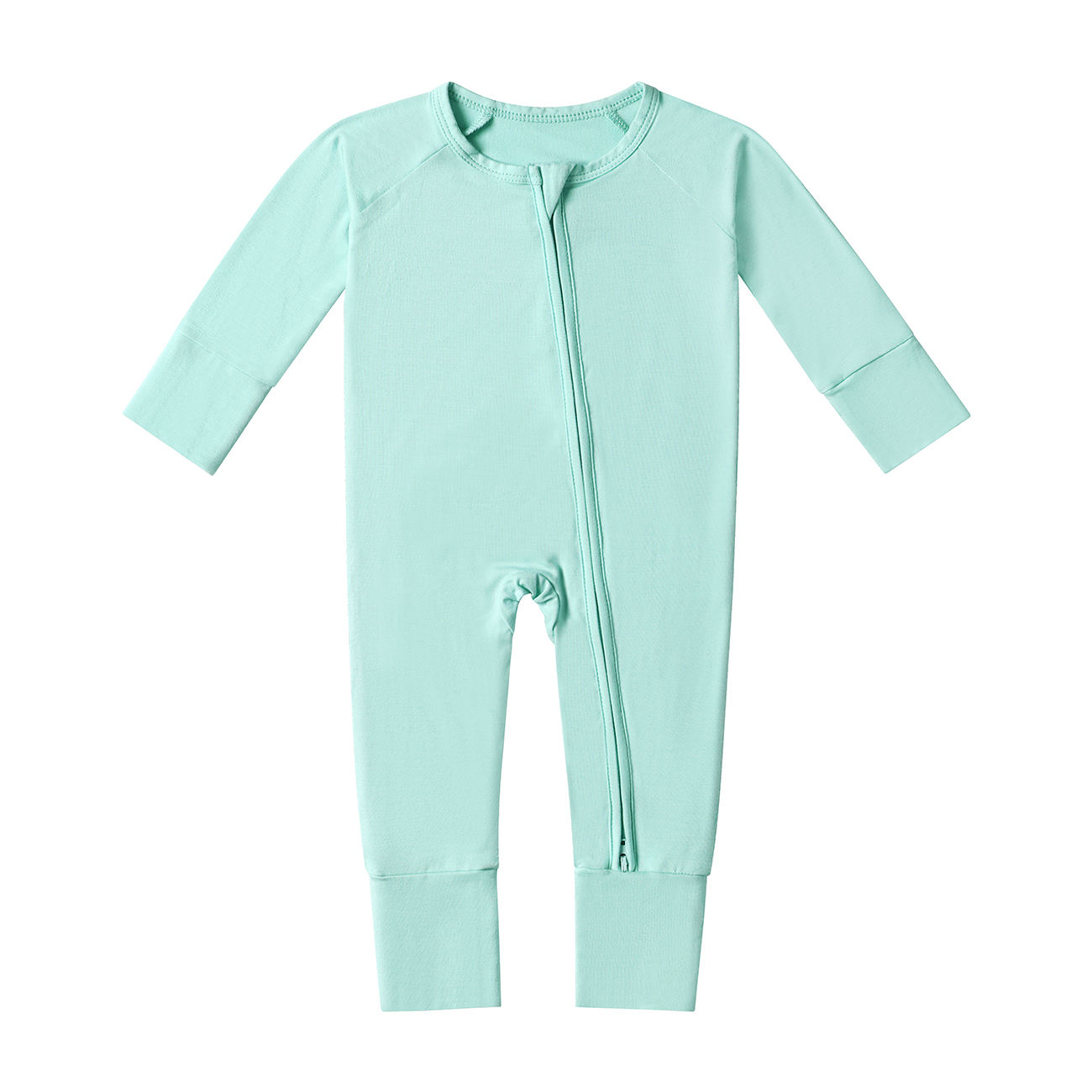
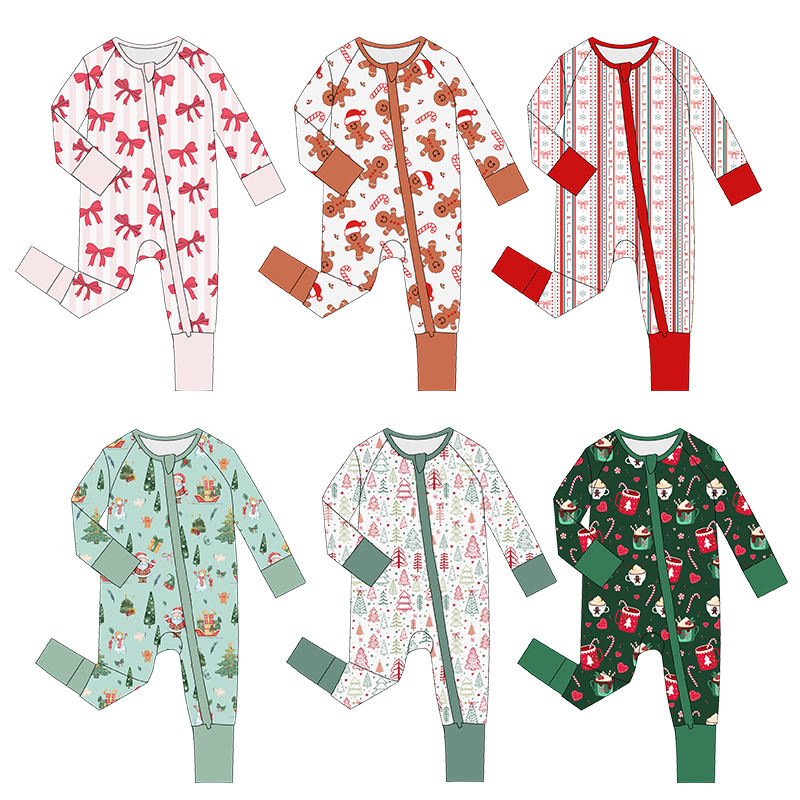
Bespoke Custom Onesie Gots Organic Factory
Enhancing Sewing Precision and Structural Durability in Custom Onesies
In the realm of textile manufacturing, particularly in the segment of custom onesies, the emphasis on sewing precision and structural durability cannot be understated. As demand for personalized apparel rises, businesses are compelled to meet the expectations of quality and longevity. This article delves into the technical aspects of sewing precision and structural durability and how these principles are applied in the creation of custom onesies.
Understanding Sewing Precision
Sewing precision refers to the accuracy with which fabric parts are joined using stitches. Achieving this precision is paramount in custom onesies to ensure a snug fit and aesthetic appeal. There are several key elements to consider:
- Stitch Type: The choice between lockstitch, chain stitch, or overlock impacts the seam's appearance and strength. Lockstitch offers stability, while overlock provides flexibility and is commonly used for edge finishing on knit fabrics, ideal for onesies.
- Stitch Length: Adjustments in stitch length affect stretchability and durability. Short stitches enhance seam strength, while longer ones are suitable for areas requiring elasticity.
- Needle and Thread Selection: The needle type (ballpoint, universal) and thread quality (polyester for elasticity, cotton for softness) play crucial roles in ensuring seamless sewing without fabric damage.
The Role of Structural Durability
Structural durability refers to a garment's ability to maintain integrity under stress and use over time. Custom onesies require reinforced construction to withstand frequent wear and washing. Key factors include:
- Fabric Selection: Choosing materials such as high-grade cotton, bamboo blends, or polyester ensures longevity. These fabrics offer breathability, softness, and resistance to wear.
- Seam Construction Techniques: Utilizing flat-felled seams and reinforcing stress points like shoulders and necklines increase durability. These techniques minimize seam exposure and enhance the garment's lifespan.
- Quality Control: Implementing rigorous quality checks at different stages of production, including tensile testing and seam integrity checks, ensures that the final product meets durability standards.
The Integration of Technology in Production
Modern manufacturing technology significantly boosts precision and durability in custom onesie production. Innovations in machinery and software have streamlined production processes:
| Fabric Type | Pima Cotton |
| Compliance | CPC Certified |
| Customization | ODM |
| Lead Time | 30 Days |
- Computerized Sewing Machines: These machines allow for programmable stitch patterns and consistent stitch quality, reducing human error and increasing production efficiency.
- CAM (Computer-Aided Manufacturing) Systems: CAM systems enable precise cutting and assembly, ensuring uniformity across all products. This technology helps maintain consistency in seam and fabric alignment.
- Advanced Fabric Testing Equipment: Utilizing digital fabric testing instruments for tensile strength and abrasion resistance ensures materials meet required durability standards before entering production.
, integrating technology not only enhances quality but also reduces production costs by minimizing waste and optimizing resources.
In the competitive landscape of custom onesie production, focusing on sewing precision and structural durability is crucial for businesses aiming to deliver high-quality products. By understanding the technical aspects and integrating modern technology, manufacturers can produce onesies that delight customers with their fit, appearance, and longevity. Through continuous innovation and adherence to quality standards, businesses can position themselves as leaders in the custom apparel industry, maintaining client satisfaction and unwavering reputation for excellence.