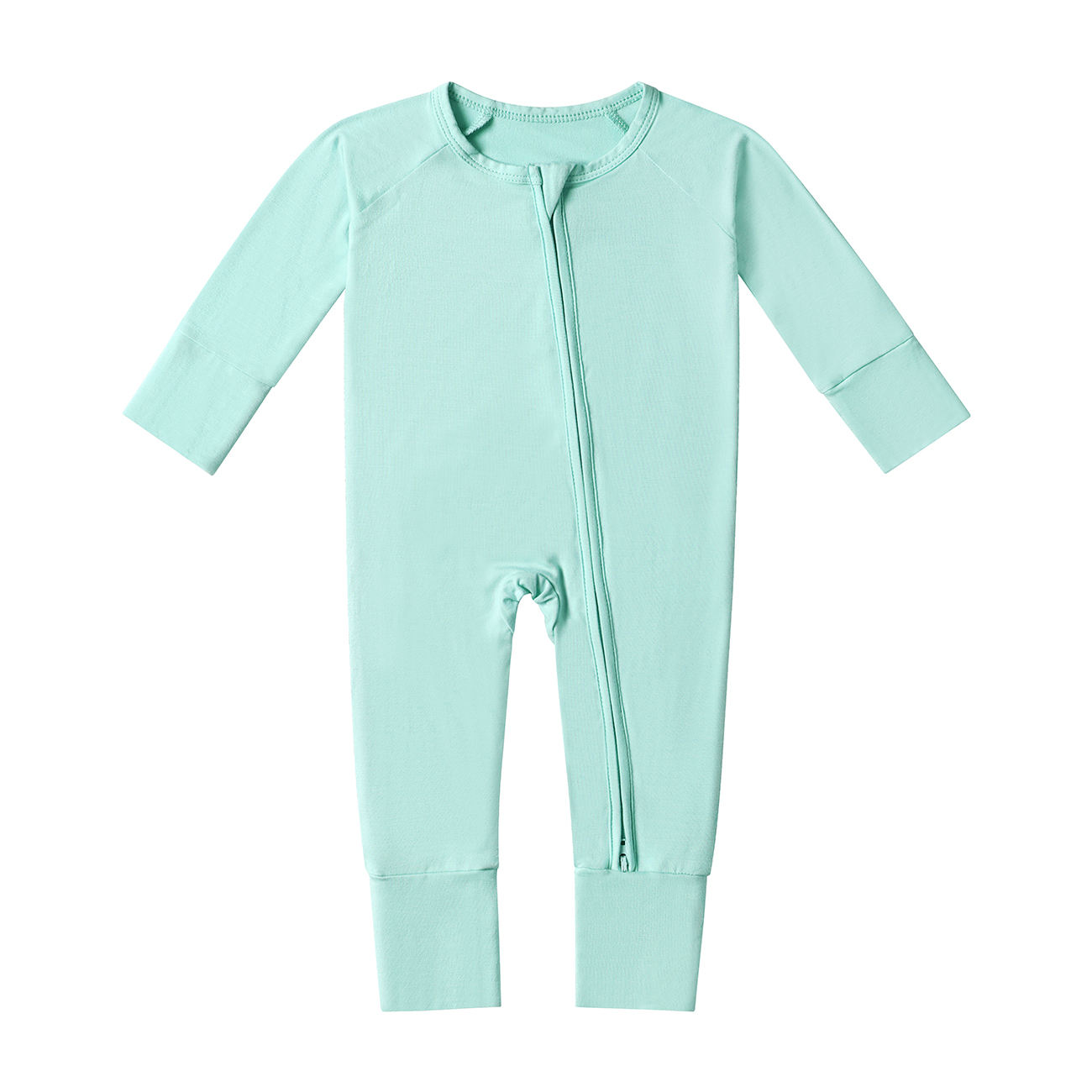
Cpc Certified Childrens Clothing Manufacturers Private Label Factory
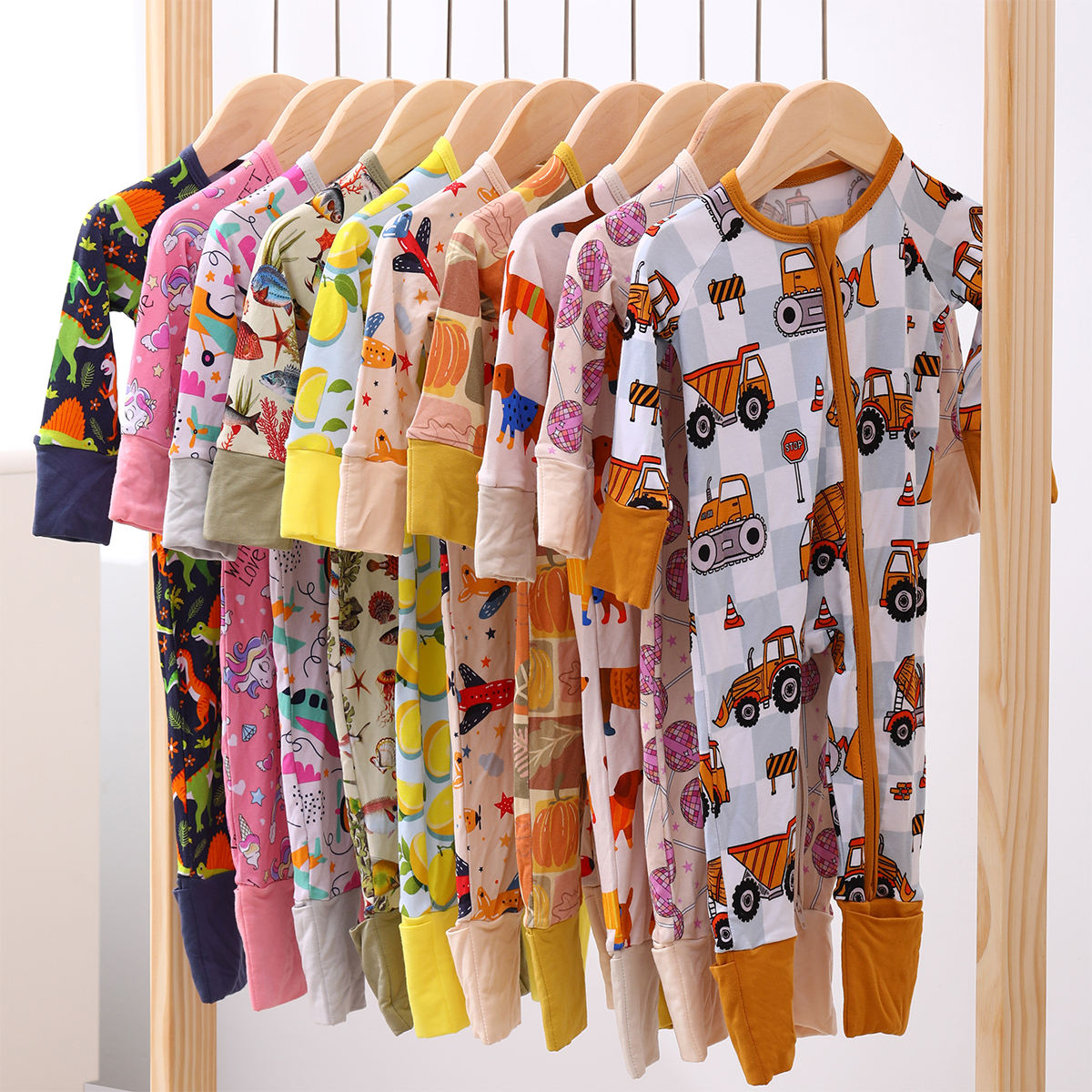
Ensuring Quality in Children's Clothing Manufacturing
In the competitive industry of children's clothing manufacturing, the emphasis on quality through sewing precision and structural durability is paramount. This article explores the key technical aspects that manufacturers must consider to deliver durable and comfortable clothing for children.

Sewing Precision: The Cornerstone of Quality
Sewing precision is critical in children's clothing manufacturing. The fabric used in children's clothing often demands careful handling and exact stitching techniques to prevent wear and tear, maintaining comfort and safety for the child. Below, we examine sewing techniques, machinery, and the importance of quality assurance in achieving precision.
Advanced Sewing Techniques
Manufacturers employ advanced sewing techniques such as flat seams and overlocking to provide smooth and durable finishes. Flat sewing minimizes abrasive edges, enhancing comfort and safety. Overlocking stitching improves fabric integrity, preventing unraveling and extending garment life.
State-of-the-Art Sewing Machinery
Investing in state-of-the-art sewing machinery is vital. Computerized sewing machines with programmable patterns ensure consistent stitch quality. These machines also reduce human error, increasing the precision of complex designs and reinforcing structural strength.
Quality Assurance and Accuracy
Quality assurance processes are crucial. Regular inspections and employing skilled technicians to monitor production lines help identify potential errors. Precision is further maintained by using computerized processes that track stitch density and alignment.
Structural Durability: Built to Endure
Structural durability is essential in children's clothing manufacturing. With children constantly on the move, clothing must withstand rigorous wear. Here, we delve into fabric selection, reinforcement techniques, and testing protocols that underpin structural longevity.
Fabric Selection for Durability
Choosing high-quality fabrics is foundational. Cotton blends and moisture-wicking synthetics are popular for their strength and comfort. These materials are less prone to tearing and pilling, offering longevity while maintaining softness that is gentle on sensitive skin.
Reinforcement Techniques
Reinforcement techniques, such as double stitching and reinforced patches on high-impact areas like knees and elbows, aid in enhancing garment durability. Utilizing bar tacking at stress points prevents seam failure, contributing to a garment’s ability to endure daily activities without compromising structural integrity.
Testing Protocols for Durability
Implementing stringent testing protocols ensures durability before garments reach the consumer. Burst strength tests, seam slippage evaluations, and abrasion resistance assessments are crucial. Such tests verify that the clothing performs adequately under stress and maintains its structure in various conditions.
Balancing Precision and Durability with Comfort
While precision and durability are critical, children's clothing must prioritize comfort. Incorporating comfort alongside technical proficiency demands a holistic approach. Here, manufacturers explore ergonomic designs and functional features that meet the complex needs of children’s daily life.
Ergonomic Design Principles
Ergonomic design considerations involve tailoring clothes to allow unrestricted movement, with adjustable features such as elastic waistbands and expandable cuffs. These adaptations not only complement structural durability but cater to the growth and development needs of children.
Integrating Functional Features
Functional features, such as tagless labels and flat seam construction, prevent skin irritation and enhance the wearing experience. Manufacturers balance these aspects with fabric technology that efficiently regulates temperature and moisture — crucial for both comfort and garment longevity.
: The Future of Children's Clothing Manufacturing
As the market evolves, children’s clothing manufacturers must continue investing in technologies and methodologies that improve precision and durability. Collaboration with textile engineers, investments in research on advanced materials, and adhering to evolving safety standards are not just beneficial but essential. By focusing on these areas, manufacturers can ensure they meet the demanding requirements of both parents and children, setting a benchmark within the industry.
| Fabric Type | Organic Bamboo |
| Compliance | ASTM F963 |
| Customization | Custom |
| Lead Time | 40 Days |