Cpsia Compliant Baby Clothes Bulk Wholesale Bespoke Oem
Exploring Baby Clothes Bulk Wholesale with Emphasis on Sewing Precision and Structural Durability
In the competitive world of baby clothes wholesale, the demands for high-quality products are ever-increasing. Retailers and distributors seek not only fashionable and adorable designs but also garments that prioritize safety and comfort. Ultimately, baby clothes must exemplify excellence in sewing precision and structural durability to ensure they withstand the rigorous activities of young toddlers. This article discusses the intricate processes and techniques employed to achieve these standards when manufacturing and wholesaling baby clothes in bulk.
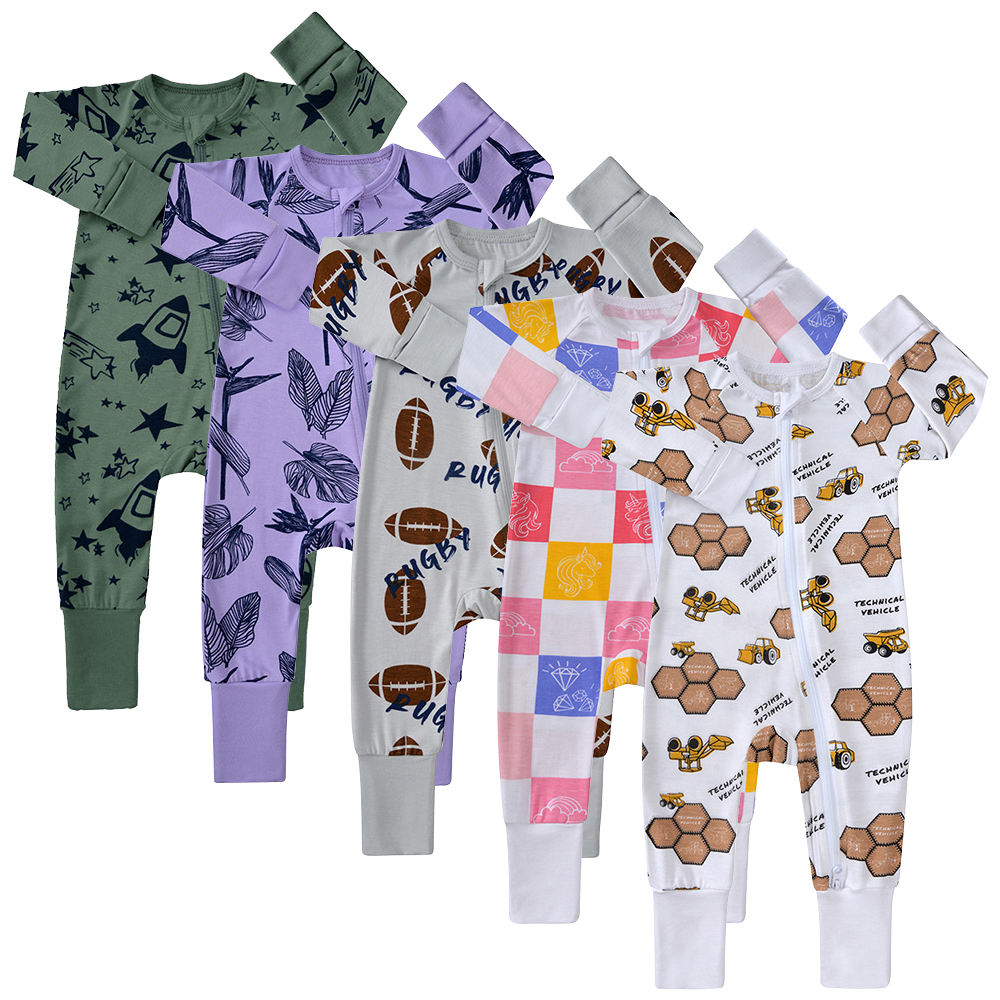
Understanding the Importance of Sewing Precision in Baby Clothes
Sewing precision is pivotal in the manufacturing of baby clothes. Precise stitching not only contributes to the aesthetic quality of the garment but also plays a crucial role in its safety and durability. Babies require clothing that is free from loose threads and poorly finished seams, as these could pose choking hazards or cause skin irritation. Therefore, investing in advanced sewing technology and skilled craftsmanship is essential for manufacturers aiming to produce bulk quantities of quality apparel.
Automated sewing machines, featuring computer-controlled precision, are widely used in the industry. These machines ensure that every stitch is uniform and accurately placed, reducing human error and increasing production efficiency. However, skilled seamstresses are indispensable, particularly for intricate designs and quality control. Manufacturers often employ rigorous training programs to ensure their workforce can operate machinery effectively and perform meticulous hand inspections.
Key Techniques to Enhance Structural Durability
Structural durability in baby clothes is a defining factor in repeat business for wholesalers, given parents and caregivers are likely to return to brands that withstand active wear. Key techniques in achieving structural durability include the use of reinforced stitching, appropriate fabric selection, and strategic design.
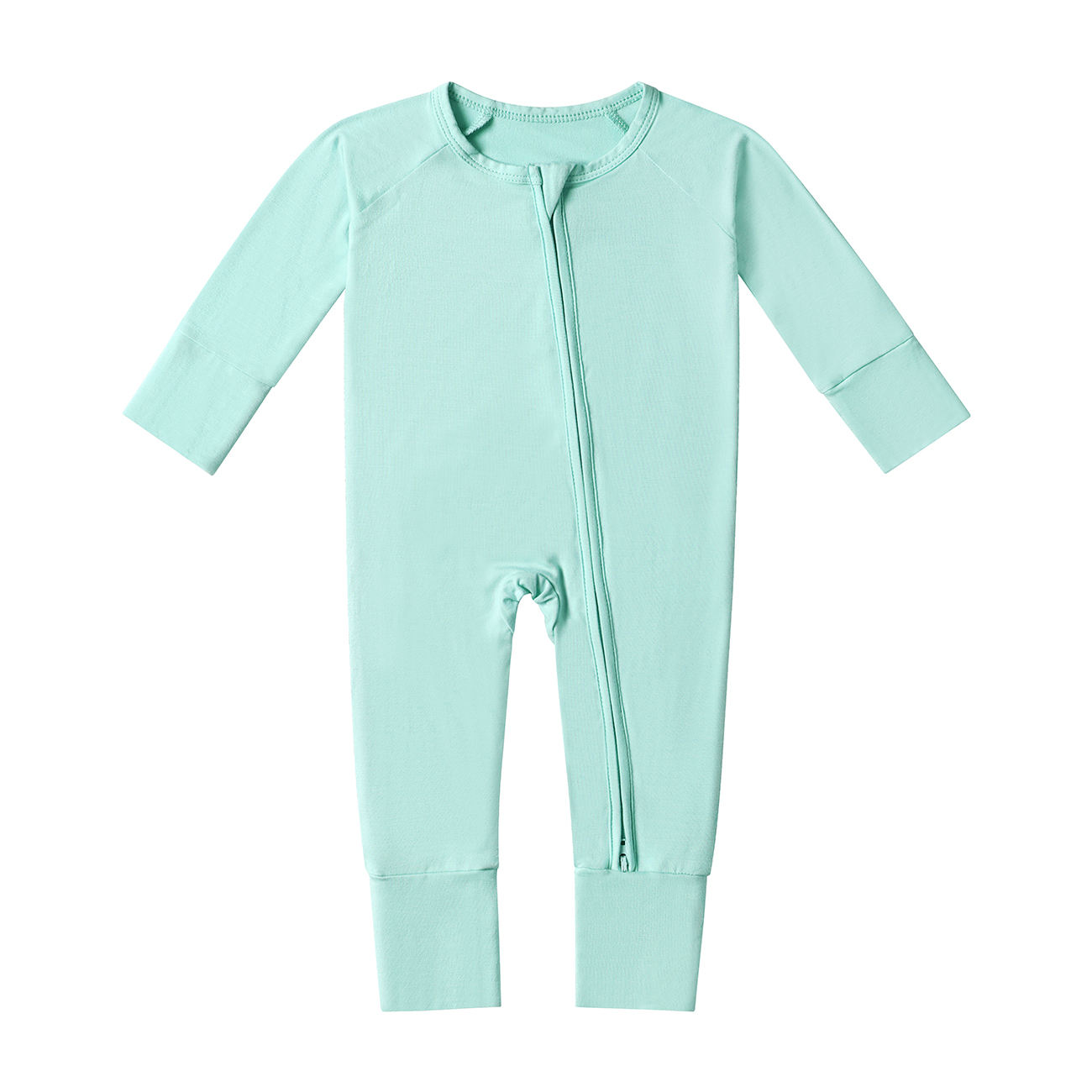
Reinforced Stitching: This technique involves using double or triple stitching in high-stress areas such as elbows, knees, and the crotch of baby garments. Reinforced stitching provides additional strength, allowing clothes to withstand strain and washing machine cycles without coming apart.
Fabric Selection: The choice of fabric is integral to both comfort and durability. Natural fibers like cotton are preferred for their softness and hypoallergenic properties, but the inclusion of a small percentage of synthetic fibers such as polyester can enhance strength and elasticity, increasing the garment's lifespan.
Strategic Design: Smart design choices can enhance durability. Features like adjustable waistbands and cuffs allow clothes to grow with the child, extending their usability. , seamless designs reduce weak points, minimizing the risk of tears from overextension.
Quality Assurance in Bulk Production
Quality assurance is crucial when producing baby clothes in bulk. The reputation of both the manufacturer and wholesaler hinges on delivering high-quality garments consistently. A robust quality assurance process involves multiple stages of inspection and testing to ensure each batch meets the requisite standards.
Inspection Processes: Manufacturers implement tiered inspection processes, including initial fabric inspections, in-line assessments during production, and final product evaluations. These inspections focus on stitch integrity, fabric quality, and garment construction, ensuring only flawless products reach wholesalers.
Durability Testing: Testing protocols often include simulant wear-and-tear tests, washing and drying longevity tests, and colorfastness assessments. These tests replicate real-world conditions to ensure that each garment retains its structural integrity and aesthetic appeal over time.
Compliance with Safety Standards: Compliance with safety regulations, such as those established by the Consumer Product Safety Commission (CPSC), is paramount. Manufacturers adhere to these regulations to ensure that their products are safe for infants, encompassing aspects like flame retardancy and absence of hazardous substances.
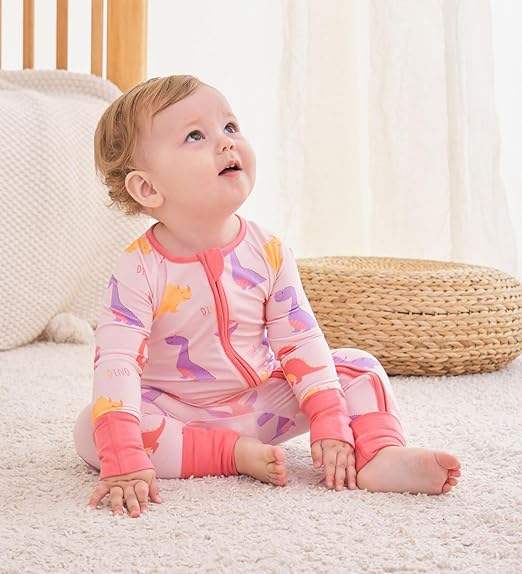
| Fabric Type | Pima Cotton |
| Compliance | CPC Certified |
| Customization | ODM |
| Lead Time | 20 Days |
Supply Chain Efficiency and Its Impact on Wholesale Success
Efficient supply chain management is the backbone of successful bulk wholesale operations. It ensures timely delivery of high-quality products to retailers and distributors, ultimately affecting consumer satisfaction and brand loyalty.
Innovations such as just-in-time manufacturing and real-time inventory management systems optimize production schedules and reduce lead times. These systems allow manufacturers to respond quickly to changes in demand, ensuring they can meet large order requests without compromising on quality.
Collaborative partnerships with suppliers enable better quality control over raw materials, ensuring that inputs meet the high standards required for baby garment production. Transparent communication and robust logistics networks further enhance supply chain efficiency, enabling a seamless flow from production to end-user delivery.
Ultimately, the success of wholesale baby clothes ventures depends not only on producing aesthetically pleasing designs but also on maintaining impeccable standards of precision and durability. By leveraging advanced sewing technology, implementing strategic quality assurance practices, and optimizing supply chain processes, manufacturers can confidently deliver bulk quantities of premium baby attire that meet the demands of a discerning market.