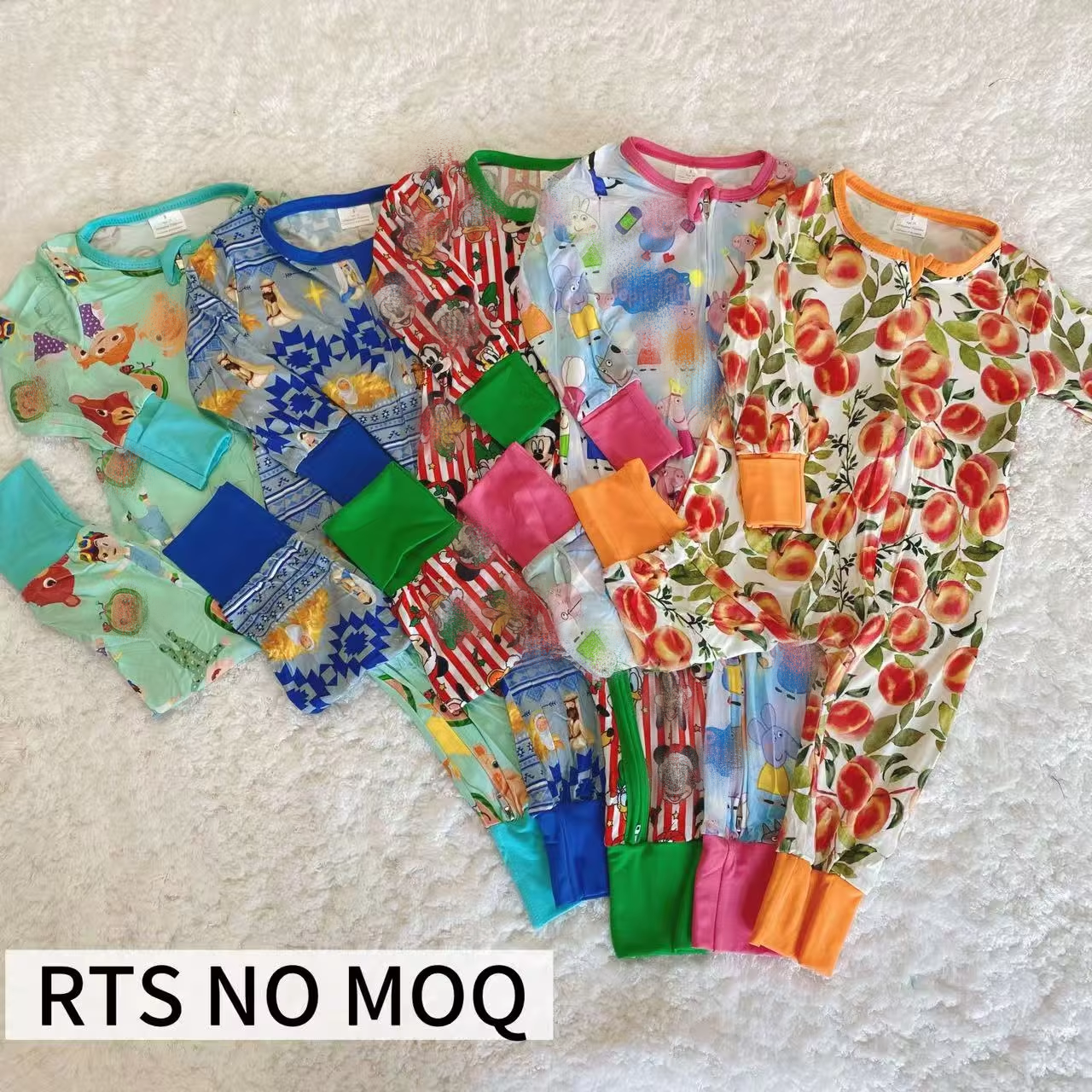
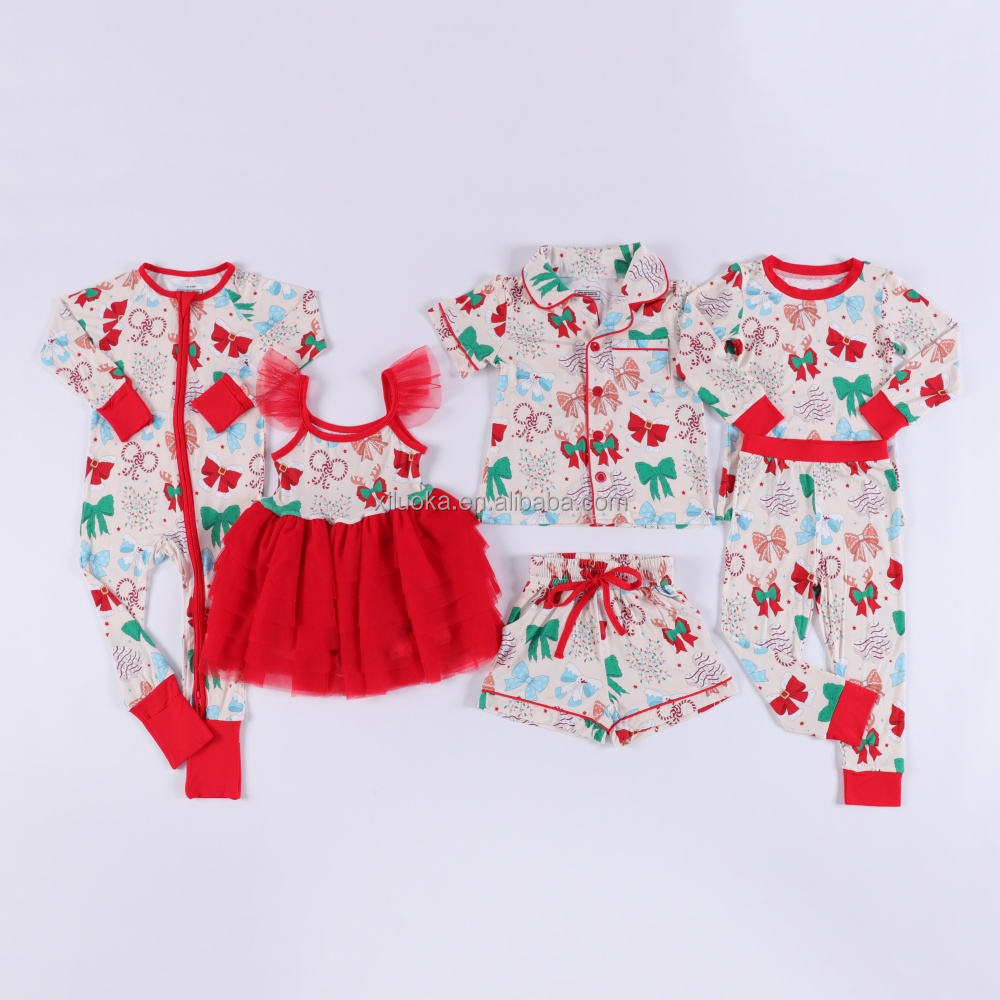
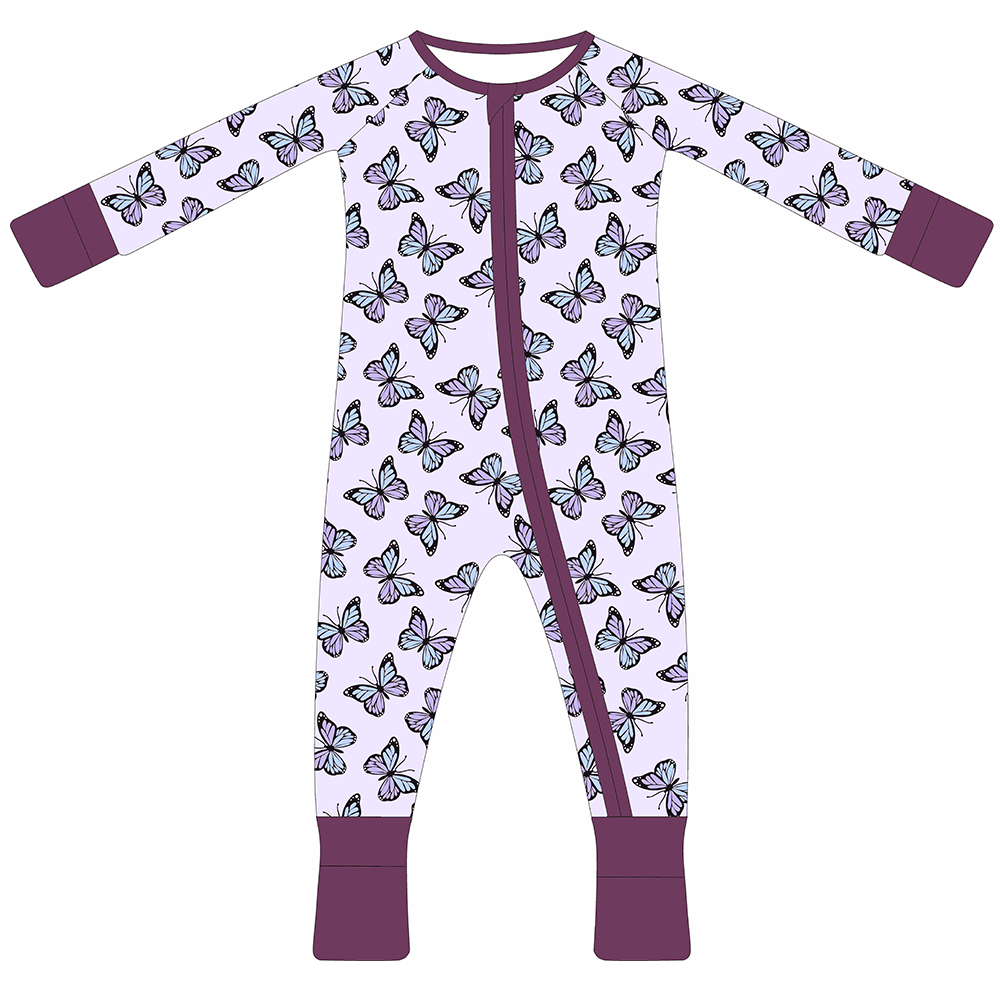
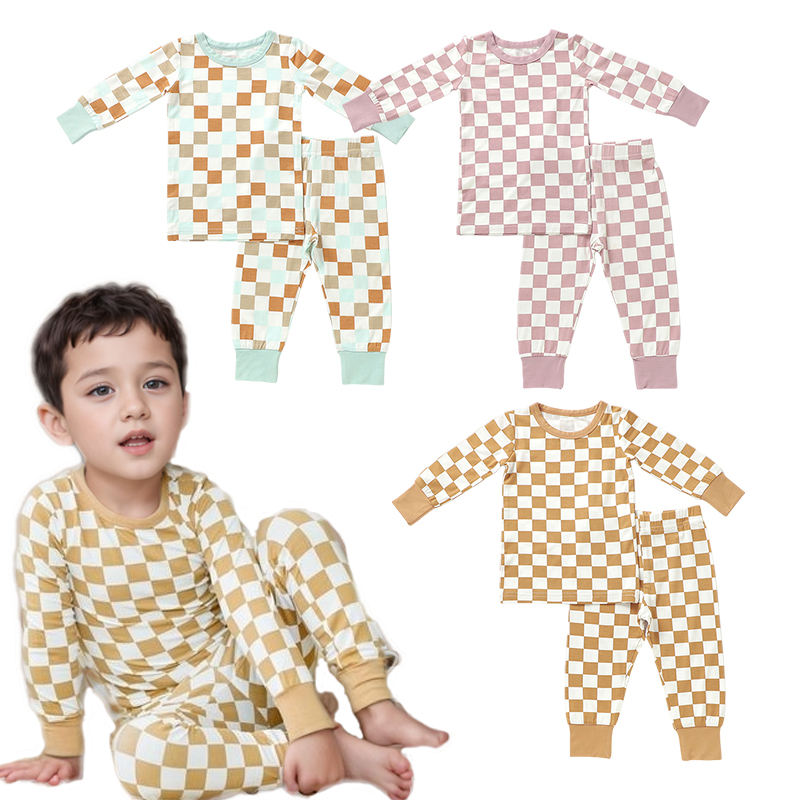
Cpsia Compliant Bamboo Baby Clothing Manufacturer Private Label Exporter
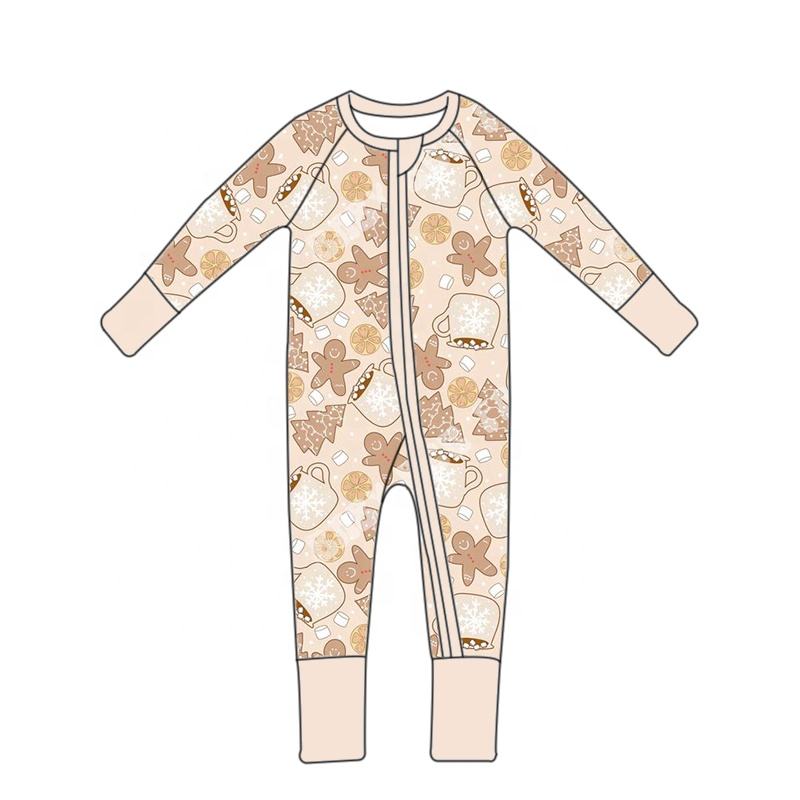
Introduction to Bamboo Baby Clothing Manufacturing
In the expansive realm of textile manufacturing, bamboo baby clothing has emerged as a leading contender for the infant garment industry. Its hypoallergenic properties, breathability, and eco-friendly nature make it a desirable choice for many manufacturers. This article delves into the technical intricacies of producing bamboo baby clothing, with a specific focus on sewing precision and structural durability.

Understanding Bamboo Fabric and its Benefits
Bamboo fabric is derived from the pulp of bamboo grass, creating a naturally soft and breathable material. Its inherent properties include moisture-wicking and antibacterial characteristics, making it ideal for sensitive baby skin. For manufacturers looking to produce high-quality baby garments, bamboo offers a sustainable alternative to traditional textiles like cotton.

Technical Sewing Techniques for Precision
Precision in sewing is paramount when manufacturing baby clothing. The delicate nature of bamboo fabric requires specific sewing techniques to ensure garment integrity and longevity.
Needle and Thread Selection
Choosing the correct needle and thread is essential in handling bamboo fabric. Using a fine, sharp needle minimizes fabric damage, while a polyester or silk thread ensures smooth stitching. This reduces snagging and potential tearing, enhancing garment resilience.
Stitch Types and Tension Adjustment
Utilizing appropriate stitch types is crucial. A narrow zigzag stitch accommodates fabric stretch without compromising seam strength, essential for active infants. Additionally, adjusting machine tension is vital; too tight can result in puckering, while too loose compromises seam integrity.
Ensuring Structural Durability in Baby Garments
Structural durability is integral to the longevity of baby clothing. This is achieved through meticulous construction techniques and quality control processes.
Seam Reinforcement
Reinforcing seams is a necessity for durability. In bamboo baby clothing, flat-felled or French seams provide enhanced strength and eliminate raw edges, which can fray. This not only extends garment life but prevents skin irritation for the wearer.
Quality Control and Stress Testing
Implementing rigorous quality control measures ensures each garment withstands the rigors of daily wear. Stress testing involves evaluating seam strength and fabric resilience under simulated conditions, guaranteeing each item meets stringent durability standards before reaching consumers.
| Fabric Type | Pima Cotton |
| Compliance | ASTM F963 |
| Customization | Custom |
| Lead Time | 38 Days |
Environmental and Economic Impacts of Bamboo Fabric Production
Manufacturing bamboo baby clothing carries significant environmental and economic implications. As an eco-conscious manufacturer, understanding these impacts is crucial to aligning production processes with sustainable practices.
Eco-friendliness of Bamboo Cultivation
Bamboo grows rapidly, requiring minimal pesticides and fertilizers, thus reducing the ecological footprint of textile production. Manufacturers benefit from the sustainable sourcing of bamboo, positioning themselves as environmentally responsible entities in the market.
Market Demand and Economic Viability
The demand for bamboo baby clothing is on the rise, driven by consumer preference for ethical and sustainable products. Manufacturers investing in bamboo textiles can tap into this growing market, enhancing economic viability through strategic product differentiation.
: Precision and Durability in Bamboo Baby Clothing
As the textile industry evolves, bamboo baby clothing stands out for its blend of technical precision and structural durability. Manufacturers dedicated to crafting quality infant garments must focus on employing advanced sewing techniques and rigorous durability testing, ensuring products not only meet consumer expectations but surpass them in terms of craftsmanship and sustainability.