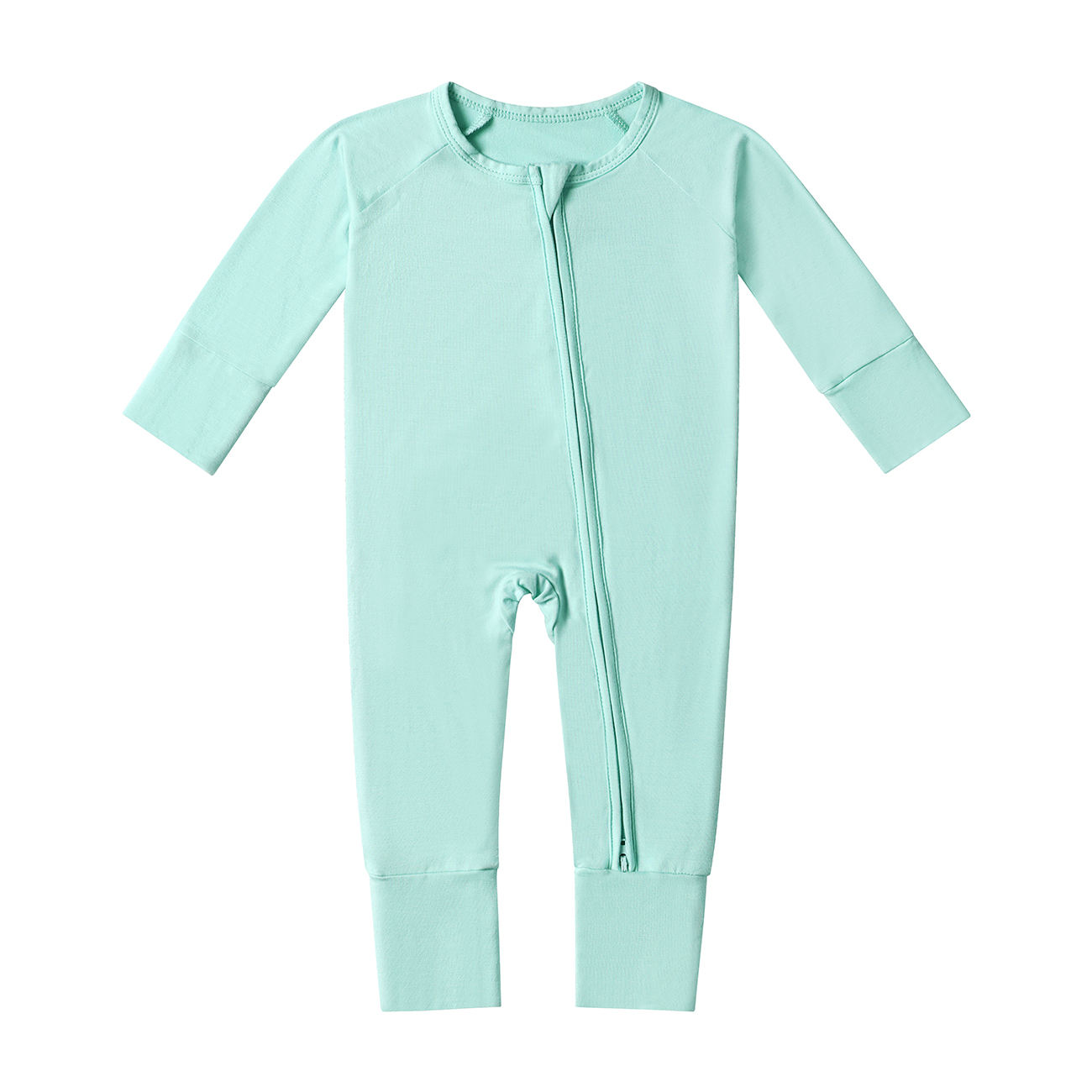
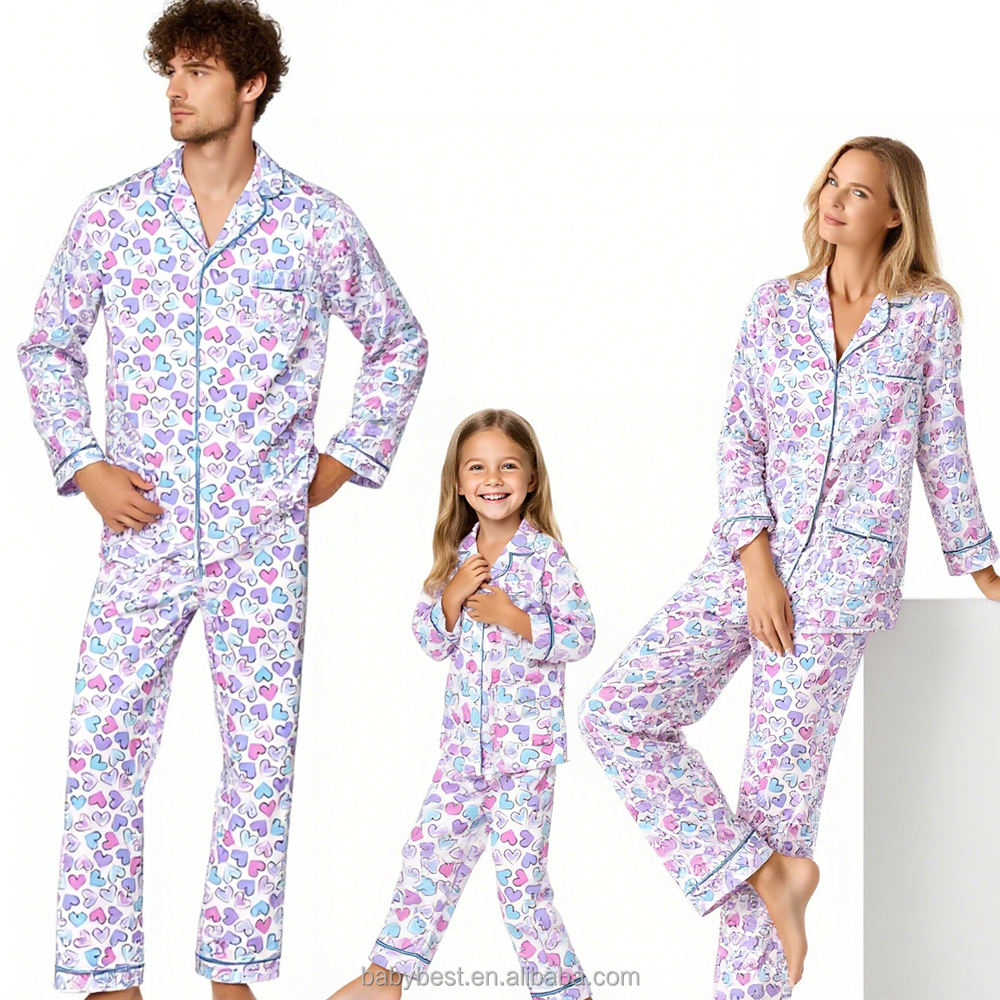
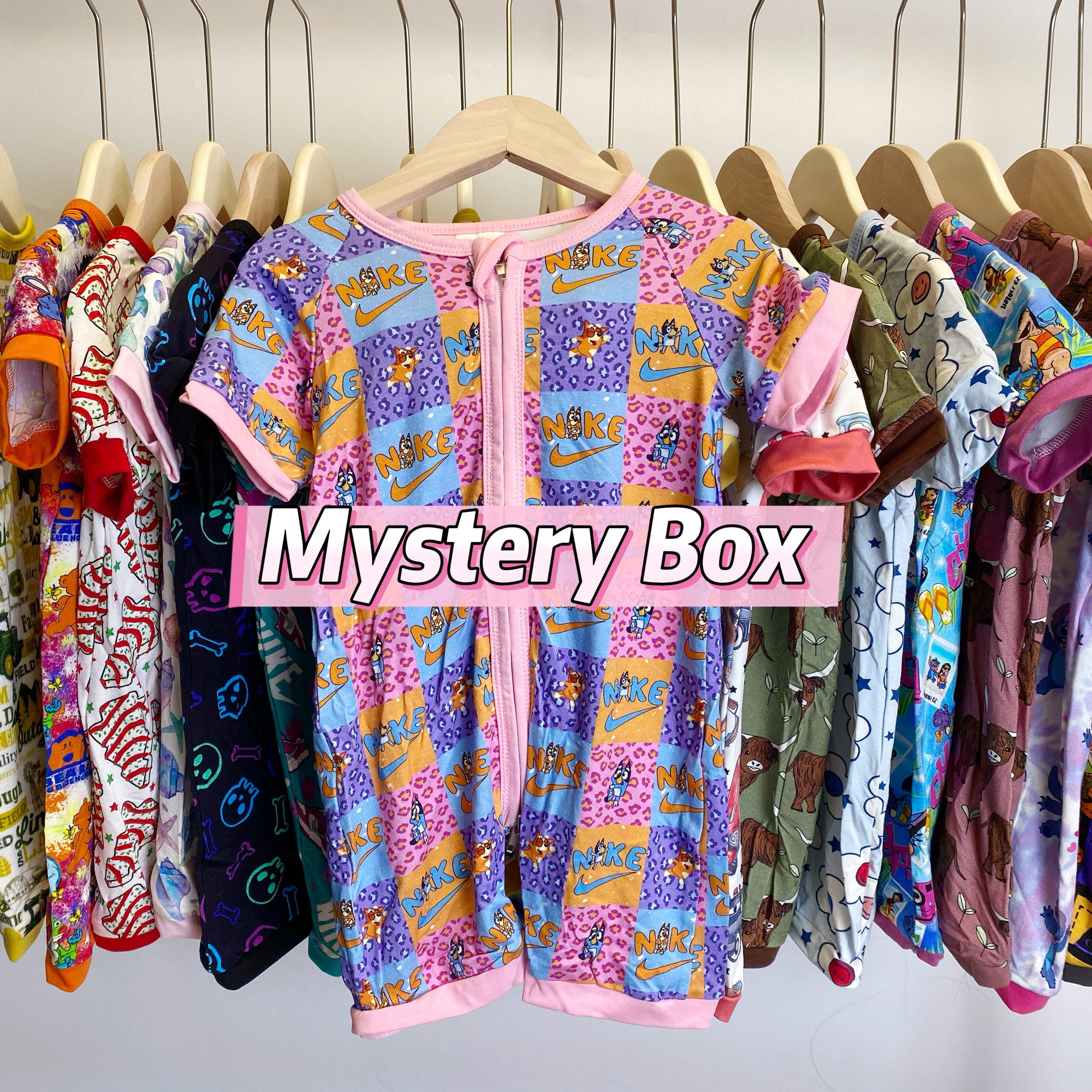
Custom Baby Clothing Vendors Astm F963 Factory
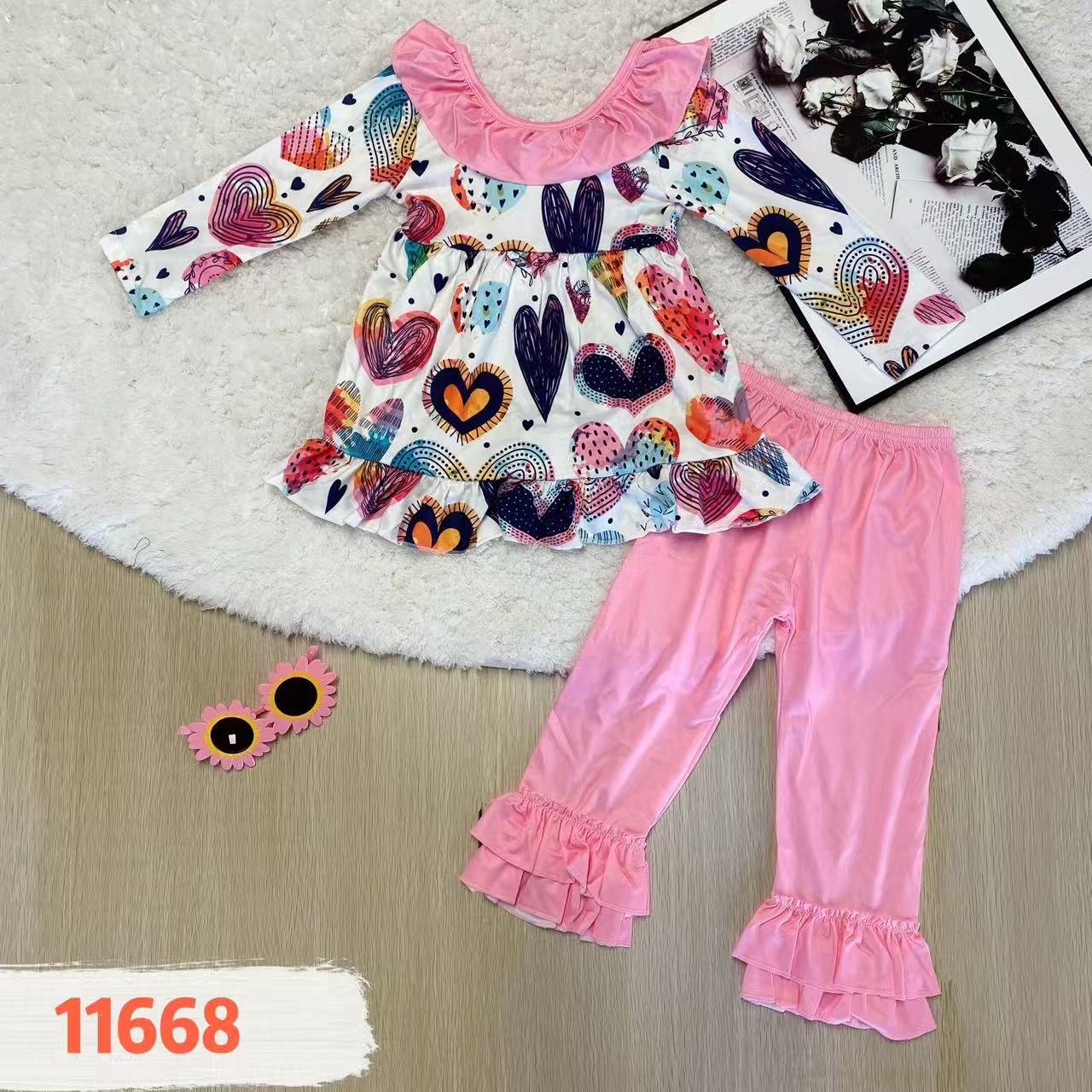
Ensuring Excellence: Precision and Durability in Baby Clothing Production
In the competitive world of baby clothing vendors, the focus on sewing precision and structural durability is paramount. The delicate nature of baby skin, coupled with active movement, necessitates garments that are both gentle and robust. Yet, producing clothes that meet these criteria demands a deep understanding of both textile technology and sewing craftsmanship. This article explores the technical aspects underpinning these attributes, offering insights into how vendors can elevate their products through precision engineering and durable construction.
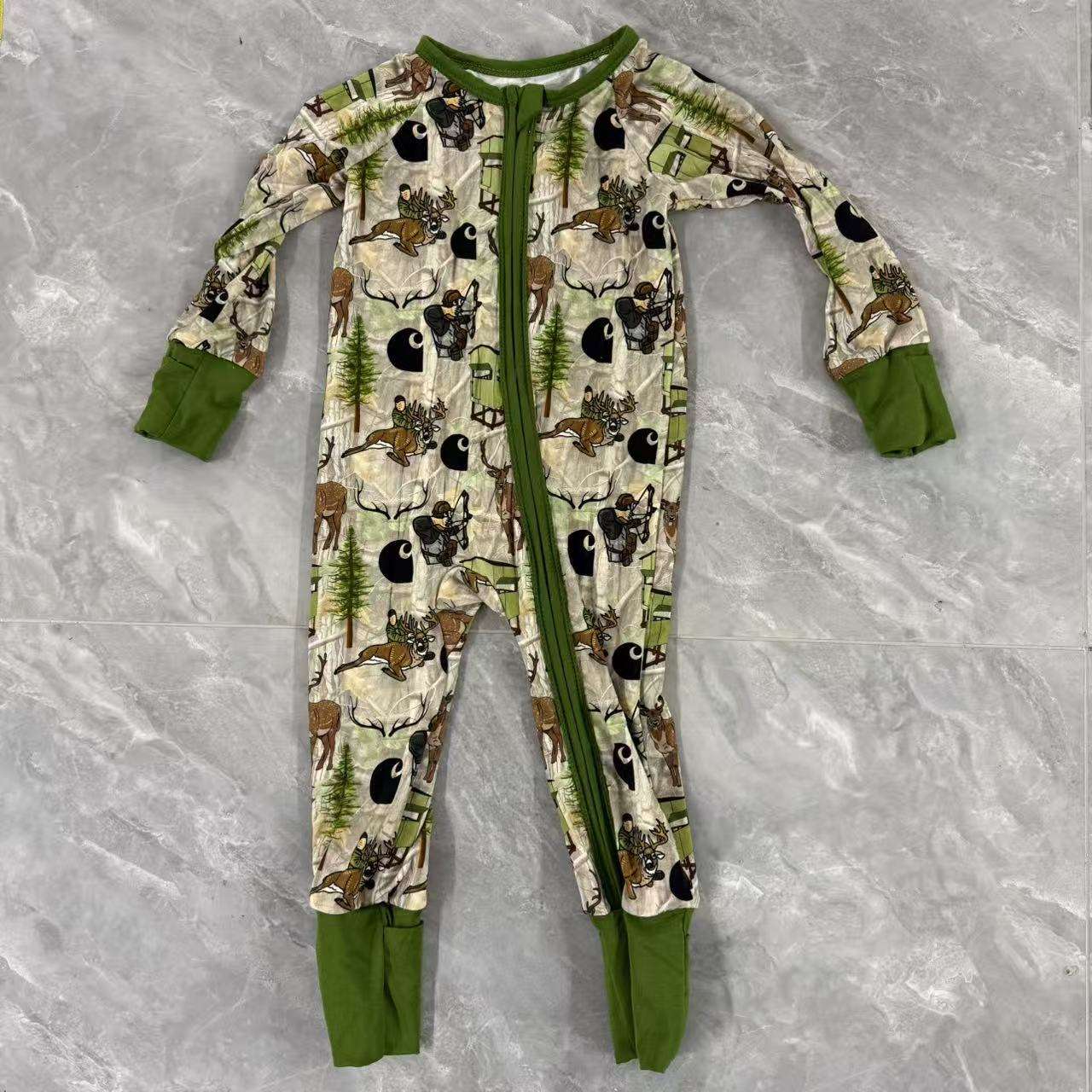
The Importance of Sewing Precision in Baby Clothing
Sewing precision is more than just an aesthetic concern; it directly impacts the safety and comfort of the garment. Misaligned seams or poorly executed stitching can not only compromise the fit but may also create risks such as chafing or entanglement. To ensure precision, vendors must invest in advanced seam technologies, including computerized sewing machines that offer consistent stitch length and pattern. Additionally, training technicians in using these tools proficiently is vital, as human oversight is crucial for identifying defects that automated processes might miss.
Precise sewing involves choosing the correct needle size and type. For baby clothing, micro-tex or ballpoint needles are recommended due to their gentle penetration in delicate fabrics. This consideration reduces fabric damage and maintains the integrity of the garment. Vendors should also prioritize materials such as organic cotton and bamboo fabrics, which demand careful handling but provide gentle comfort to the child's skin.
Structural Durability: Materials and Techniques
Structural durability in baby clothing starts with selecting the right materials. High-quality fabrics like interlock cotton or cotton blends provide the necessary stretch and resilience needed for baby wear. These fabrics withstand repeated washings and the everyday adventures of a rambunctious toddler. Vendors must be vigilant in sourcing certified materials that ensure both durability and safety, avoiding fabrics that contain harmful chemicals.
Beyond materials, the technique of construction plays a pivotal role. Double-stitched hems, reinforced seams, and cross-stitching are mandatory for garments expected to last through multiple laundering cycles and active use. Implementing flat-lock stitching reduces abrasion on the skin and ensures smooth finishes where fabric panels meet. Using tear-resistant threads also enhances the garment's lifespan, providing peace of mind to parents concerned about durability versus the natural wear and tear of baby apparel.
Quality Control and Testing Protocols
Quality control cannot be understated in the realm of baby clothing. Vendors need robust testing systems to ensure their products meet the highest standards. This includes stress testing garments to simulate real-world conditions, such as tugging and pulling, which are typical of a toddler's day. Garments should undergo wash testing to check how they withstand repeated cycles without loss of integrity, color, or fit.
Implementing rigorous inspection protocols at each stage of production—from fabric cutting to final stitching—helps identify and rectify defects early. Employing skilled technicians equipped with tools like magnifying lamps and seam guides ensures that even the smallest irregularities are noted and corrected. , periodic audits and certification by third-party entities like OEKO-TEX or Global Organic Textile Standard can provide vendors with an added layer of credibility and consumer trust.
Innovation and Technology Integration
The intersection of innovation and technology offers promising advancements for sewing precision and structural durability. Vendors should explore integrating smart textiles, which offer additional functionalities such as thermal regulation or moisture-wicking properties. These innovations not only enhance comfort but also contribute to longevity if correctly implemented in the garment's design.
, embracing digital manufacturing processes allows for precision cutting and automated quality control, minimizing human error while maximizing efficiency. Technologies such as laser cutting and ultrasonic welding can improve edge precision and seam strength without fabric distortion. These methodologies ensure that baby garments are crafted with the utmost precision and durability, setting a vendor apart in a crowded market.
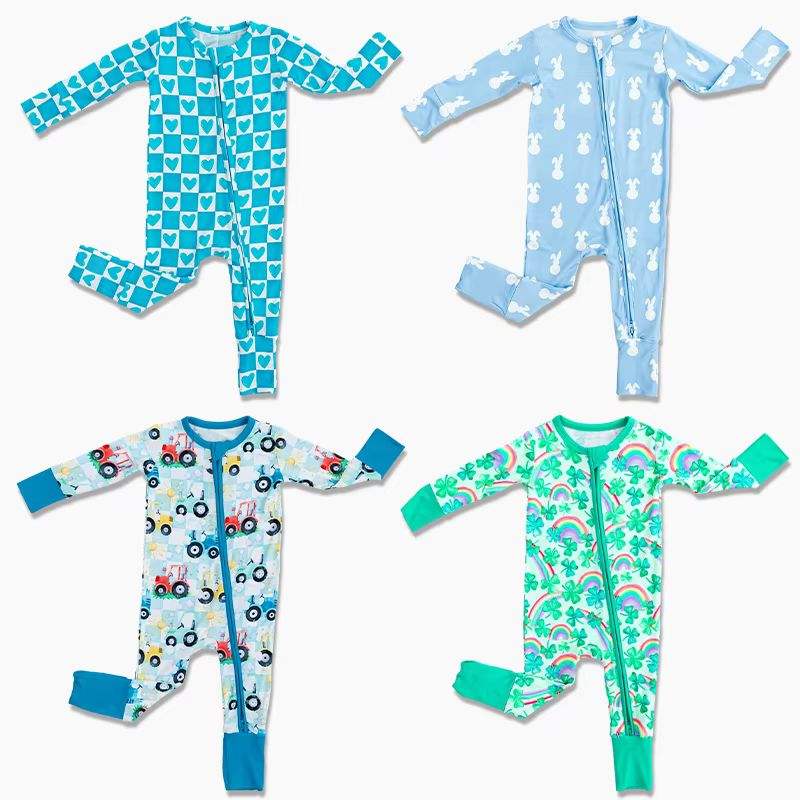
Integration of Artificial Intelligence in predictive modeling can further refine production techniques. By analyzing wear-and-tear data, AI tools can suggest optimal fabric selections and stitching techniques tailored to specific garment needs, thereby extending product lifespans and enhancing consumer satisfaction.
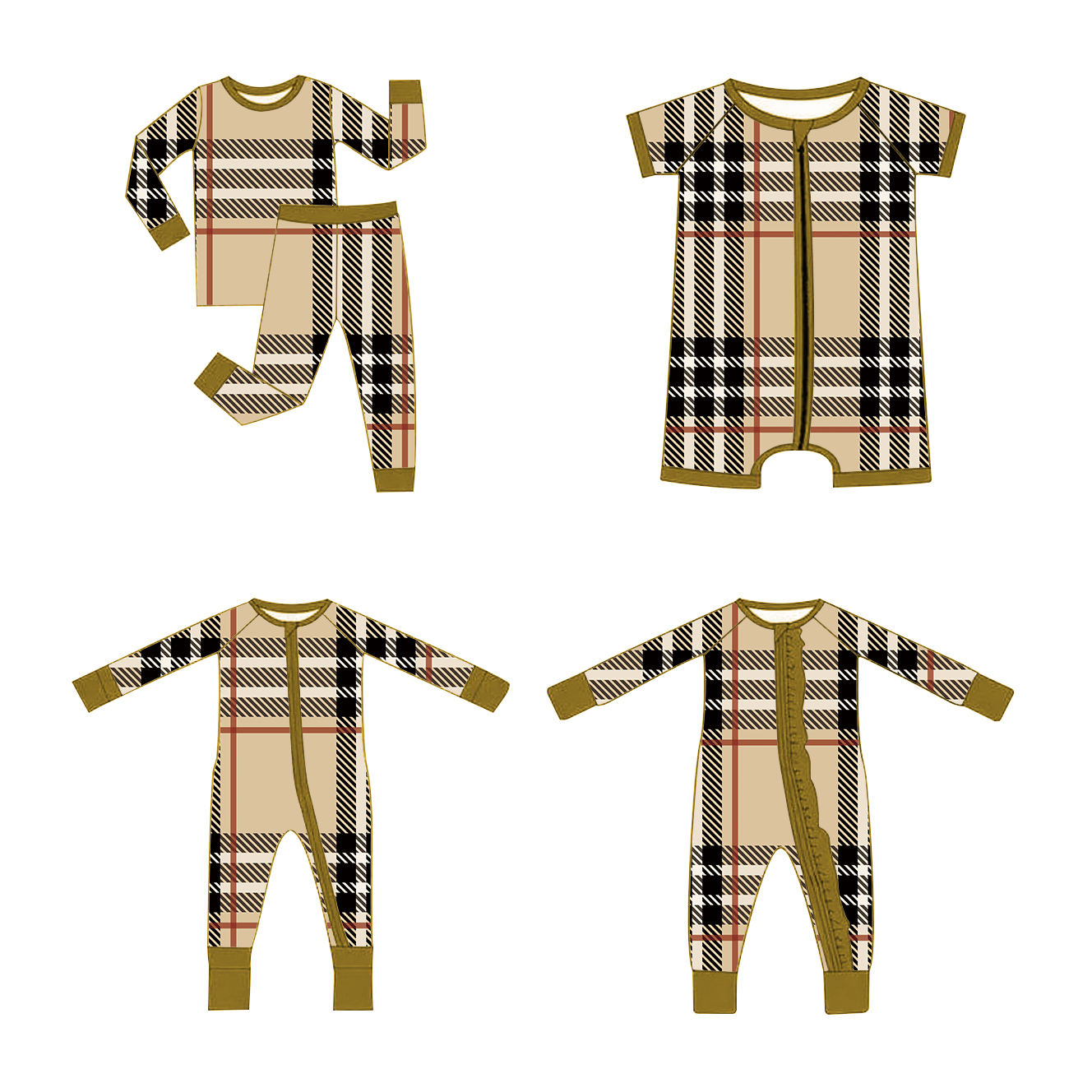
| Fabric Type | Pima Cotton |
| Compliance | OEKO-TEX 100 |
| Customization | Bespoke |
| Lead Time | 17 Days |
: Commitment to Quality and Safety
, vendors in the baby clothing industry must prioritize sewing precision and structural durability to maintain a competitive edge. By focusing on quality fabrics, advanced sewing techniques, rigorous quality control, and innovative technology, vendors can produce garments that are safe, comfortable, and long-lasting. Ultimately, their commitment to excellence not only safeguards consumer trust but also sets industry benchmarks in precision engineering and durable construction.
As the market demands more from baby clothing, the attention to these details will distinguish leaders from followers, providing pathways to lasting relationships with retail partners and end consumers. These strategic investments in technology and craftsmanship are not merely beneficial; they are imperative for sustained growth and brand loyalty in a dynamic and demanding market.