Custom Wholesale Bamboo Baby Clothes Private Label Factory
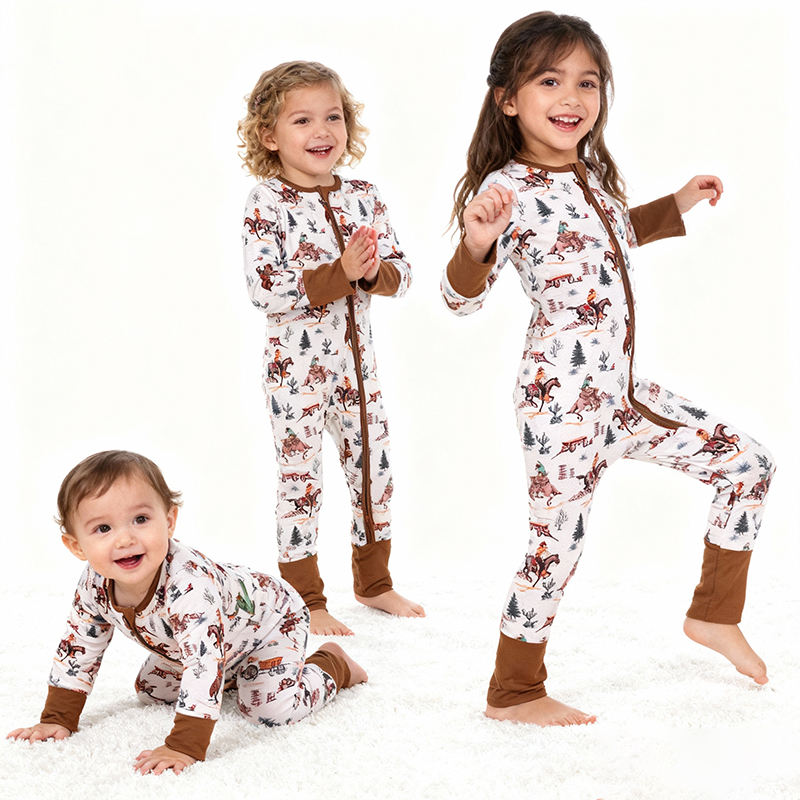
Introduction to Bamboo Baby Clothes Wholesale
In the rapidly evolving textile market, bamboo baby clothes have emerged as a robust choice for businesses focusing on sustainability, comfort, and precision in manufacturing. Bamboo fabric is celebrated for its soft texture, hypoallergenic properties, and environmental friendliness. When considering wholesale options, these attributes must be paired with impeccable sewing precision and structural durability to ensure both high customer satisfaction and profitable business operations.


Sewing Precision in Bamboo Baby Clothes
Precision in sewing is paramount, especially for baby garments where comfort and safety are top priorities. The unique qualities of bamboo, such as its natural elasticity and smooth fiber consistency, demand a specialized approach to ensure garments are crafted to perfection. This involves meticulous attention to seams, hems, and embellishments, maintaining high standards in textile manufacturing.
Advanced Sewing Techniques
Utilizing advanced sewing techniques is crucial for achieving precision. Serger machines, which trim and overcast the edge of the fabric at the same time, are ideal for bamboo fabrics. Their multi-thread capabilities ensure that the seams are strong yet flexible, accommodating the natural stretch of bamboo. This technique is pivotal for maintaining the integrity of the garment over time, enhancing both durability and comfort.
Quality Control Measures
Implementing stringent quality control measures is essential to sustain sewing precision. Every stitch and seam undergoes rigorous inspection to ensure uniformity and accuracy. Automated sewing machines equipped with precision sensors can detect discrepancies in stitch length and tension, allowing technicians to make necessary adjustments swiftly. This ensures each piece meets the high standards expected in wholesale distribution, reducing return rates and enhancing brand reputation.

Structural Durability of Bamboo Garments
The structural durability of bamboo baby clothes is crucial for wholesale businesses aiming to deliver reliable products. Bamboo fibers naturally possess a high tensile strength, but without proper construction techniques, garments may fail prematurely, affecting customer trust and business credibility. Emphasizing structural durability is essential to maximize the lifespan of each garment, making them a worthy investment for retailers and consumers alike.
Reinforced Seams and Hems
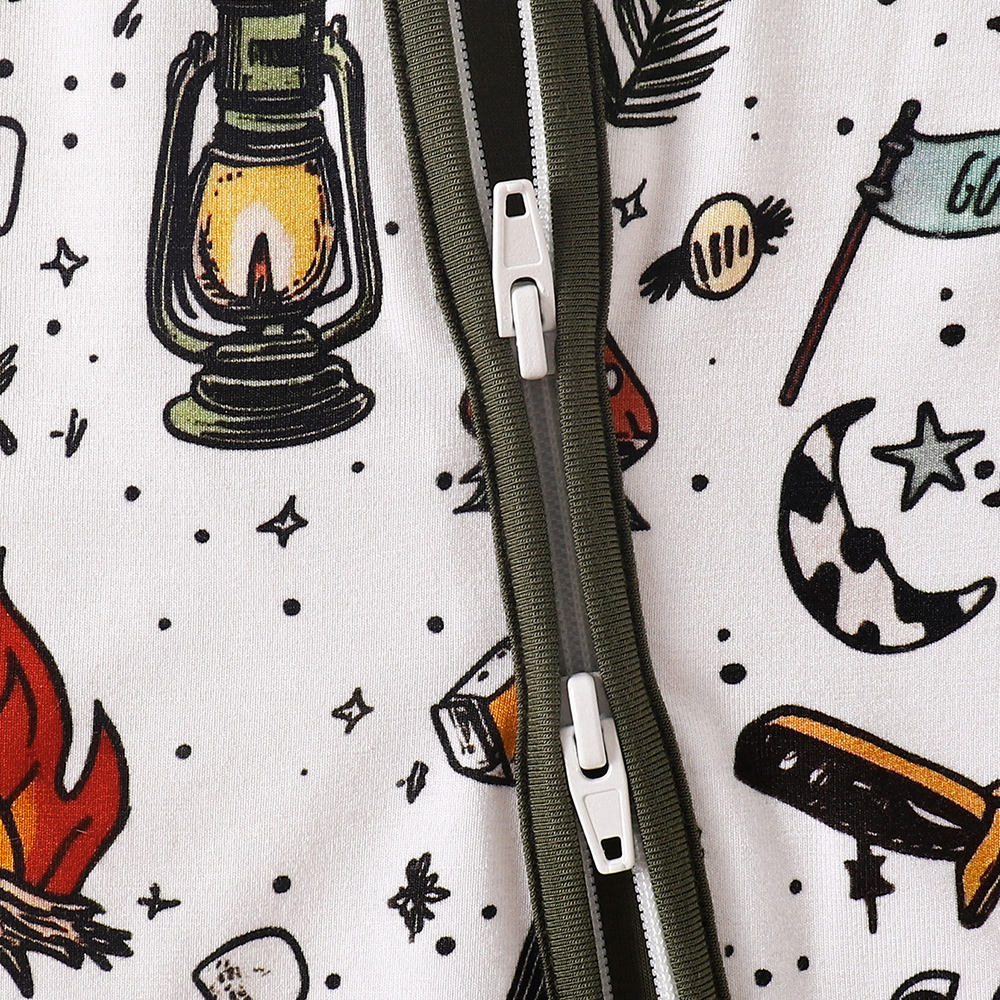
Reinforced seams and hems are critical elements in ensuring the longevity of bamboo baby clothes. Double stitching techniques are employed to fortify garment edges, particularly in areas prone to stress such as the neckline, armholes, and crotch seams. This not only enhances durability but also contributes to the garment’s comfort and usability, giving end-users the confidence of a product that can withstand multiple washes and wear cycles.
| Fabric Type | Pima Cotton |
| Compliance | GOTS Organic |
| Customization | ODM |
| Lead Time | 18 Days |
Tearing Resistance
Bamboo fabric inherently resists tearing, yet optimal durability is achieved through additional layering techniques. Applying a backstitch method at stress points increases the garment's resilience to tearing forces. This method strengthens the fabric without compromising its elasticity, ensuring that bamboo baby clothes stand the test of time, a clear advantage for wholesalers looking to minimize product wastage and maximize customer satisfaction.
Sustainability and Market Potential
The sustainability factor of bamboo significantly enhances its appeal in a market increasingly oriented towards eco-friendly solutions. For wholesalers, the sustainable nature of bamboo—rapid growth rates and minimal pesticide requirements—aligns with modern consumer expectations and legislative demands for greener textiles. This, combined with artisan precision in sewing and structuring, positions bamboo baby clothes as a lucrative opportunity.
Eco-Friendly Attributes
Bamboo is known for its sustainable growth cycle and minimal environmental impact, making it an ideal choice for eco-conscious consumers. It absorbs carbon dioxide and releases oxygen, contributing positively to air quality. Additionally, bamboo cultivation requires less water compared to conventional cotton farming and naturally regenerates without the need for replanting, providing ongoing benefits with minimal ecological disturbance.
Market Trends and Opportunities
Current market trends show a growing preference for sustainable and organic baby products. Consumers are increasingly demanding transparency in product sourcing and manufacturing practices. Businesses that incorporate bamboo textiles demonstrate responsiveness to these demands, holding a competitive edge in the wholesale sector. , the demand for comfortable, durable, and earth-friendly baby clothing is poised to grow, offering significant potential for market expansion.
, wholesale bamboo baby clothes represent a fusion of sustainability, precision sewing, and structural durability. For B2B enterprises, these garments offer not only eco-friendly solutions but also promise high-quality standards crucial for long-term success in the textile industry. Leveraging advanced sewing techniques and stringent quality control measures ensures that these products are crafted with precision and built to last, making them a sound investment for retailers seeking to stay ahead in a competitive market.