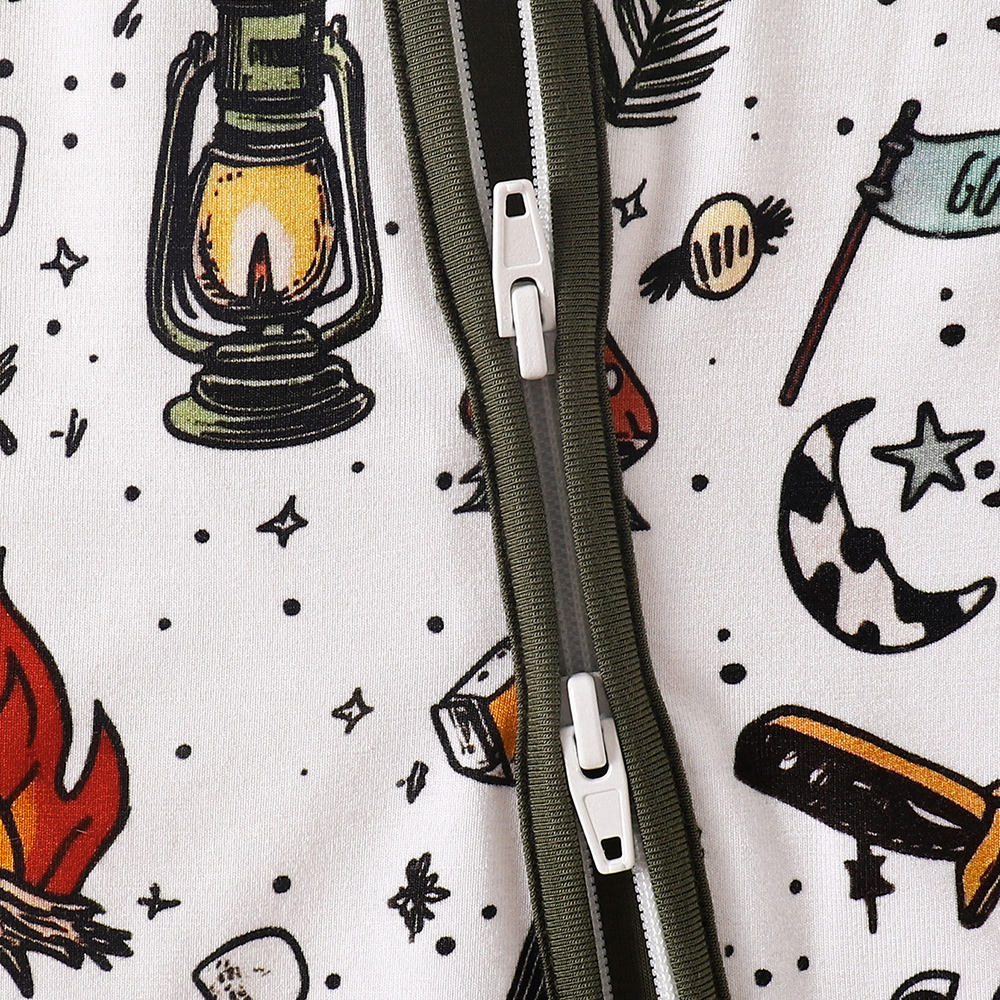
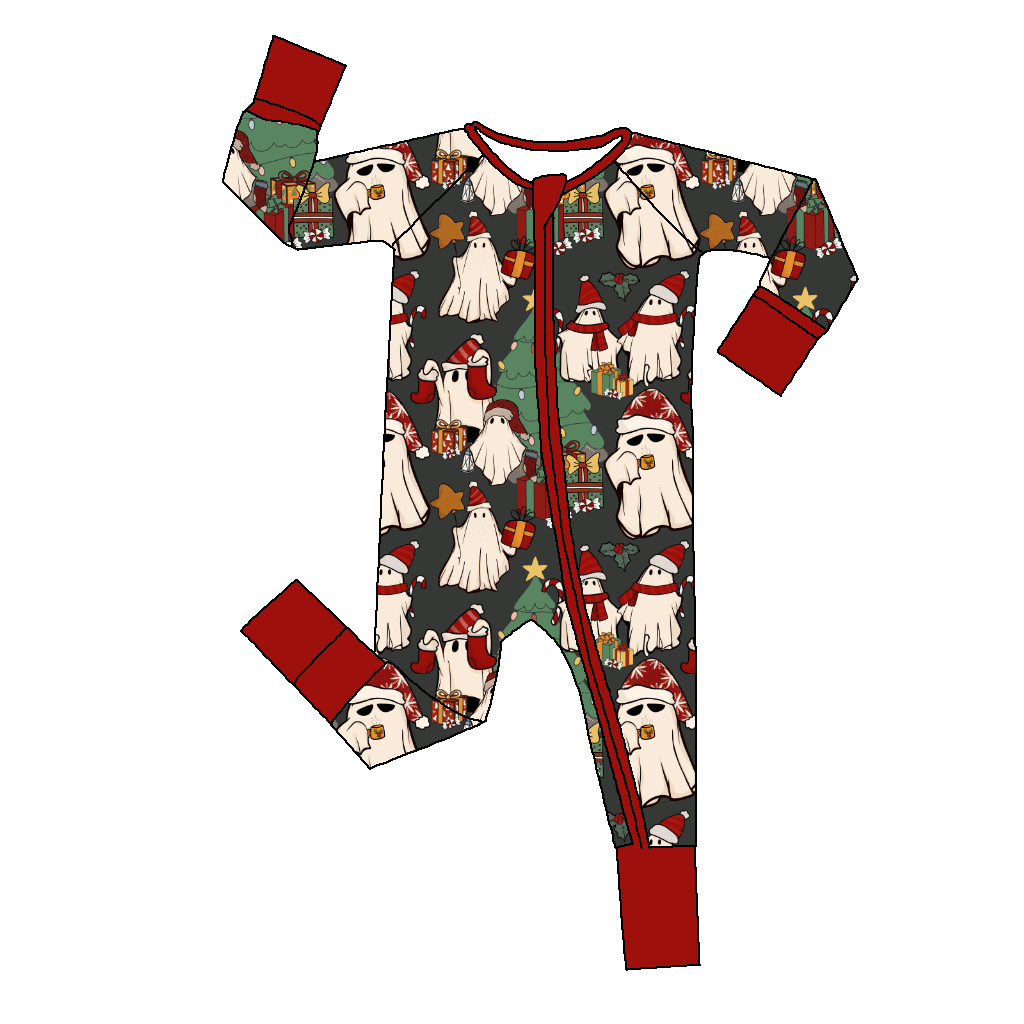
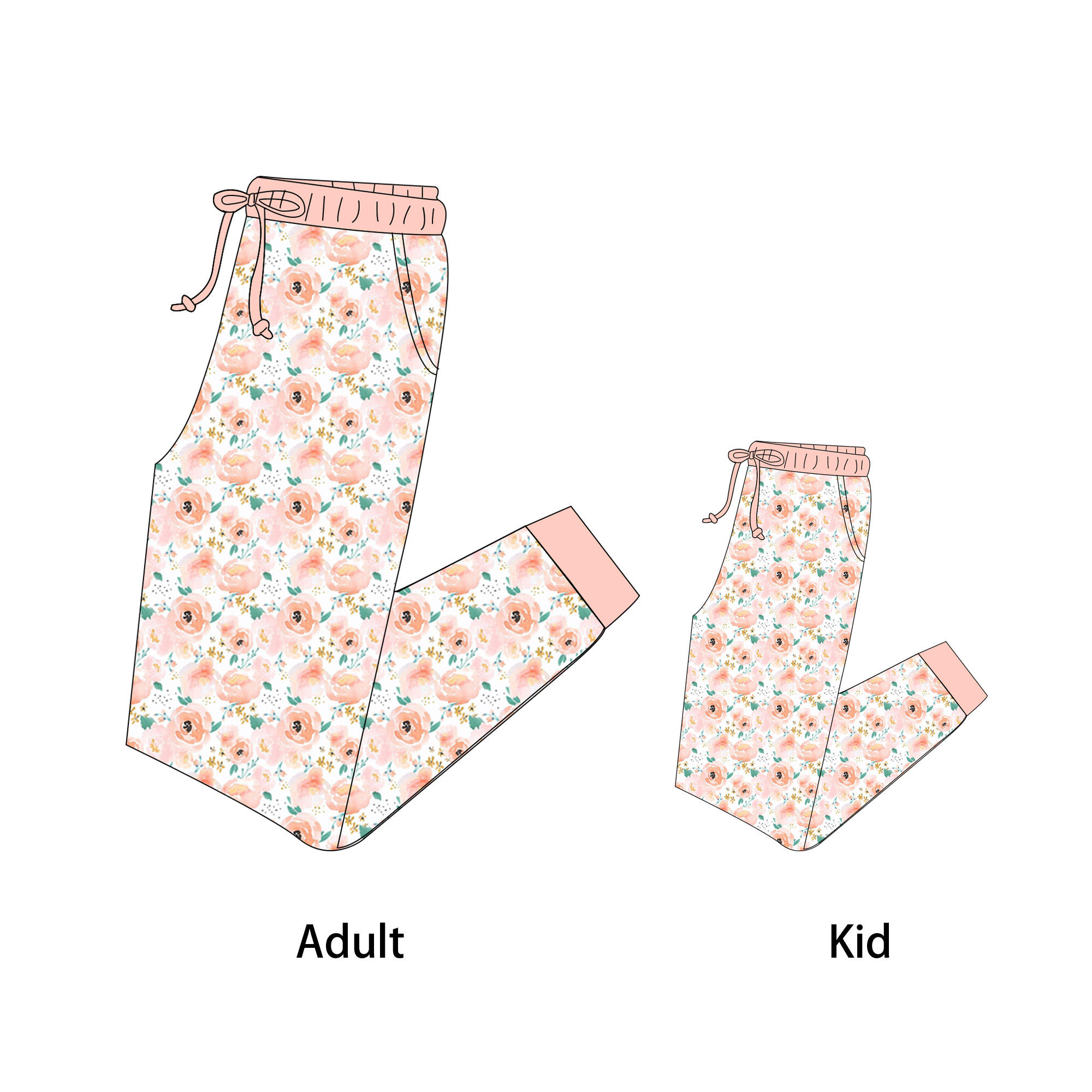
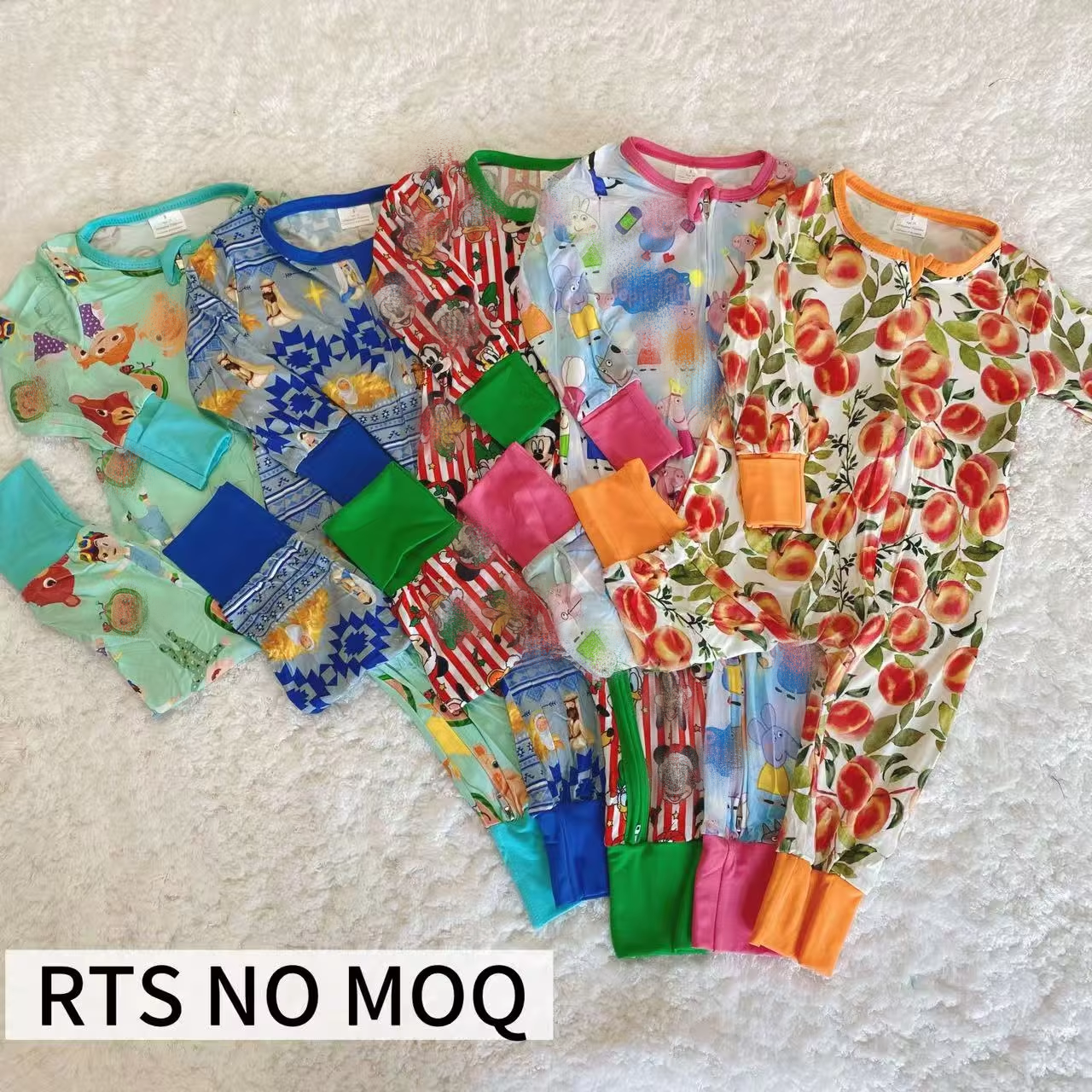
Gots Organic Custom Baby Clothes Astm F963 Oem
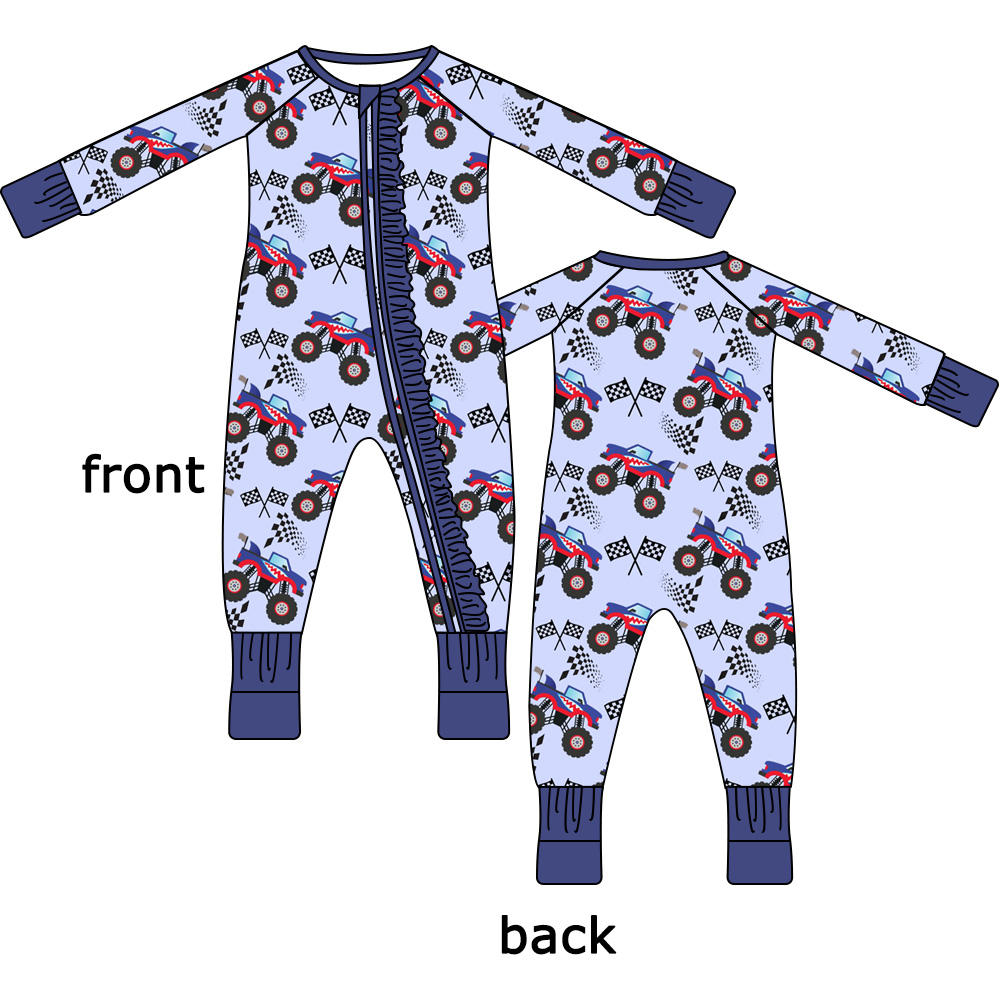
Crafting Superior Custom Baby Clothes: A Focus on Precision and Durability
In the competitive market of custom baby apparel, precision in sewing and structural durability are key differentiators that set premium products apart from the rest. Businesses looking to venture into or enhance their offerings in this niche must prioritize these aspects to ensure both customer satisfaction and business sustainability. In this article, we explore the technicalities behind crafting exceptional custom baby clothes and the importance of maintaining high standards in fabric construction and design execution.

Precision in Sewing: The Cornerstone of Custom Baby Apparel
Sewing precision is paramount in the creation of custom baby clothes. When dealing with garments designed for infants, the stakes are particularly high. Babies have sensitive skin, and their clothing must meet stringent comfort and safety standards, which require meticulous attention to stitching details.
For manufacturers, investing in advanced sewing technology is a crucial step. This includes high-end sergers and sewing machines equipped with precision controls. By utilizing machinery that can execute fine stitches, businesses can ensure consistent quality across every piece of clothing. Additionally, specialized needles designed for delicate fabrics should be used to prevent fiber damage or seam failure.

Manual skill cannot be overlooked. Skilled technicians who understand the nuances of fabric behavior, stitch tension, and seam alignment contribute significantly to the end product. Comprehensive training and continuous skill development should be part of every manufacturer’s strategy to maintain sewing precision.
Structural Durability: Ensuring Longevity and Safety
Durability in baby clothes is a hallmark of quality that parents and caregivers value. It ensures that garments will withstand multiple washings, frequent wearing, and the general wear-and-tear associated with infants' active lives. To achieve this, manufacturers must focus on the integrity of the fabric and the construction of the garment.

Choice of fabric plays a pivotal role in structural durability. Fabrics such as organic cotton, bamboo blends, or specially treated textiles offer intrinsic strength while being gentle on baby skin. These materials, although sometimes more costly, ensure the longevity and resilience of baby clothes.
Structural design elements such as reinforced seams, double-stitching, and gussets can significantly enhance the durability of baby garments. , the implementation of features like snap closures with strong backing, well-secured hems, and bias tape along the edges contribute to a garment's ability to withstand physical stress.
Quality Assurance and Standards Compliance
To excel in producing custom baby clothes with a focus on sewing precision and durability, adherence to quality assurance and safety standards is non-negotiable. Manufacturers must conduct rigorous testing to ensure their products meet industry regulations and are safe for infant use.
Regular inspections should be part of the production line process, allowing for timely identification of defects or inconsistencies. This may include seam stress tests, fabric tensile strength evaluations, and checks for stitch integrity. Additionally, compliance with guidelines established by organizations such as ASTM International or the Consumer Product Safety Commission (CPSC) in the U.S. helps maintain credibility and trust in the market.
, soliciting feedback from clients and end-users can provide valuable insights into practical durability and fit, enabling manufacturers to make informed improvements. Customer testimonials and industry reviews also highlight areas of success and potential enhancements.
Innovation in Design and Manufacturing Techniques
Innovation in the custom baby clothes segment can significantly shift market dynamics. Manufacturers who embrace new technologies and design principles position themselves as leaders in both creativity and functionality.
The integration of computer-aided design (CAD) systems allows for precision pattern making and repeatability in design, ensuring consistency across production runs. , advancements in automated cutting solutions minimize fabric waste and improve accuracy, complementing the goals of precision sewing.
Emerging techniques such as 3D knitting provide opportunities to create seamless garments with minimal human error. These garments exhibit refined fit and enhanced comfort, reflecting a focus on both aesthetic and practical considerations.
Collaboration with designers who specialize in ergonomic and bio-sensitive clothing ensures that innovative concepts are grounded in functionality, catering to the nuanced needs of infants and their guardians.
The Path Forward: Sustainable Practices and Market Responsiveness
As the custom baby clothes market evolves, sustainability and responsiveness to consumer trends become increasingly important. Businesses that incorporate environmentally friendly practices and materials not only contribute positively to the planet but also appeal to a growing demographic that prioritizes sustainability in purchasing decisions.
| Fabric Type | Organic Bamboo |
| Compliance | GOTS Organic |
| Customization | Custom |
| Lead Time | 29 Days |
Utilizing eco-friendly dyes, ethically sourced materials, and waste-reducing manufacturing processes reflects a commitment to corporate responsibility and environmental stewardship. Recycled packaging and transparent supply chains further bolster brand integrity, aligning with consumer expectations.
Being responsive to market trends involves actively researching and anticipating shifts in consumer lifestyle, technological advancements, and regulatory updates. Participating in industry forums, attending trade shows, and engaging with thought leaders are ways to stay ahead of the curve and ensure that offerings remain relevant and competitive.
Ultimately, the journey to crafting superior custom baby clothes is an integration of precise sewing, robust durability, stringent quality standards, and innovative approaches. By focusing on these key elements, businesses can not only meet but exceed the expectations of their clientele, carving out a reputable space in this dynamic industry.