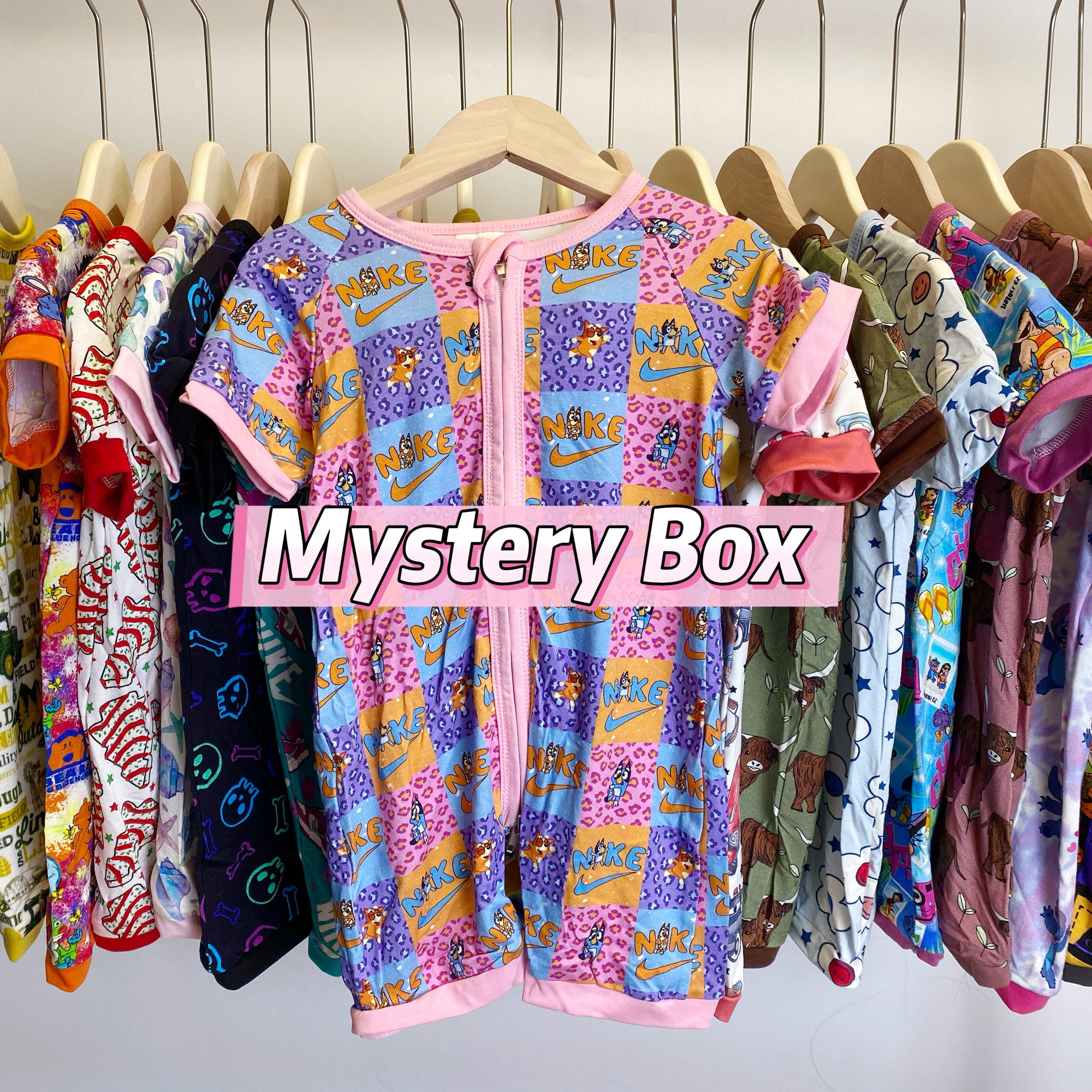
Odm Baby Onesie Wholesale Oem Wholesale
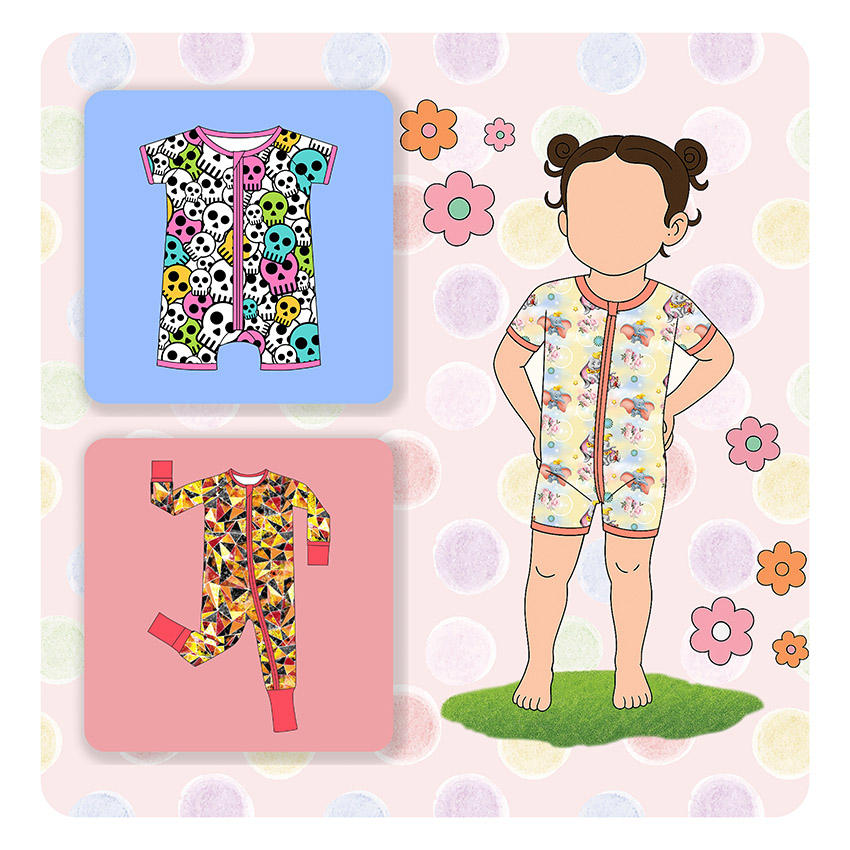
Ensuring Quality and Durability in Baby Onesie Wholesale
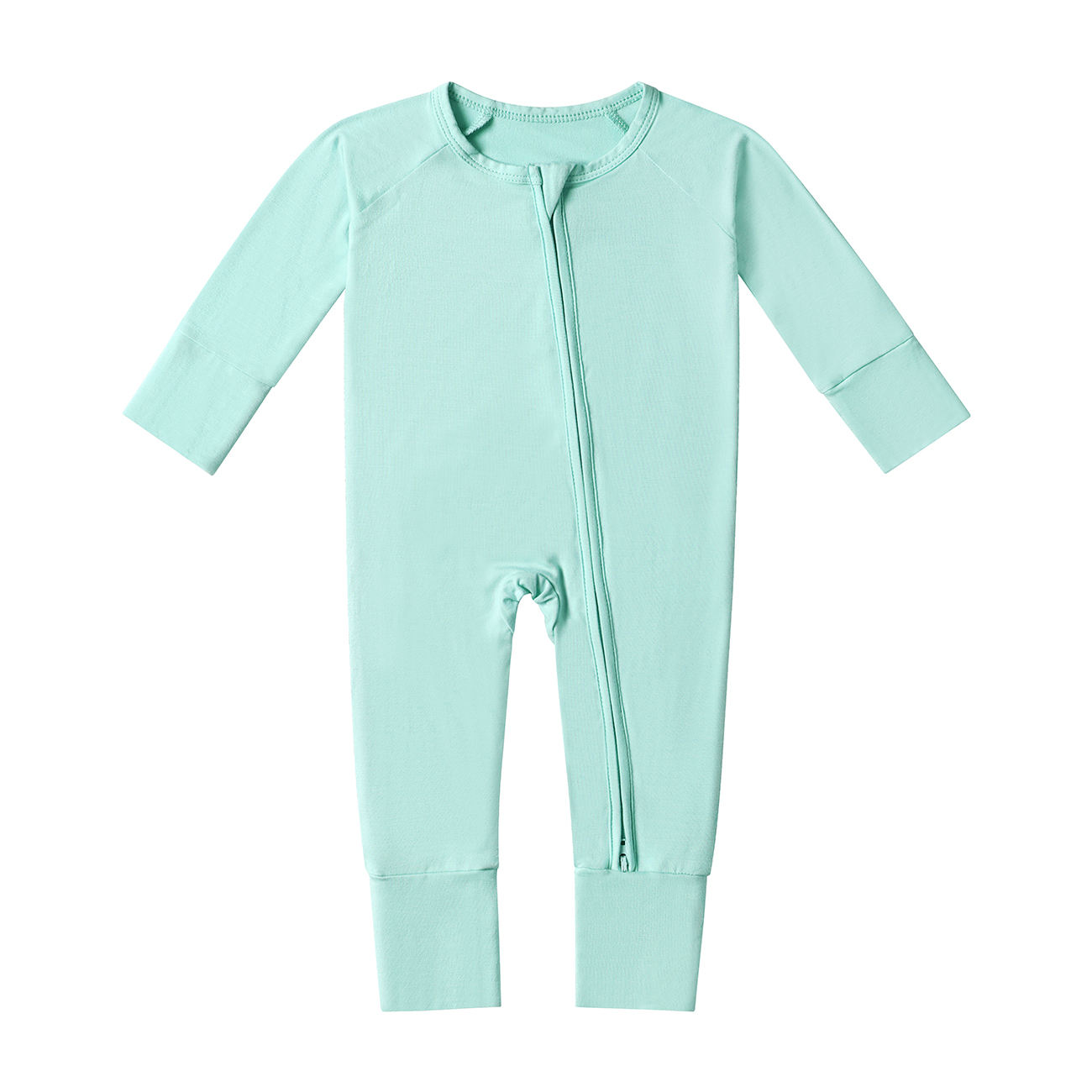
In the bustling world of baby apparel, the onesie stands out as an essential garment. Its popularity in the retail sector echoes its practicality, comfort, and adorable appeal. For businesses venturing into baby onesie wholesale, ensuring precision in sewing and structural durability is crucial to maintaining competitive advantage and customer satisfaction. This article delves into the technical aspects that define quality baby onesies.
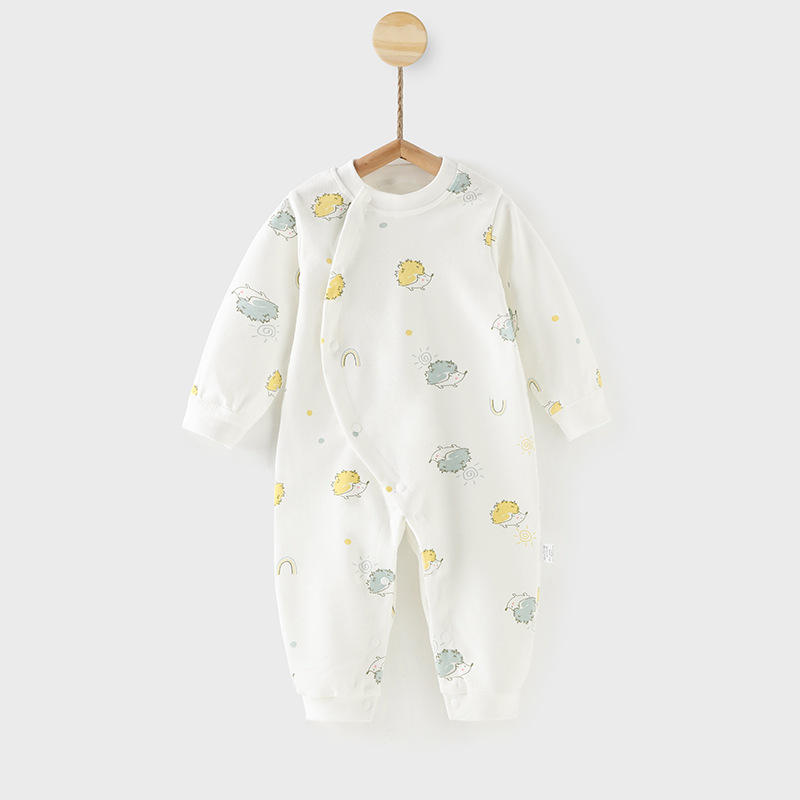
Sewing Precision: The Cornerstone of Quality
The sewing precision in baby onesies is a significant determinant of both aesthetic and functional quality. Retailers and wholesalers should consider several factors to guarantee that their garments meet the highest industry standards.
Stitch Types and Techniques
To build garments that are durable and resilient, an understanding of stitch types and techniques is fundamental. The most common stitches used in baby onesies include the overlock stitch, the lockstitch, and coverstitch. Each serves a unique purpose, from securing seams tightly to allowing stretch in knit fabrics.
For instance, an overlock stitch is often employed for its ability to encase the raw edges entirely, thereby preventing fraying and maintaining the fabric's integrity. This type of stitch, combined with reinforced seams, adds to the robustness of the garment, especially when subjected to the rigors of washing and wear.
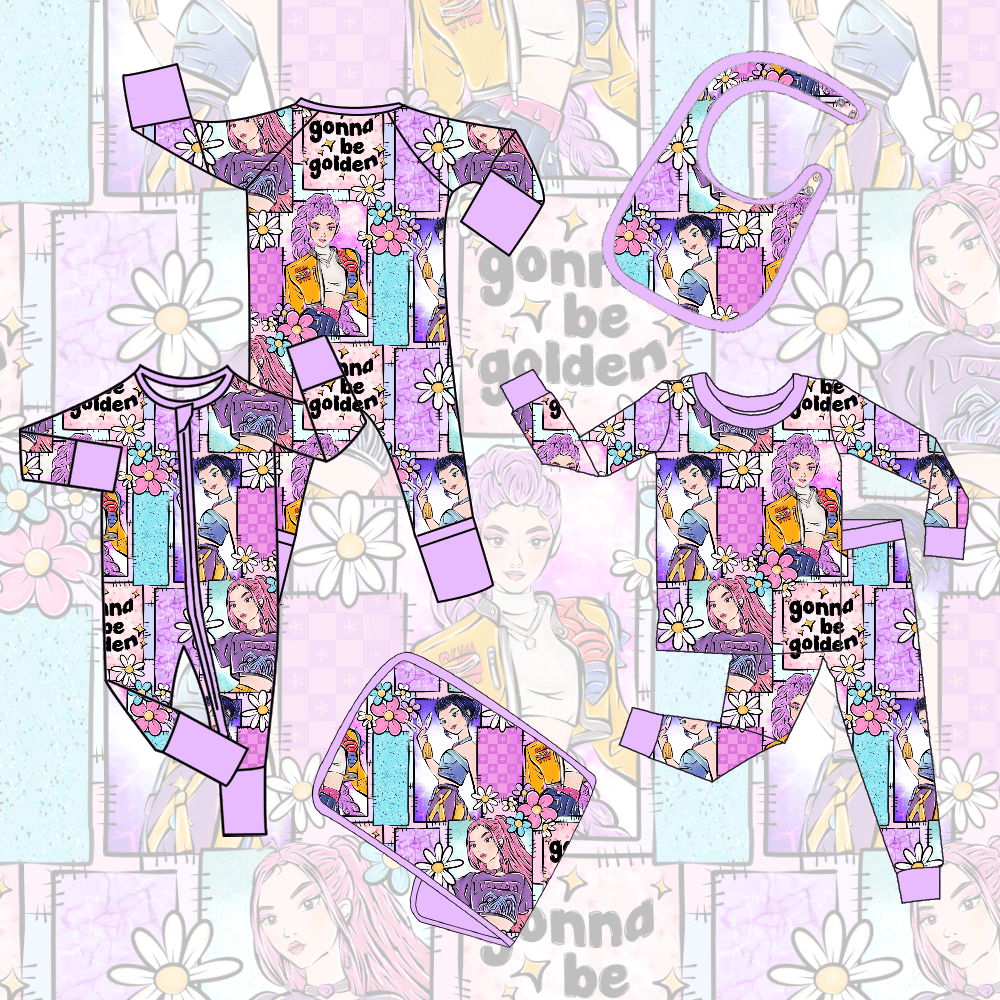
Thread Quality and Selection
The choice of thread can greatly influence the final product’s durability. Polyester threads are commonly used in baby onesies for their strength and elasticity. They are less prone to breakage compared to cotton threads and withstand the demands of frequent laundering.
A high-quality thread also minimizes the risk of seam failure. It is crucial that wholesalers ensure their manufacturing partners use threads that match the fabric's stretch properties, especially when dealing with stretchy knit materials typical of baby onesies.
Structural Durability: Building Longevity Into Garments
Beyond sewing precision, the structural durability of a baby onesie is paramount. Parents demand clothing that can withstand active movements and repeated washing, without losing shape or comfort.
Fabric Selection
The choice of fabric significantly impacts the garment’s resilience. Cotton is a popular choice for baby onesies due to its softness and breathability. However, including a percentage of spandex or elastane enhances its elasticity and ability to return to shape after stretching, a necessary feature for an active infant.
Organically sourced fabrics, although often at a higher price point, continue to gain traction for their hypoallergenic properties and environmentally friendly cultivation methods. Wholesalers catering to niche markets that prioritize organic clothing will find this an attractive option.
Design Features That Enhance Durability
Incorporating specific design features can enhance the durability of a baby onesie. For instance, reinforced snap closures not only make securing the garment easy for the wearer but also improve longevity by reducing stress on fabric when repeatedly opened and closed.
, flatlock seams, although more challenging to produce, offer increased strength and comfort, reducing the possibility of seam irritation on a baby’s delicate skin. This method also enhances the garment’s aesthetic, giving it a polished, high-quality appearance that appeals to discerning buyers.
Quality Control: Essential Practices for Wholesale Success
Implementing rigorous quality control protocols is essential for wholesalers to establish trust and reliability within the competitive market landscape. These measures help identify defects early in the production process and ensure consistent product quality.
Inspection Procedures
Developing specific inspection procedures allows for systematic checks at various stages of production. From initial fabric inspection to final product evaluation, each step should involve thorough checks for consistency in stitch length, seam alignment, and freedom from defects such as puckering or uneven patterns.
Technicians must be trained to recognize errors swiftly and to implement corrective actions without delaying production schedules. Investing in automated inspection technology can further enhance precision and reliability.
Testing for Durability
Testing baby onesies for durability involves subjecting the garments to simulations of real-world use conditions. This includes repeated washing, exposure to stretching, and assessment under varying temperature and humidity levels.
Results from these tests provide crucial data on wearability, shrinkage, and resistance to fading. Applying statistical analysis to these findings enables wholesalers to refine production processes, ensuring each batch meets predetermined quality standards.
: Achieving Excellence in Baby Onesie Wholesale
Excellence in baby onesie wholesale is achieved through a blend of technical expertise and continuous improvement. Emphasizing sewing precision and structural durability drives a reputation for quality and reliability.
With detailed attention to stitch types, thread quality, and fabric selection, along with robust quality control measures, wholesalers can deliver products that exceed customer expectations. In doing so, businesses not only secure market position but also foster long-term relationships with buyers, laying the groundwork for sustained success in the ever-growing baby apparel industry.
| Fabric Type | Organic Bamboo |
| Compliance | CPC Certified |
| Customization | ODM |
| Lead Time | 24 Days |