Oekotex 100 Baby Boutique Clothes Wholesale Private Label Manufacturer
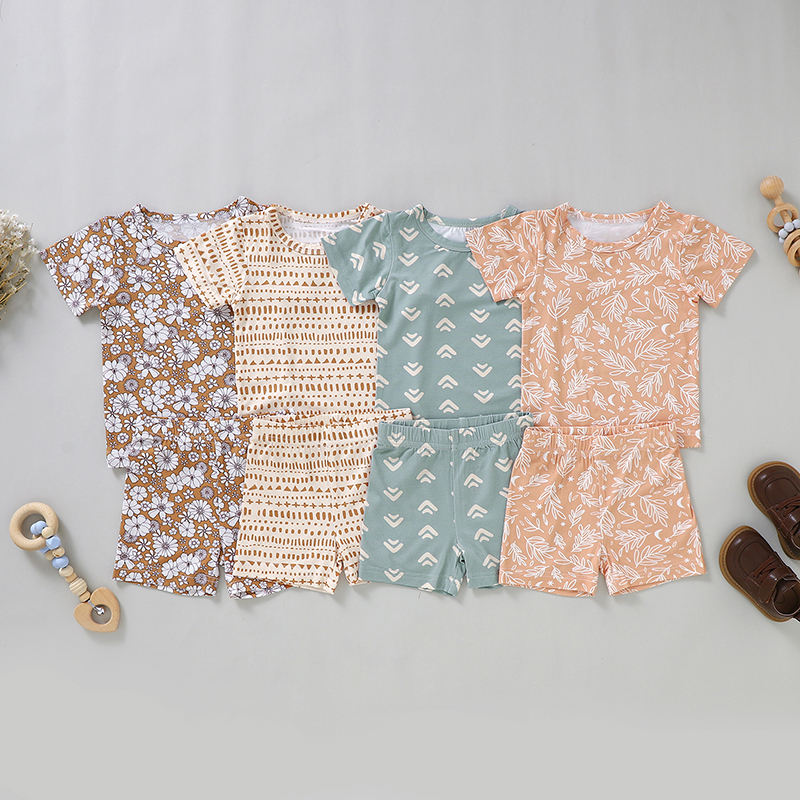
Introduction to Baby Boutique Clothes Wholesale
In the competitive world of baby boutique clothes wholesale, businesses seek to distinguish themselves through unmatched quality and durability. Beyond aesthetics, the precision in sewing and structural integrity are paramount. This article delves into the technicalities of producing superior baby clothing, touching upon the materials and techniques that ensure both safety and style.

Understanding Sewing Precision in Baby Clothing
Sewing precision is critical for ensuring the comfort and safety of baby clothing. For wholesalers, it is imperative to source clothing that upholds high standards of craftsmanship. Precision impacts not only the garment's appearance but its functionality and durability. In baby clothing, every stitch counts.
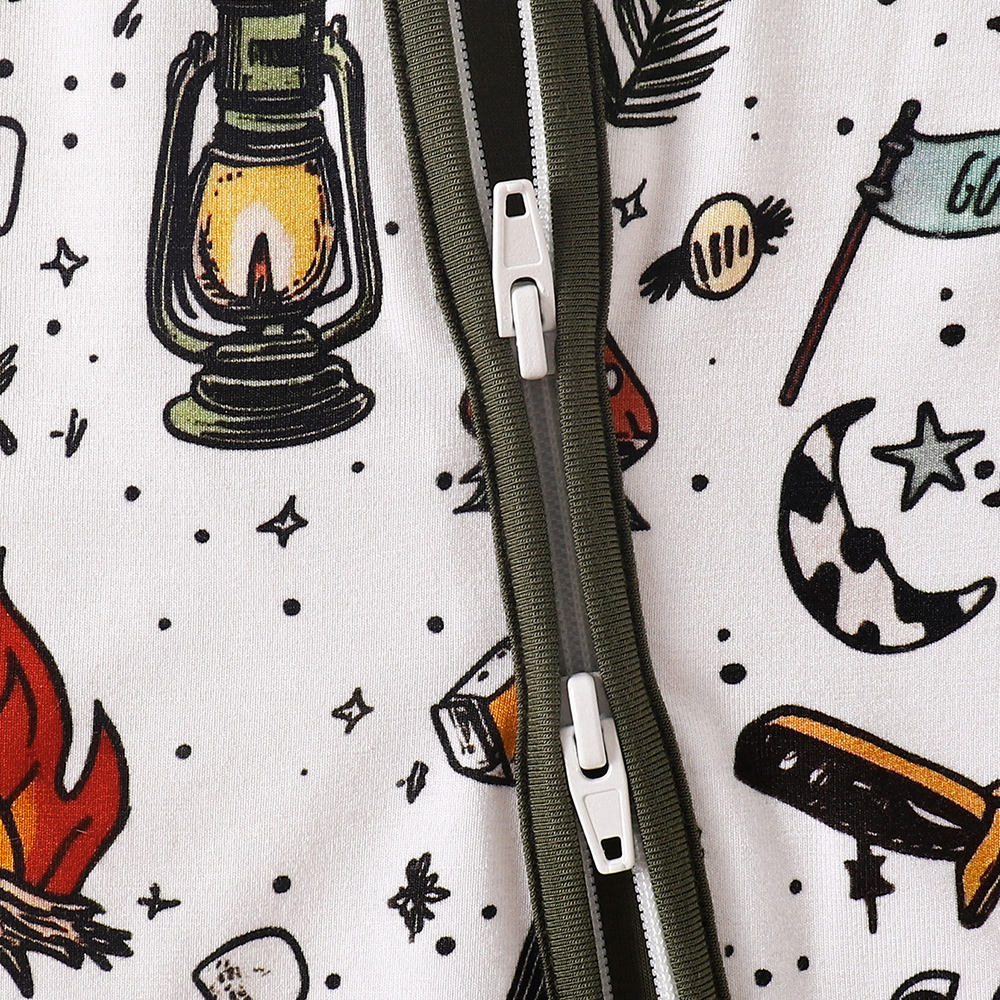
Advanced sewing techniques such as overlocking and flat-lock stitching help produce seamless garments that minimize friction against the baby's delicate skin. Investing in technologies that offer stitched consistency is crucial for maintaining the fabric's integrity during wear and wash cycles.
The Role of Structural Durability
Structural durability is equally important. Baby clothes face frequent laundering and daily wear, necessitating construction that withstands repeated stress. Reinforced seams, double stitching, and quality fasteners are essential components in enhancing a garment’s longevity.
The use of high-tensile strength threads and durable fabrics such as organic cotton and bamboo fiber not only extend the life of baby clothes but also cater to eco-conscious consumers seeking sustainable products. For wholesalers, offering durable options can be a significant selling point in today's market.
Key Materials in Baby Clothing Production
Selecting appropriate materials is foundational to producing quality baby clothes. Key materials include:
- Organic Cotton: Hypoallergenic and breathable, it is perfect for sensitive skin.
- Bamboo Fiber: Offers natural moisture-wicking properties and is biodegradable, appealing to eco-friendly consumers.
- Modal Fiber: Known for its softness and resistance to shrinkage.
Wholesalers should consider these materials not only for their benefits but also for their popularity and demand in the boutique market.
Innovations in Sewing and Structural Design
Technological advancements have significantly influenced sewing and structural design in baby clothing production. Automated sewing machinery ensures uniformity and precision, which is difficult to achieve manually. Incorporating technologies such as 3D knitting can reduce waste and increase production efficiency.
Additionally, digital design tools allow for accurate pattern creation that optimizes material usage and enhances fit. For wholesalers, partnering with manufacturers leveraging these innovations can mean higher-quality products that meet modern standards.
Ensuring Compliance and Safety Standards
Compliance with safety standards is non-negotiable in the baby clothing industry. Wholesalers must ensure that all products meet the Consumer Product Safety Improvement Act (CPSIA) requirements, which mandate testing for harmful chemicals and secure construction to prevent hazards like choking or entanglement.
Sourcing from suppliers who prioritize safety testing and have certification assures retail partners of product reliability. Such diligence not only safeguards the end consumer but also enhances the wholesaler's reputation within the industry.
| Fabric Type | Pima Cotton |
| Compliance | CPC Certified |
| Customization | Private Label |
| Lead Time | 32 Days |

: The Future of Baby Boutique Clothing Wholesale
As the demand for high-quality, durable, and safe baby clothing increases, wholesalers have a unique opportunity to stand out by focusing on precision in sewing and structural durability. By prioritizing these aspects, businesses can not only meet but exceed market expectations, building a brand that is synonymous with quality and trust.
Embracing sustainable materials and innovative production technologies will further strengthen a wholesaler's position in the competitive boutique market. By aligning their offerings with modern consumer values, wholesalers ensure long-term success and industry relevance.