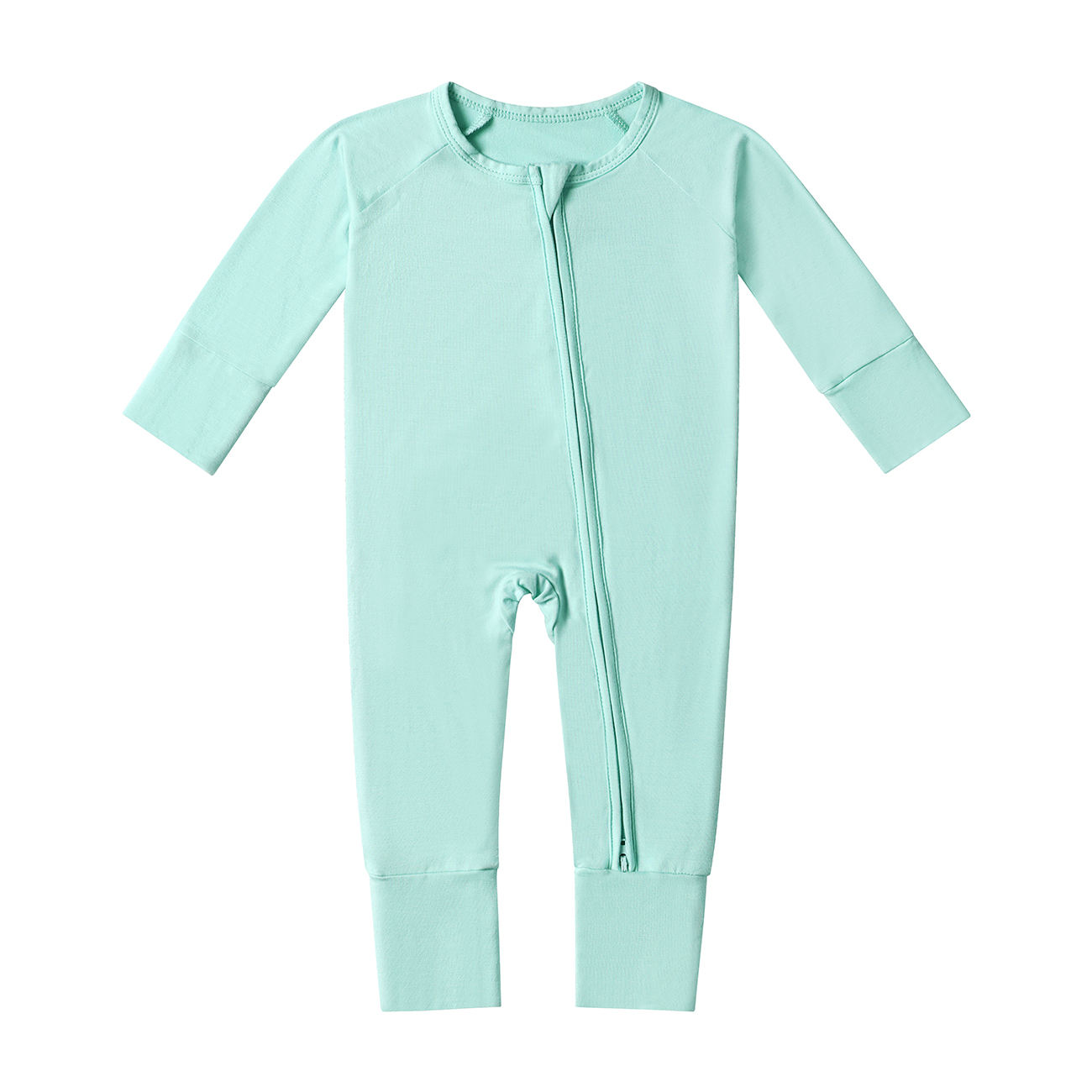
Oekotex 100 Bulk Of Baby Onesies Bespoke Factory
Exploring the Bulk Production of Baby Onesies: Precision and Durability
In the competitive landscape of garment production, baby onesies stand as essential items that require meticulous attention to detail and craftsmanship. The process of manufacturing these seemingly simple garments involves a deep understanding of sewing techniques, quality control measures, and material selection. This article delves into the technical aspects of producing baby onesies in bulk, focusing on sewing precision and structural durability, which are critical parameters for businesses looking to excel in the children's apparel industry.
The Importance of Sewing Precision in Baby Onesies
Sewing precision is paramount in the production of baby onesies. With delicate and sensitive skin, infants require garments that are free from errors, loose threading, and uncomfortable seams. Precision in sewing ensures that each garment meets the high standards expected by parents and retailers alike.
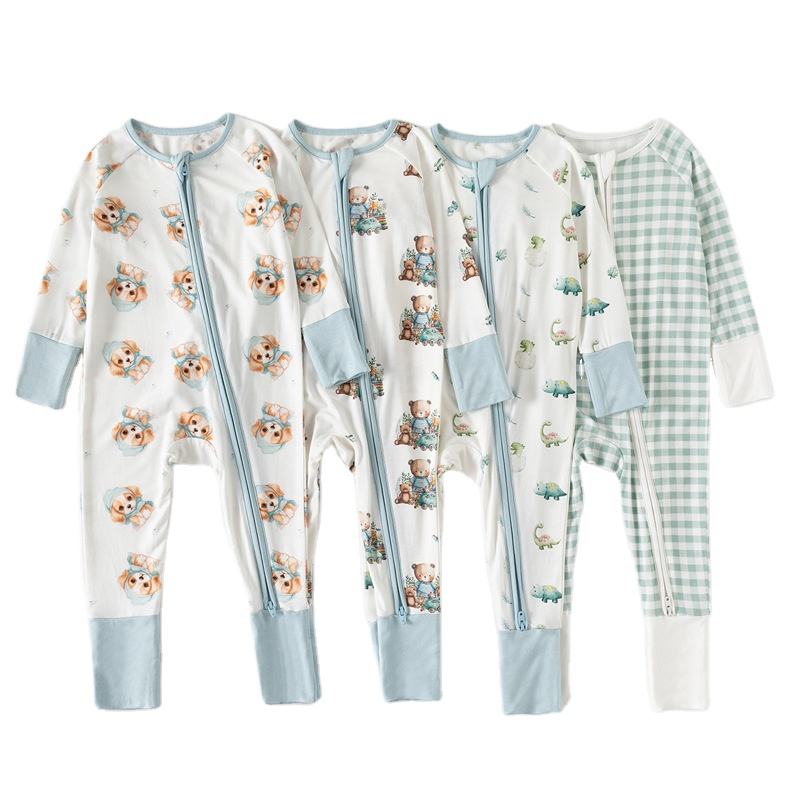
To achieve precision, manufacturers must employ advanced machinery equipped with programmable settings that ensure uniform stitch length and tension. Computerized sewing machines allow technicians to create consistent patterns, reducing human error and boosting production efficiency. Utilizing CAD (Computer-Aided Design) and CAM (Computer-Aided Manufacturing) systems can further enhance precision by converting detailed digital designs into tangible products seamlessly.
Structural Durability: Materials and Techniques
When discussing structural durability, the choice of fabric plays a crucial role. Baby onesies must withstand frequent washing and wear while maintaining their shape and integrity. Cotton is the preferred material due to its softness, breathability, and hypoallergenic properties. However, incorporating a small percentage of elastane or spandex can improve stretchability and fit.
The construction of a baby onesie must be robust yet flexible, allowing for movement without compromising durability. Techniques such as reinforced stitching at stress points, including the shoulders and snaps, ensure longevity. Overlocking seams prevent fraying, while flatlock stitching offers a smooth finish that minimizes abrasion.
Quality Control Measures in Bulk Production
Maintaining quality during bulk production requires stringent quality control protocols. Each batch of baby onesies must undergo thorough inspection to identify defects such as uneven stitching, incorrect sizing, or fabric inconsistencies. Implementation of standardized checkpoints during the manufacturing process helps catch discrepancies early, reducing waste and enhancing quality.
Leveraging technology, businesses can incorporate automated inspection systems that detect imperfections using high-resolution cameras and sensors. These systems can scan for anomalies in stitching patterns, color discrepancies, and fabric flaws, ensuring only the highest quality products reach the market.
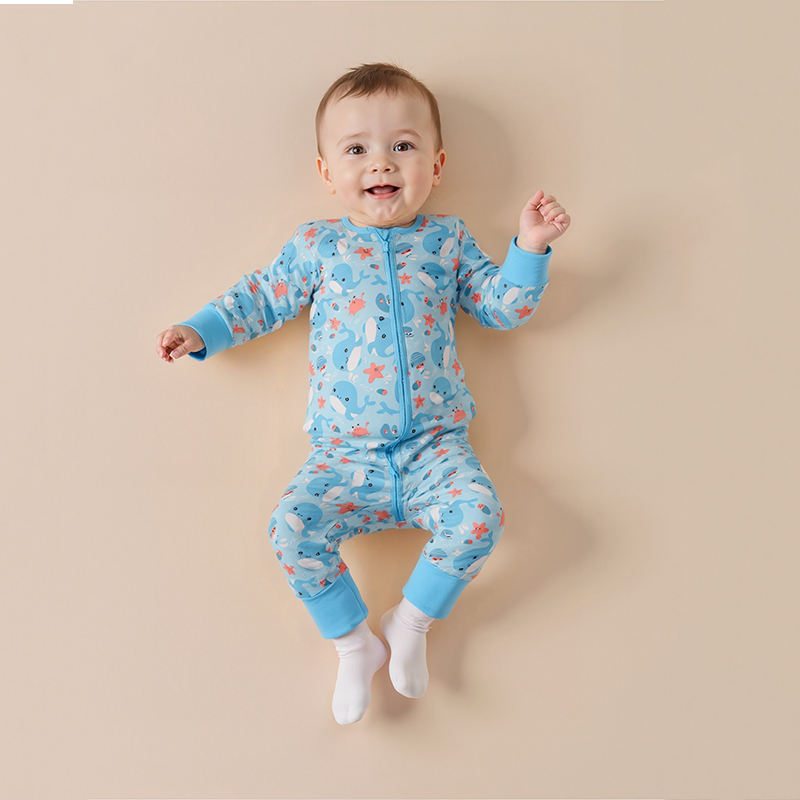
| Fabric Type | Pima Cotton |
| Compliance | CPSIA Compliant |
| Customization | Custom |
| Lead Time | 28 Days |
Challenges and Solutions in Scaling Production
Scaling the production of baby onesies poses several challenges, including maintaining consistency, equipment management, and labor skill variation. As demand grows, ensuring that each product meets defined standards becomes more complex.
To overcome these challenges, businesses can invest in employee training programs focusing on sewing precision and quality control techniques. Offering workshops and training sessions on new technologies can empower the workforce to handle modern equipment efficiently, minimizing error rates and maximizing productivity.
Additionally, implementing a robust inventory management system is crucial for tracking production metrics, managing supply chains, and forecasting demand accurately. Such systems can facilitate streamlined operations, ensuring that raw materials and finished products are available in sync with market needs.
The bulk production of baby onesies requires a nuanced approach to ensure sewing precision and structural durability. By employing advanced sewing techniques, selecting appropriate materials, and maintaining rigorous quality control processes, businesses can produce high-quality garments that meet consumer expectations. Addressing challenges through strategic investments in technology and workforce development can pave the way for sustainable growth in the children's apparel sector.
As enterprises navigate the intricate landscape of bulk baby onesie production, focusing on technical excellence will distinguish them in a competitive market, providing value that resonates with both retailers and parents seeking the best for their little ones.