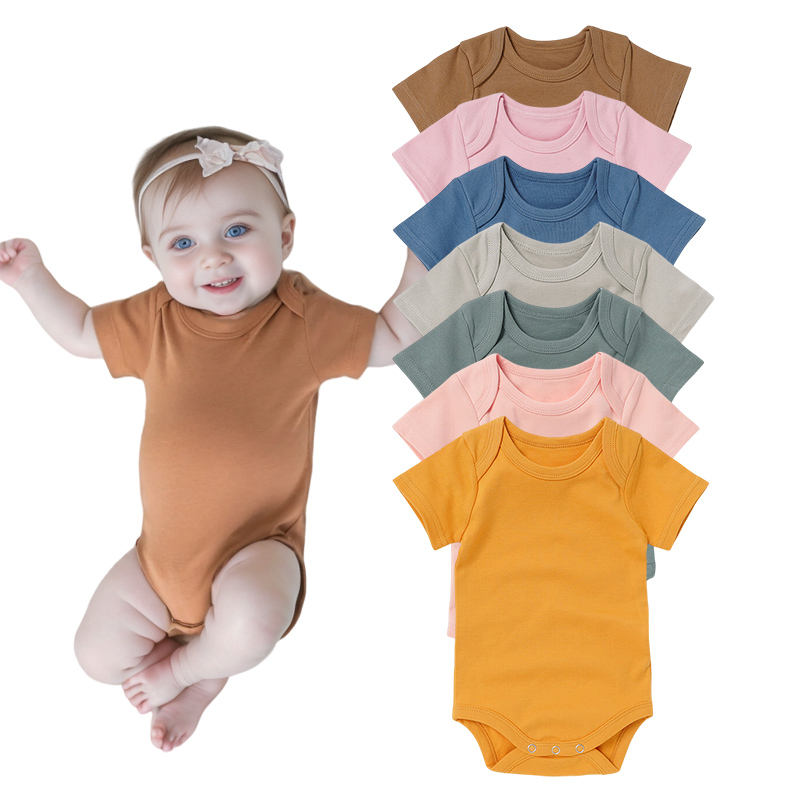
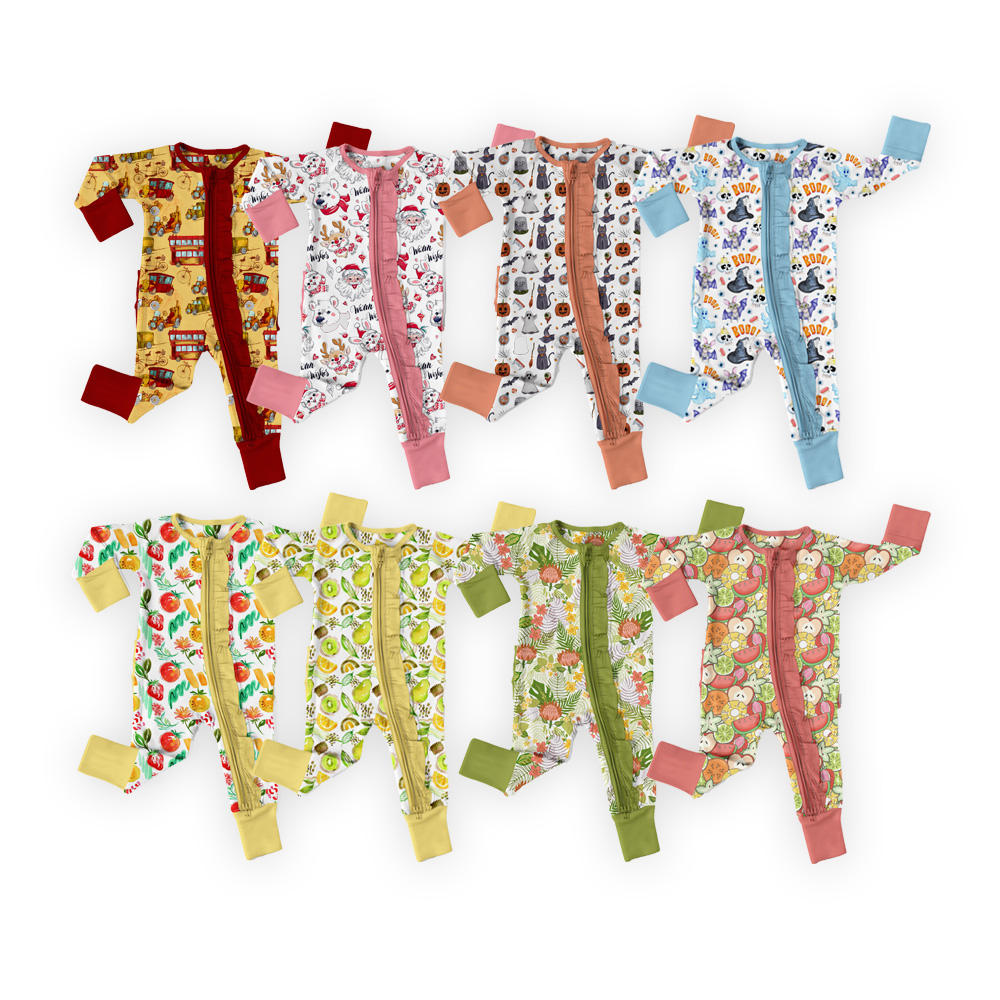
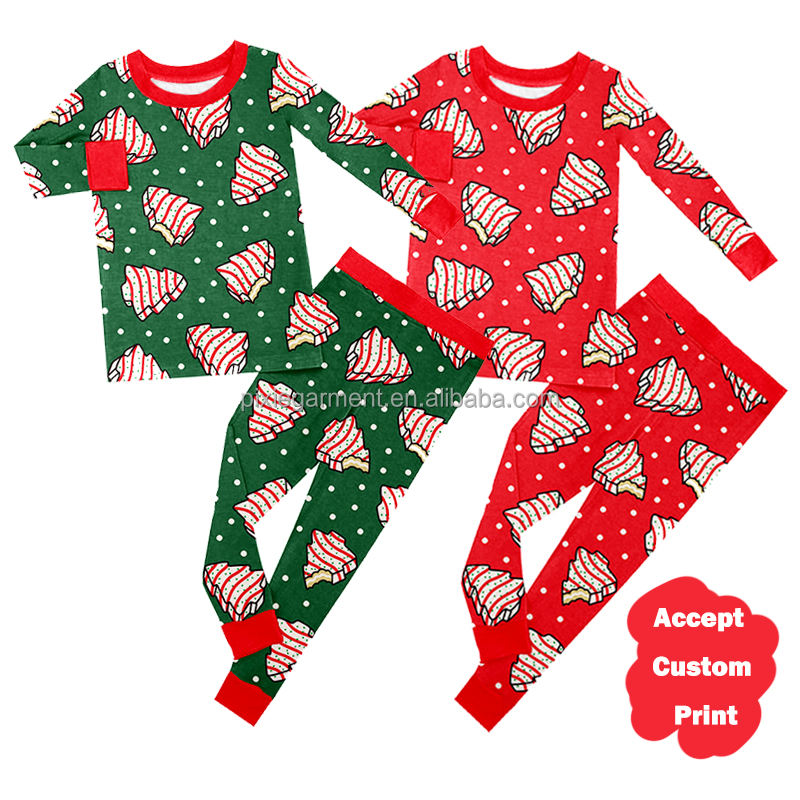
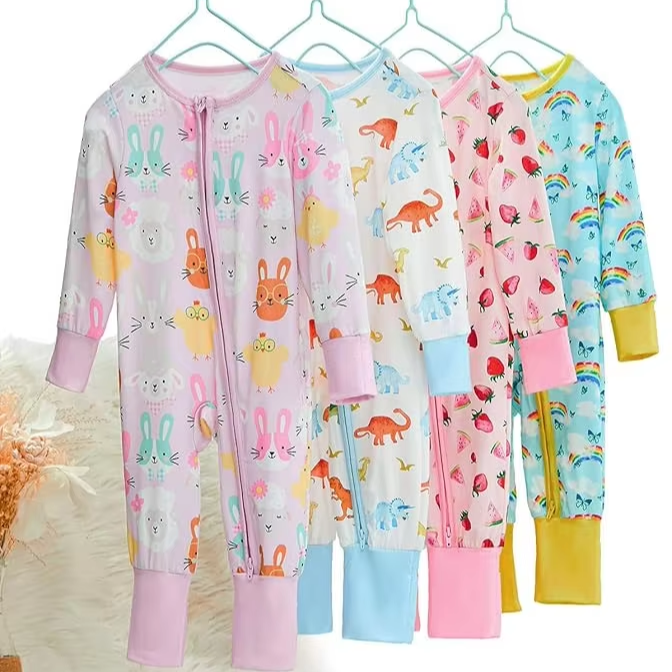
Oekotex 100 Bulk Onesies Odm Factory
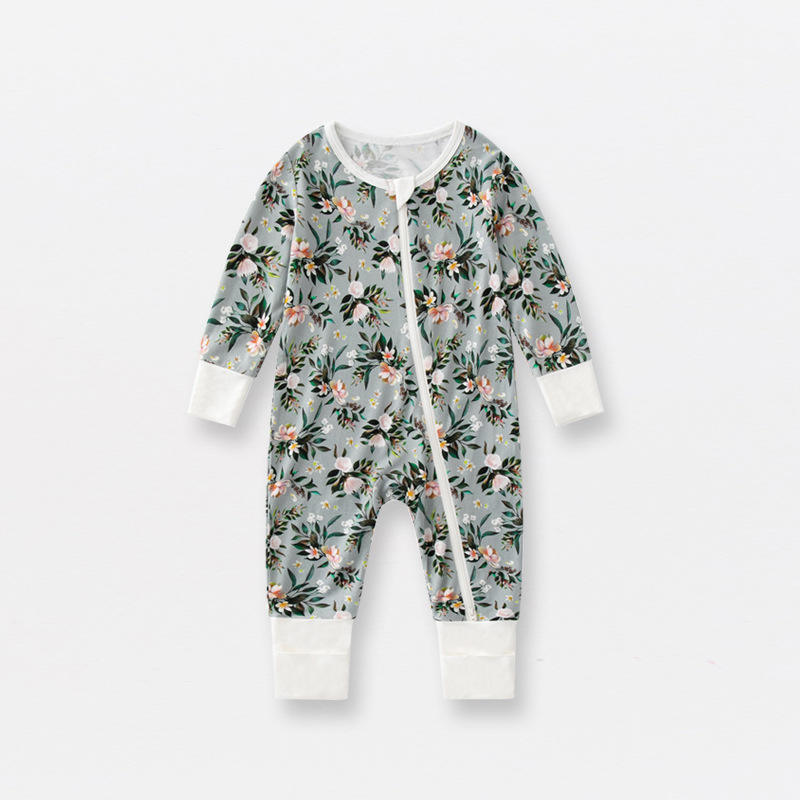
Bulk Onesies: Precision Sewing and Structural Durability
In the competitive world of garment manufacturing, bulk production of onesies presents unique challenges and opportunities, particularly in the realms of sewing precision and structural durability. Onesies, often associated with comfort and versatility, are in high demand from retail chains, promotional companies, and specialty boutiques. Meeting this demand efficiently, without sacrificing quality, is essential for B2B manufacturers looking to optimize their production lines.

Understanding the Market Demand for Bulk Onesies
The market for onesies, driven by trends in fashion and comfort, necessitates production at scale. Bulk production is not merely about quantity; it's about maintaining consistency and quality across thousands of units. The demand for onesies spans various sectors, from baby apparel to adult leisurewear, each with unique requirements and consumer expectations.
Retail chains often seek designs that combine contemporary fashion trends with functionality. Promotional companies prioritize branding space and customization potential. Specialty boutiques may focus on niche designs that cater to specific aesthetics. Understanding these demands allows manufacturers to tailor their processes for maximum impact.
The Role of Precision Sewing in Onesie Production
Precision sewing is foundational in producing high-quality onesies. Each stitch must be meticulously placed to ensure that the final product is both visually appealing and robust. The margin for error in sewing can lead to significant issues such as poor fit, compromised durability, and reduced consumer satisfaction, which can adversely affect B2B relationships.
Sewing precision involves several critical components:
- Machine Calibration: Regular maintenance and calibration of sewing machines ensure that every stitch is uniform. Advanced machines with computerized controls can automatically adjust tension and speed, resulting in consistent output.
- Pattern Consistency: Precisely cut fabric patterns are essential for seamless assembly. Automated cutting systems combined with laser guides ensure each piece aligns perfectly, reducing time spent on adjustments during sewing.
- Skillful Workforce: Skilled seamstresses trained in handling a variety of fabrics play a crucial role. Their expertise ensures that adjustments and corrections are made swiftly, maintaining the flow of production.
Ensuring Structural Durability in Bulk Onesies
The cornerstone of a durable onesie lies in the interplay of design integrity and material choice. Structural durability is a key selling point for onesies, particularly given their intended use as leisurewear or active apparel. A well-constructed onesie will withstand repeated wear and washing, preserving its shape and function.
To achieve structural durability:
| Fabric Type | Pima Cotton |
| Compliance | CPSIA Compliant |
| Customization | Bespoke |
| Lead Time | 17 Days |
- Material Selection: Choosing the right materials, such as cotton blends or polyester for different use cases, affects the garment's strength and comfort. Advanced textiles that offer elasticity and breathability can enhance durability.
- Reinforced Seams: Critical stress points, like underarms and crotches, should feature reinforced seams. Using double-stitching or interlocking seams ensures added security against wear and tear.
- Quality Control: Implementing rigorous quality checks at each production stage helps identify potential weak spots in the garment. Technologies such as ultrasonic testing and tensile strength measurement can be employed for this purpose.
Optimizing Production for Cost-Effectiveness and Quality
Optimized production processes contribute significantly to a manufacturer's success in the B2B marketplace. Balancing cost-effectiveness with quality assurance is crucial. The integration of technology and efficient workflow design can lead to substantial enhancements in production efficiency, reducing waste and increasing output.
Key strategies for optimization include:


- Automation: Automated systems not only improve precision but also speed up the production process. From fabric cutting to packaging, automation reduces the labor required and minimizes human error.
- Lean Manufacturing: Applying lean principles, such as minimizing waste and maximizing resource utilization, can streamline processes, ensuring high-quality outputs at reduced costs.
- Supply Chain Collaboration: Collaborating closely with suppliers ensures timely access to high-quality materials at competitive prices. Strong supplier relationships can also lead to innovations in fabric technologies.
, the bulk production of onesies requires a concerted focus on sewing precision and structural durability to meet market expectations and maintain competitive edge. By prioritizing high-quality craftsmanship and optimizing processes through technology and collaboration, manufacturers can confidently deliver products that satisfy the diverse needs of their business clients. Embracing these technical capabilities ensures that the onesie remains a staple in leisurewear, ready to adapt to both current and future fashion trends.