Oem Baby Clothes In Bulk Oekotex 100 Wholesale
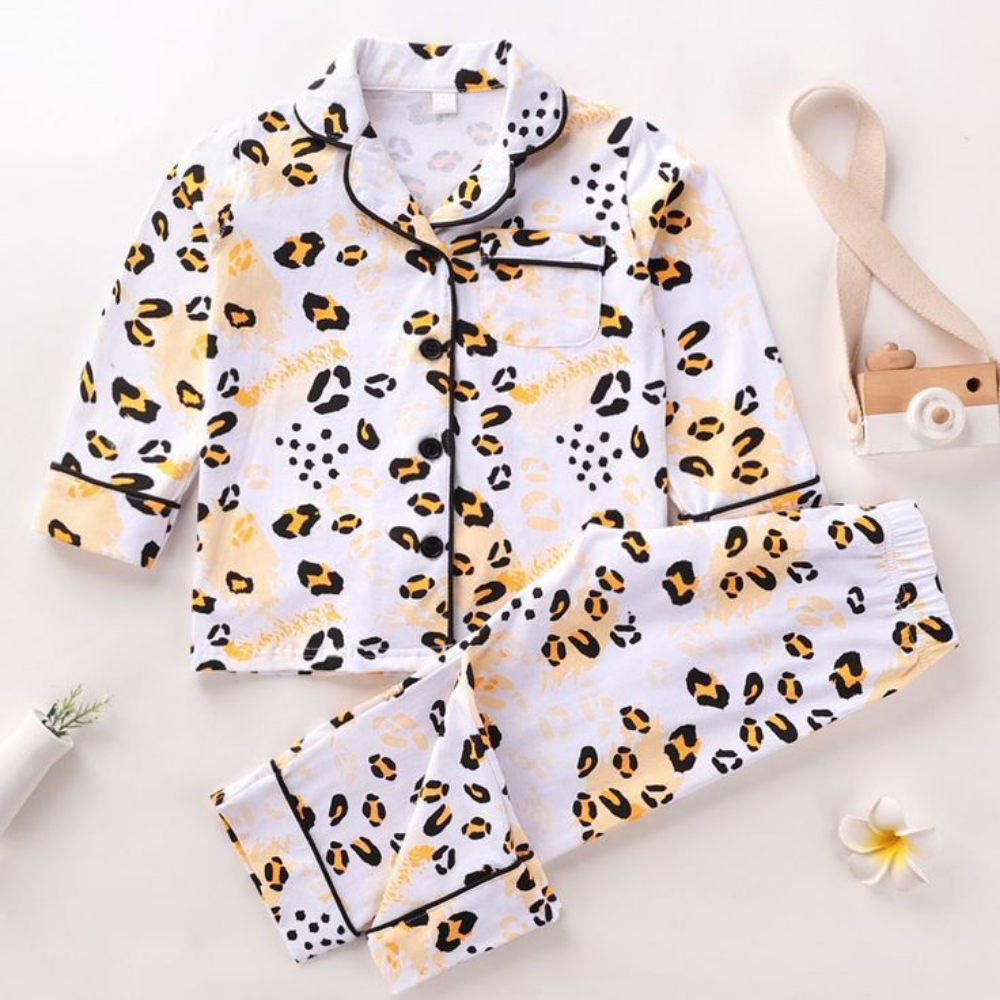
Quality Considerations in Bulk Manufacturing of Baby Clothes
In the competitive landscape of baby clothing manufacturing, precision sewing and structural durability stand as pillars of quality. When suppliers and retailers consider sourcing baby clothes in bulk, it's essential to assure customers of the product's quality on every technical level. This deep dive into the world of bulk baby clothing highlights how precision and durability underpin successful product offerings.

Precision Sewing Techniques
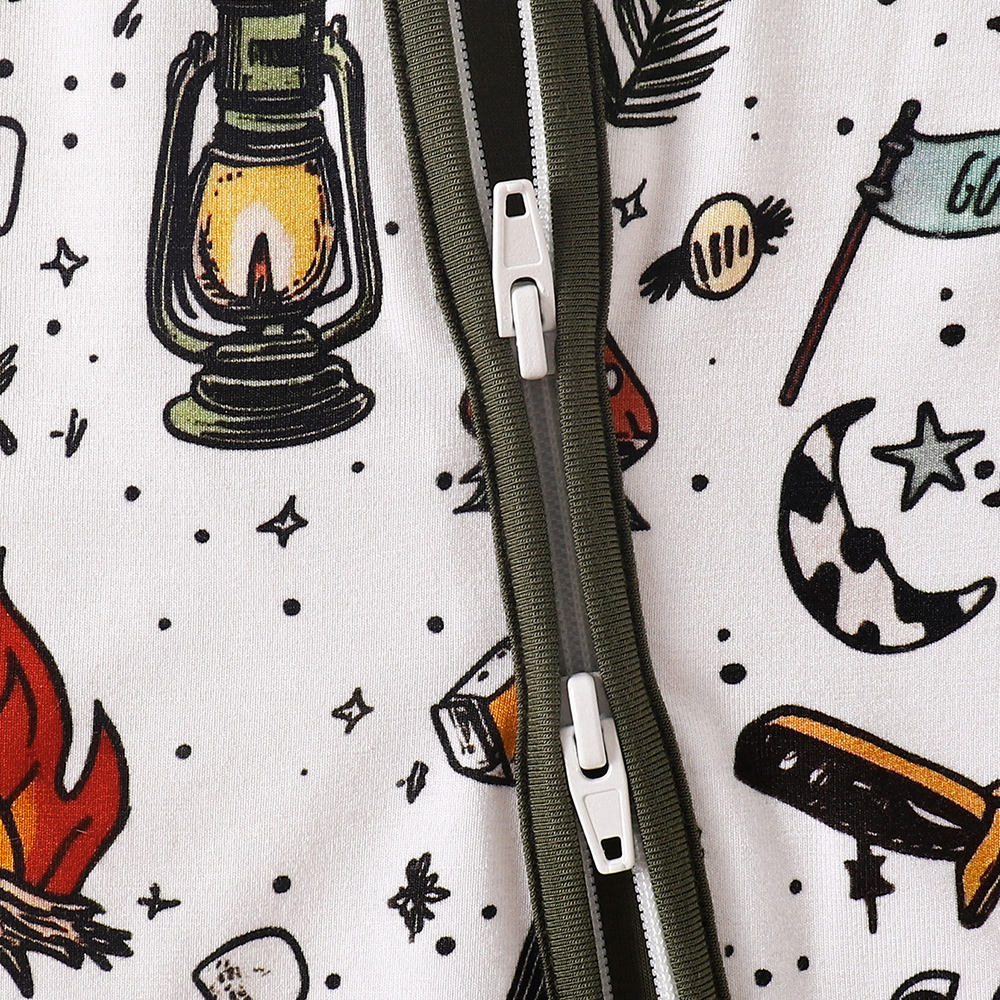
Precision in sewing is non-negotiable in the production of baby clothes. The sensitivity of a baby’s skin necessitates smooth, secure seams that prevent irritation. To achieve this, manufacturers employ techniques such as flat-felled seams or French seams. These seams not only provide a neat and professional finish but also add a layer of strength to the fabric, crucial for withstanding the rigorous demands of baby wear.
Automated stitching technology enhances precision sewing, ensuring consistency across large production runs. Advanced sewing machines equipped with camera systems detect inconsistencies, enabling real-time adjustments. This technology minimizes human error and provides unparalleled precision in each garment. As a result, bulk orders maintain uniform quality, offering peace of mind to retailers.
Material Selection and Structural Integrity
The choice of fabric plays an integral role in the structural durability of baby clothes. Organic cotton, renowned for its softness and breathability, is a popular choice. However, combining cotton with synthetic fibers like polyester can enhance durability and shape retention. Manufacturers often utilize double-layer constructions to improve the garment’s structural integrity, ensuring the clothes withstand frequent washes and sustained wear.
, reinforcing key stress points such as shoulder seams and snap closures with interlocking stitching or bar tacking enhances durability. When baby garments are produced in bulk, oversight in reinforcement details can lead to returns and customer dissatisfaction. Hence, a deliberate focus on structural reinforcement during the design phase is essential for longevity.
Quality Assurance and Compliance
Ensuring the highest quality in bulk production necessitates rigorous quality assurance processes. Manufacturers implement multiple inspection stages, from fabric pre-checks to post-production evaluations. Automated inspection systems may use high-speed cameras to identify defects like skipped stitches or fabric inconsistencies.
Additionally, compliance with international safety standards, such as those outlined by the Consumer Product Safety Commission (CPSC) in the U.S., ensures that baby clothes are free from harmful substances and are safe for infant wear. Certifications such as OEKO-TEX® Standard 100 guarantee that textiles are tested for harmful substances, giving retailers an assurance of safety and quality for bulk purchases.
Supply Chain and Logistics
Coordinating the supply chain efficiently impacts the ability to deliver baby clothes in bulk without compromising on quality. Streamlined logistics reduce lead times and enable quick responses to market demands. Manufacturers often invest in sophisticated forecasting systems that predict demand patterns, allowing for optimized inventory management.
Partnerships with reliable logistics providers ensure that bulk shipments are handled with care, reducing the risk of damage during transit. Specialty packaging solutions can also prevent damage, such as protective wrapping for delicate garments, maintaining the quality from manufacturing facilities to retail shelves.
Innovations in Sustainable Production
As sustainability becomes a critical consideration, innovations in sustainable production are transforming how baby clothes are manufactured in bulk. From eco-friendly dyeing processes to using recycled or sustainably sourced materials, manufacturers are increasingly adopting green practices that appeal to environmentally conscious retailers.

Technologies that reduce water and energy consumption during production not only lower manufacturing costs but also decrease the environmental footprint. These sustainable practices can be a significant selling point for retailers seeking to align with consumer preferences towards eco-friendly products.
, sourcing baby clothes in bulk requires a meticulous approach to precision, durability, and innovation. By focusing on advanced sewing techniques, rigorous quality assurance, and sustainable manufacturing, suppliers can ensure that their bulk offerings meet the high standards demanded by today’s market. This holistic focus on quality not only enhances the reputation of manufacturers but also builds trust and satisfaction among retailers and, ultimately, consumers.
| Fabric Type | Organic Bamboo |
| Compliance | CPSIA Compliant |
| Customization | Tailor-made |
| Lead Time | 21 Days |