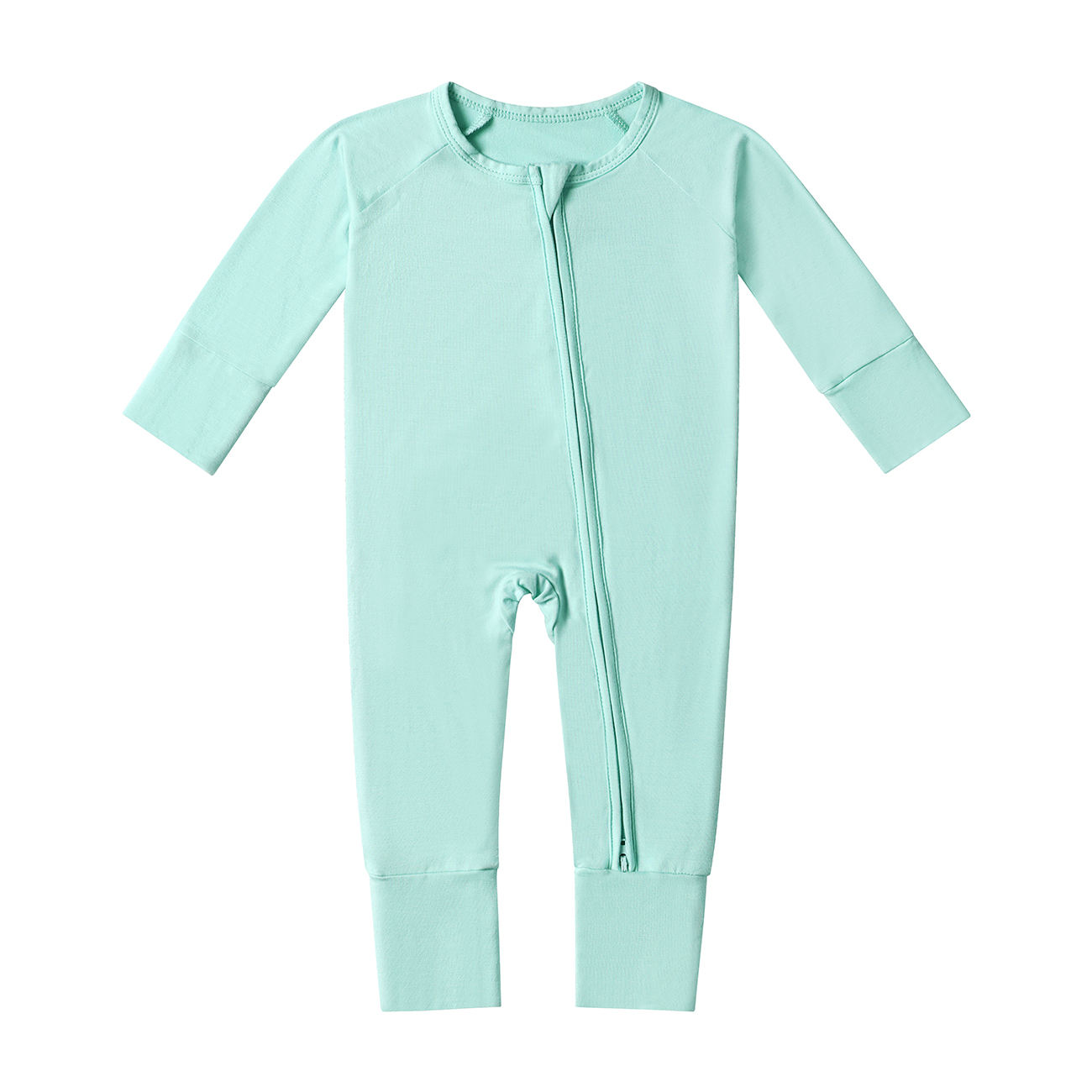
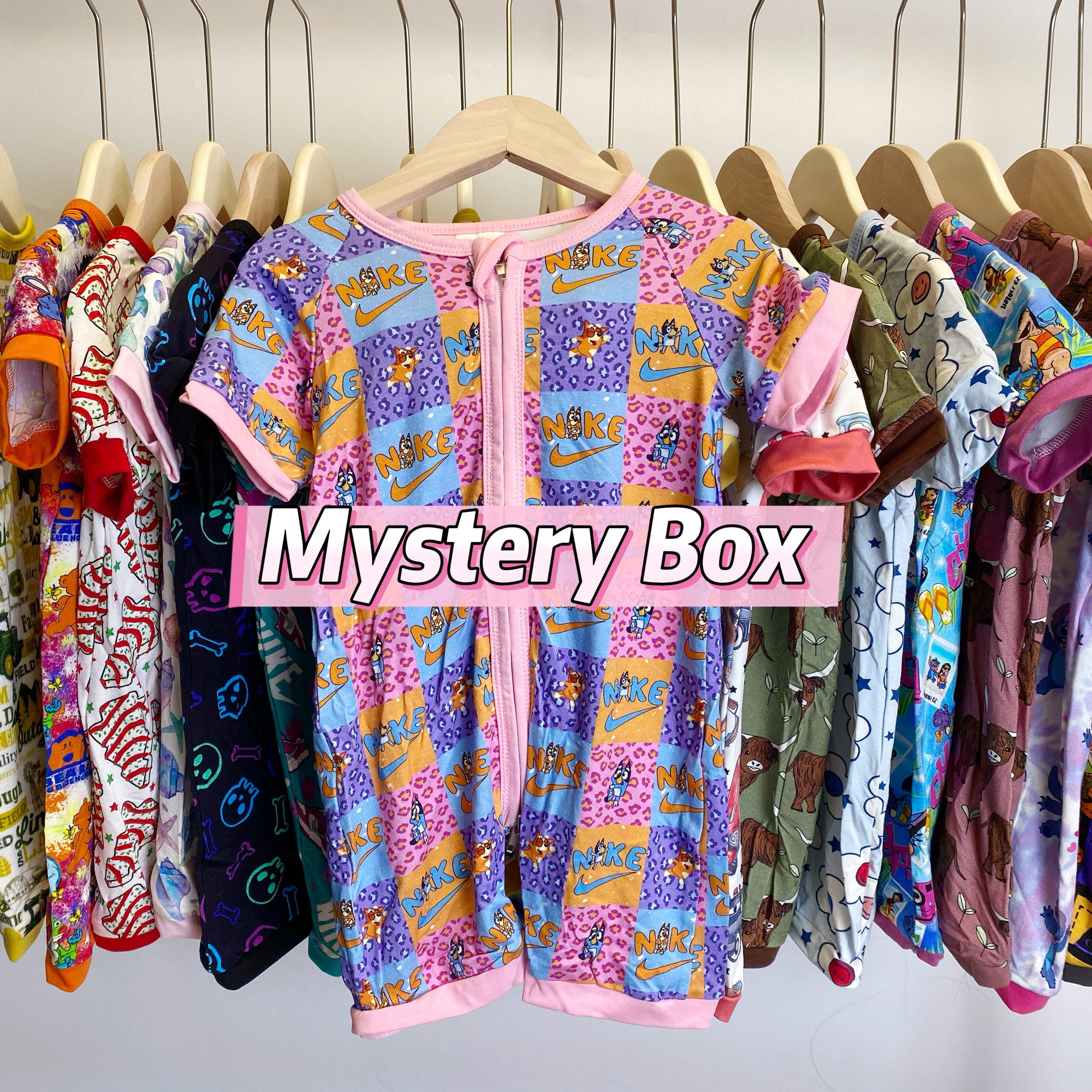
Private Label Baby Clothes Manufacturers In India Oekotex 100 Vendor

The Manufacturing Landscape: Baby Clothes in India
India’s textiles and garments industry is one of the oldest industries in the country’s economy, renowned for its diversity, quality, and cost-effectiveness. This growth has naturally extended to the niche area of baby clothes manufacturing. As demand for sustainable, comfortable, and durable baby garments increases, manufacturers in India are capitalizing on innovative technologies and practices focused on precision sewing and structural durability. This article explores the nuanced landscape of baby clothes manufacturing in India, focusing on the technical aspects that ensure quality production.
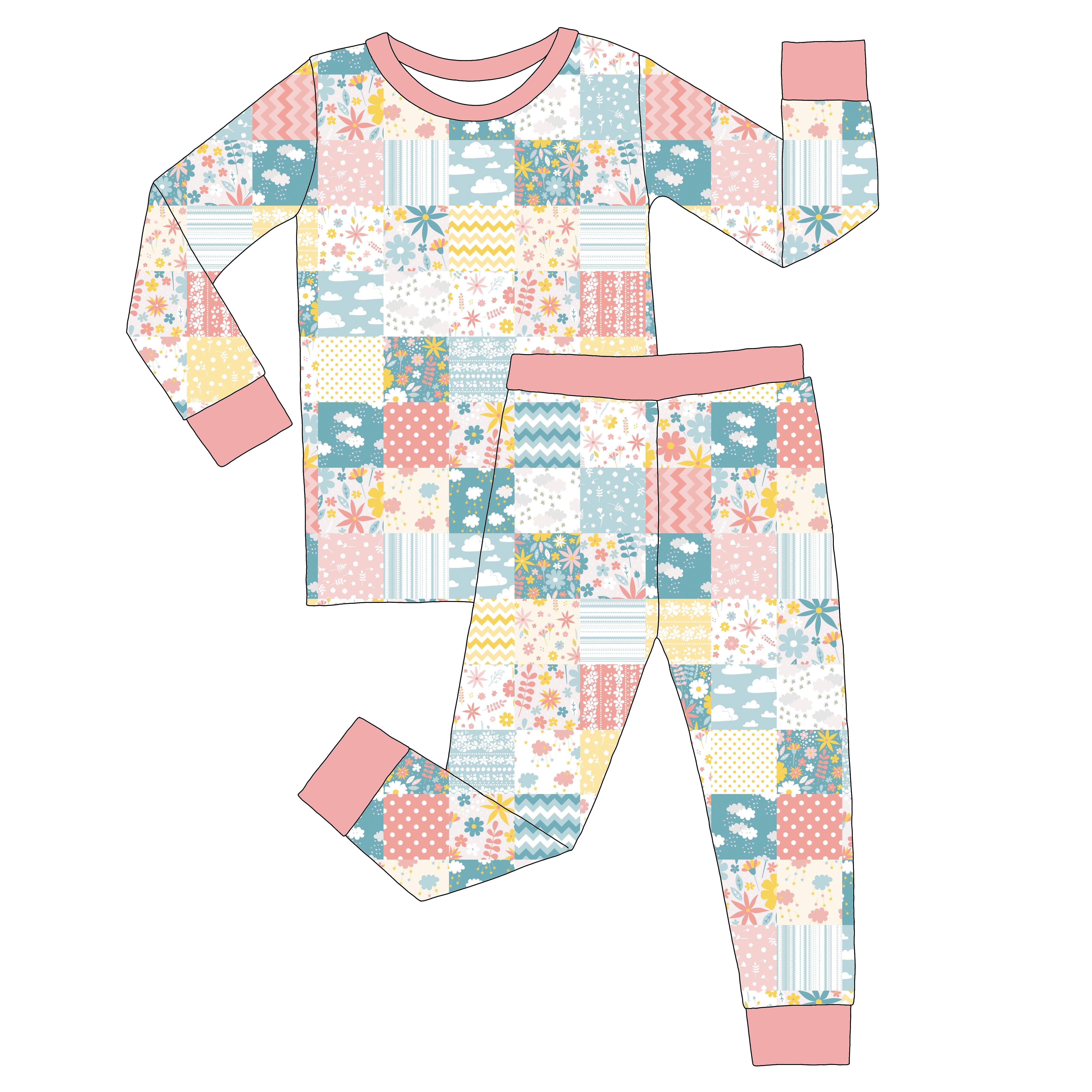
Precision Sewing Techniques in Baby Clothes Manufacturing
The delicate nature of baby clothes requires a heightened level of precision in sewing. The fabrics used are often lightweight, such as cotton, organic cotton, and bamboo blends, which are selected for their breathability and skin-friendly attributes. The challenge lies in handling these materials correctly to ensure both comfort and durability.
Advanced sewing machines play a crucial role in ensuring sewing precision. Indian manufacturers often employ electronic sewing machines, which provide consistent stitch quality and reduce the chances of inconsistencies in the garment. With features like automatic threading and thread tension adjustments, these machines ensure that each stitch is uniform and secure without causing any damage to the fabric.
, techniques such as flatlock stitching, a method that creates a flat seam without bulk, are frequently used. This method not only enhances comfort by preventing chafing but also contributes to the garment's aesthetics by creating a neat finish. These sewing techniques are particularly vital in places such as collars, cuffs, and hems, which require durability due to their frequent use and washing.
Designing for Structural Durability
Structural durability in baby clothes is paramount, considering the active nature of infants and toddlers. Manufacturers in India address this need through strategic design and quality material selection. Starting with fabric choice, Indian manufacturers prioritize high-quality cotton blends, given their durability in repeated wash cycles and resilience against wear and tear.
Reinforced stitching techniques further ensure structural integrity. Designers focus on using double-stitching or bar-tack stitching in areas prone to stress and strain, such as buttons, zippers, and snap closures. This reinforcement helps prevent tear and maintains the garment's form through active movements and frequent laundering.
In addition, Indian manufacturers leverage CAD (Computer-Aided Design) technology to perfect patterns and optimize fabric usage, thus reducing waste and ensuring consistent quality across large batches. Through CAD, potential errors in design are minimized, achieving more precise cuts that contribute to the garment’s durability. By adopting these technologies, manufacturers can produce baby clothing that holds its form and continues to provide comfort over extended periods.
Sustainable Practices in Indian Baby Clothes Manufacturing
With growing global awareness of environmental issues, sustainability is becoming a pivotal concern in textile production. Indian manufacturers are at the forefront, adopting eco-friendly practices that enhance product appeal and reduce environmental impact.
Firstly, sourcing natural and organic fibers is a common practice. This not only benefits the environment but also caters to consumer preferences for baby clothes that are gentle on skin. Organic cotton is popular among manufacturers for its sustainable cultivation and biodegradability. Additionally, manufacturers are increasingly exploring alternative fabrics, such as hemp and bamboo, which offer both sustainability and functional benefits.
The dyeing process is another area where Indian manufacturers are innovating. Using low-impact dyes reduces water consumption and minimizes harmful chemical discharge into water bodies. Manufacturers employ these dyes in combination with digital printing techniques that further economize resources by reducing excessive fabric waste.
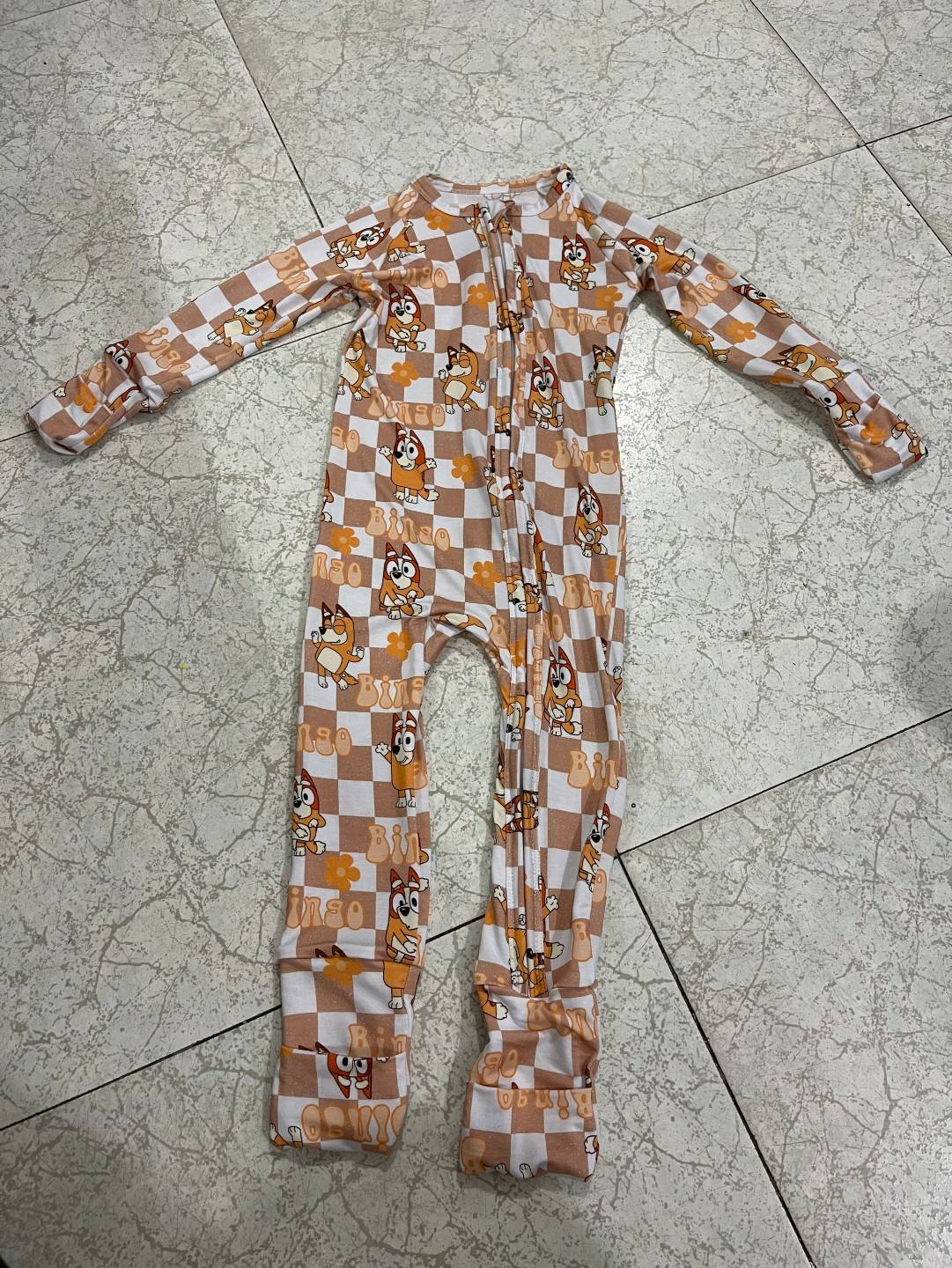
, several manufacturers are committed to ethical labor practices and community welfare. By investing in workforce training, manufacturers ensure the creation of high-quality products while maintaining ethical standards. This commitment not only improves the lives of workers but also enhances the reputation and value of the baby clothes produced.
: Craftsmanship and Innovation in Indian Baby Clothes
The baby clothes manufacturing sector in India embodies a unique blend of craftsmanship and technological innovation. By focusing on precision sewing, structural durability, and sustainable practices, Indian manufacturers produce garments that meet international quality standards. This dedication to excellence not only satisfies a global market but also ensures that the clothes are safe, comfortable, and durable for their young wearers.
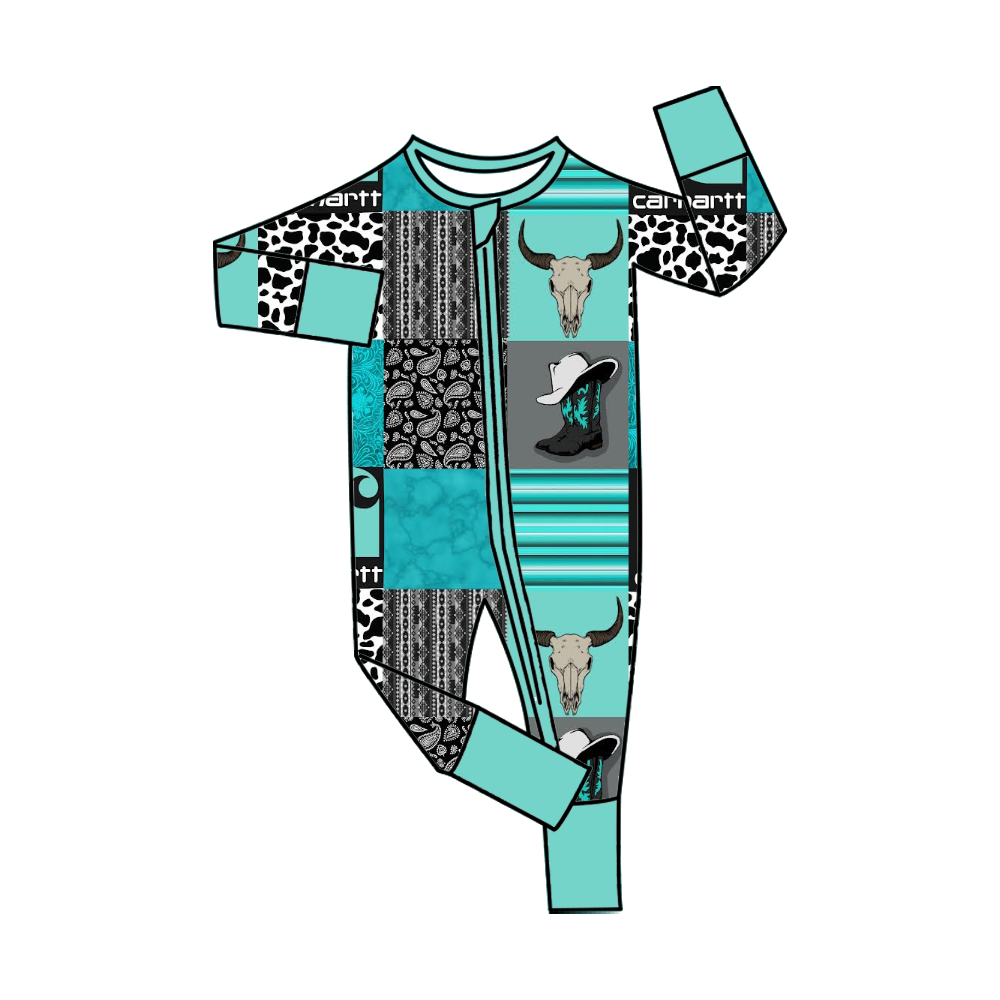
| Fabric Type | Pima Cotton |
| Compliance | CPC Certified |
| Customization | OEM |
| Lead Time | 39 Days |
As manufacturers continue to innovate and refine their processes, they play a critical role in setting industry benchmarks and delivering products that stand the test of time. From selecting the finest materials to employing advanced sewing technologies, the meticulous efforts of Indian baby clothes manufacturers underscore a commitment to quality and sustainability, positioning them as leaders in the global textile industry.
This HTML B2B article outlines the precision sewing techniques, structural durability strategies, and sustainable practices adopted by baby clothes manufacturers in India, providing a comprehensive overview of the industry while emphasizing technical insights.