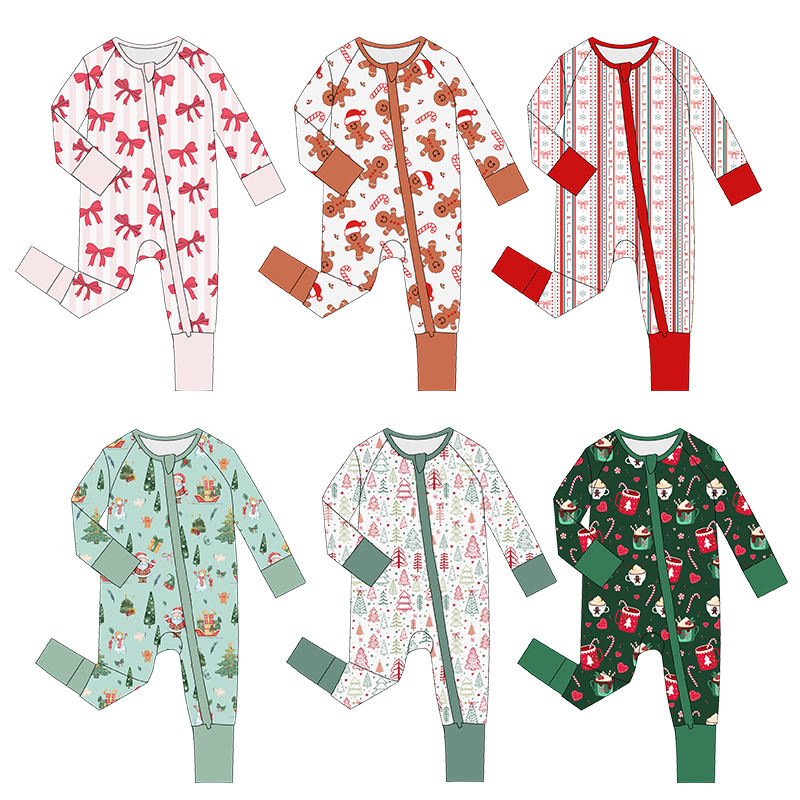
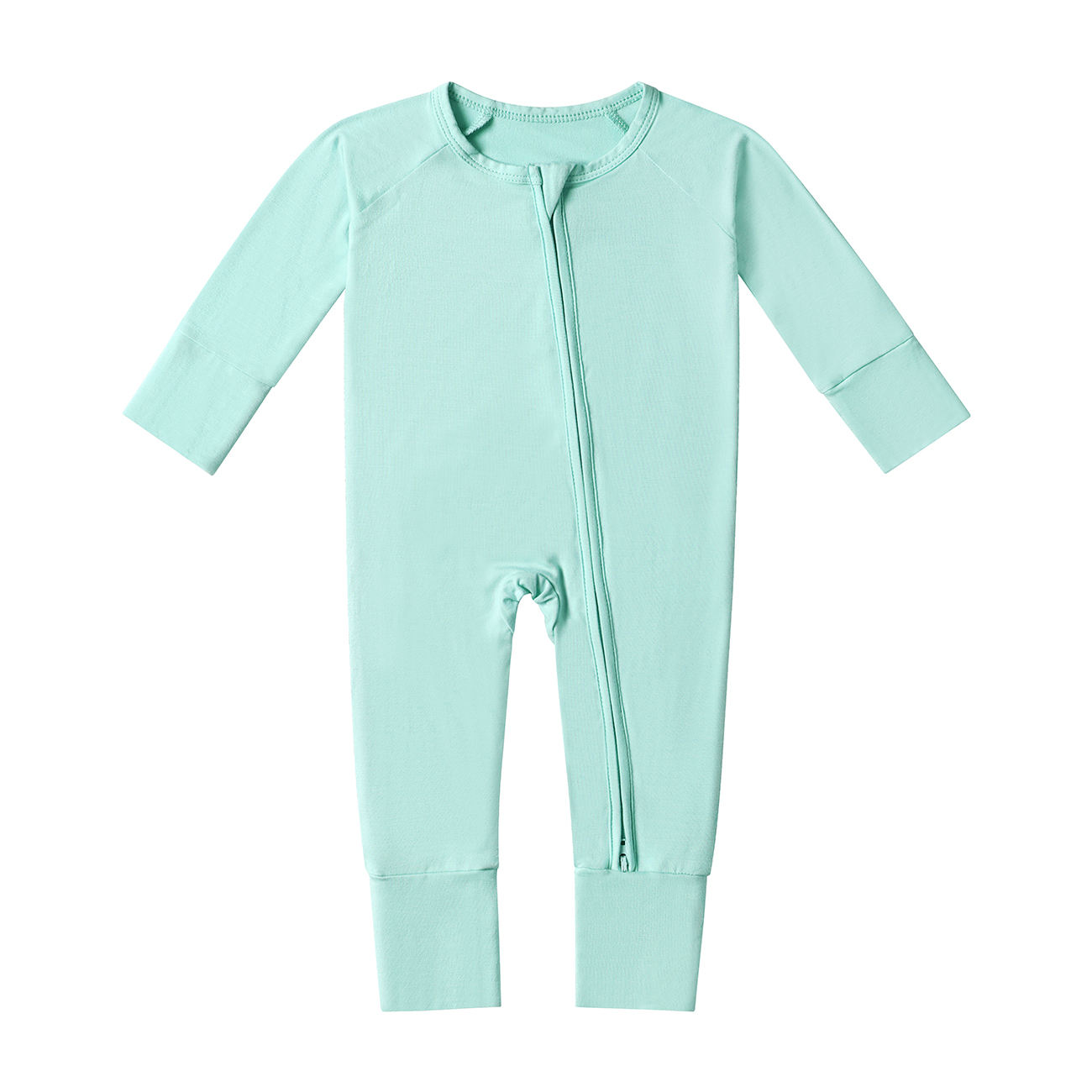
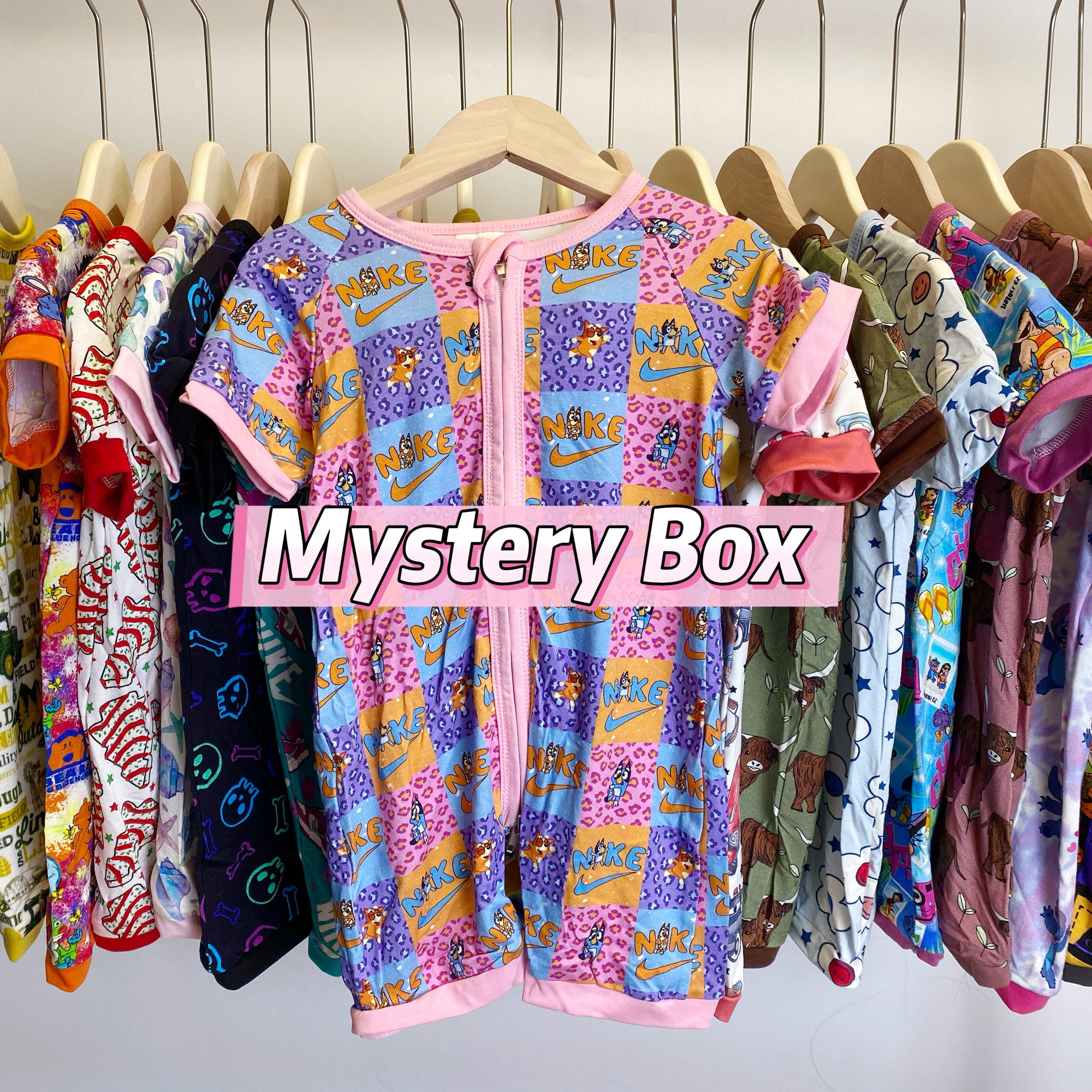
Private Label Baby Clothes Wholesale Custom Manufacturer
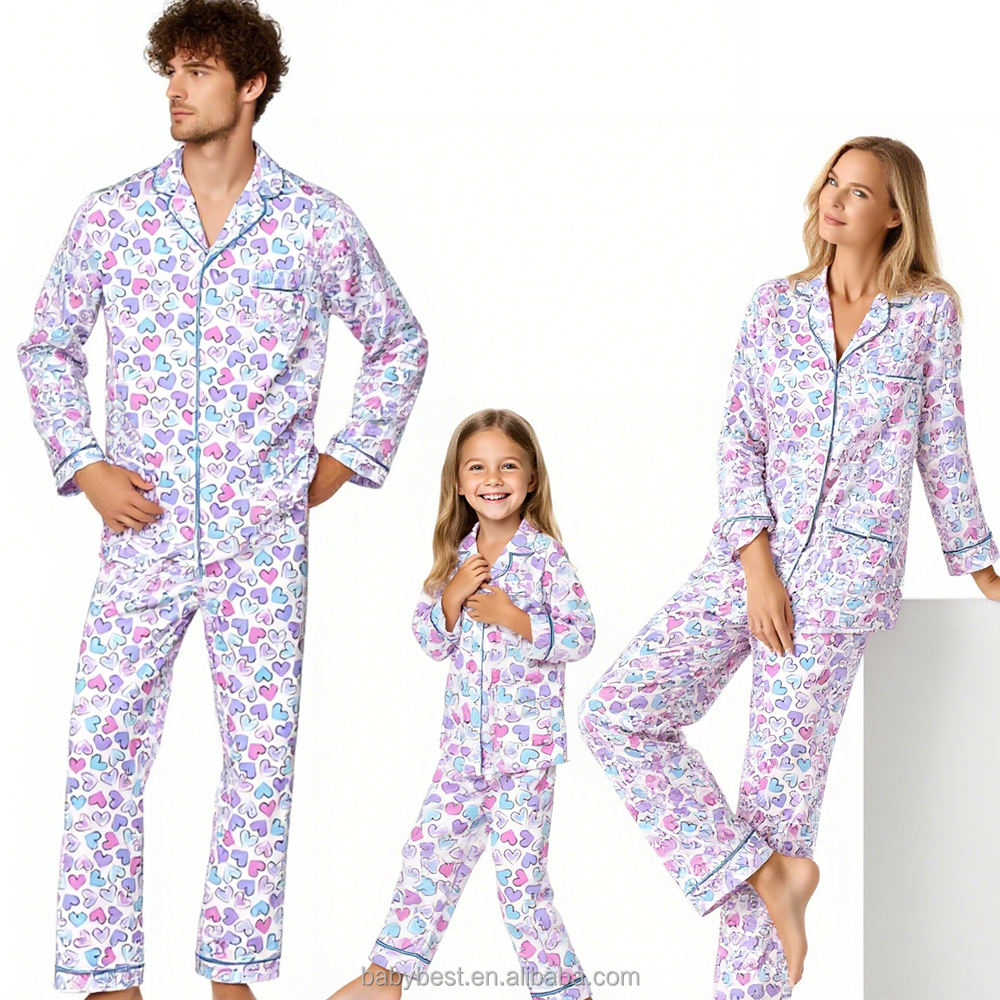
Baby Clothes Wholesale: Enhancing Precision and Durability in Production
In the world of fashion, especially when it comes to baby clothes, precision and durability are crucial. Wholesale suppliers, manufacturers, and retailers need to ensure that their products meet stringent quality standards for both sewing precision and structural durability. This is not only vital for compliance and customer satisfaction but also for the long-term success of businesses involved in the baby clothes industry.
The Importance of Sewing Precision in Baby Clothes
Sewing precision involves accurately stitching fabric pieces to form a garment that not only looks aesthetically pleasing but also provides comfort and safety for babies. The demand for sewing precision in baby clothes is paramount for several reasons:
- Safety: Babies have sensitive skin and any irregularities like loose threads or uneven seams can cause irritation or harm. Precision in sewing reduces the risk of skin irritation and ensures the garment is safe for a baby to wear.
- Comfort: Precise sewing guarantees that the clothes fit well, providing comfort to the babies without causing any restriction or discomfort.
- Aesthetic Appeal: High-quality sewing translates into better-looking garments. In the competitive baby clothes market, aesthetic appeal can significantly influence purchasing decisions.
Ensuring Structural Durability in Baby Wear
Structural durability refers to the garment's ability to withstand wear and tear, laundering, and everyday use without losing its shape or integrity. For baby wear, durability is critical due to the dynamic activity levels of infants and toddlers as well as frequent washing.
- Material Selection: Choosing the right materials is foundational to durability. High-quality cotton and organic materials are often preferred for their resilience and comfort.
- Stitch Techniques: Utilizing advanced stitch techniques helps fortify seams and connections in the garment. Techniques such as serging or overlocking can enhance durability.
- Testing Protocols: Implementing rigorous testing protocols to assess the durability of baby garments under various conditions ensures that the products can sustain repeated washing and usage.
Leveraging Technology in Production
For wholesale suppliers in the baby clothes sector, leveraging modern technology is indispensable for maintaining high standards of sewing precision and structural durability.
- Automated Sewing Machines: These machines offer high precision and can be programmed to follow specific stitch patterns, enhancing productivity and consistency.
- CAD Software: Computer-Aided Design (CAD) software facilitates accurate pattern making which is crucial for precision cutting and sewing.
- Quality Control Systems: Advanced quality control techniques such as 3D scanning and digital stitching analysis can help identify flaws early in the production process.
Building Partnerships and Ensuring Compliance
In the B2B landscape of baby clothes wholesale, building strong partnerships and ensuring compliance with industry standards is vital.
- Collaborative Networks: Developing partnerships with reliable suppliers and manufacturers can help maintain quality standards and streamline production processes.
- Regulatory Compliance: Ensuring that products comply with regulations related to baby products is critical for safety and marketability.
- Certifications: Obtaining certifications such as OEKO-TEX and Global Organic Textile Standard (GOTS) can enhance credibility and attract buyers who prioritize sustainability and safety.
, for businesses involved in baby clothing wholesale, focusing on sewing precision and structural durability while embracing technological advances and fostering strategic partnerships can lead to improved product quality, customer satisfaction, and business growth. As consumer expectations continue to evolve, staying ahead with meticulous production practices and compliance will be key to thriving in the dynamic market of baby clothes.
| Fabric Type | Pima Cotton |
| Compliance | ASTM F963 |
| Customization | ODM |
| Lead Time | 25 Days |