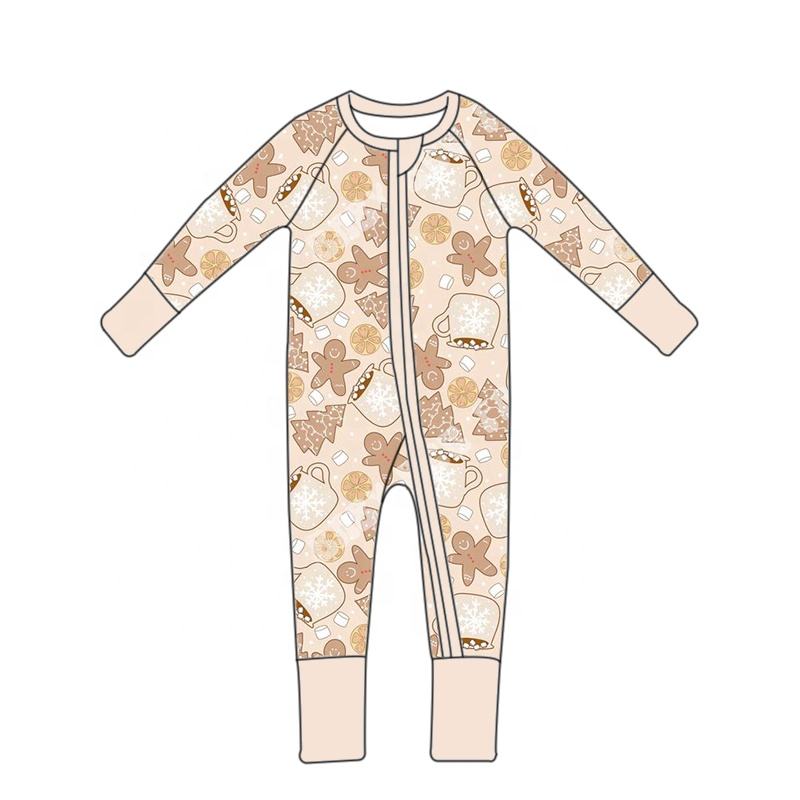
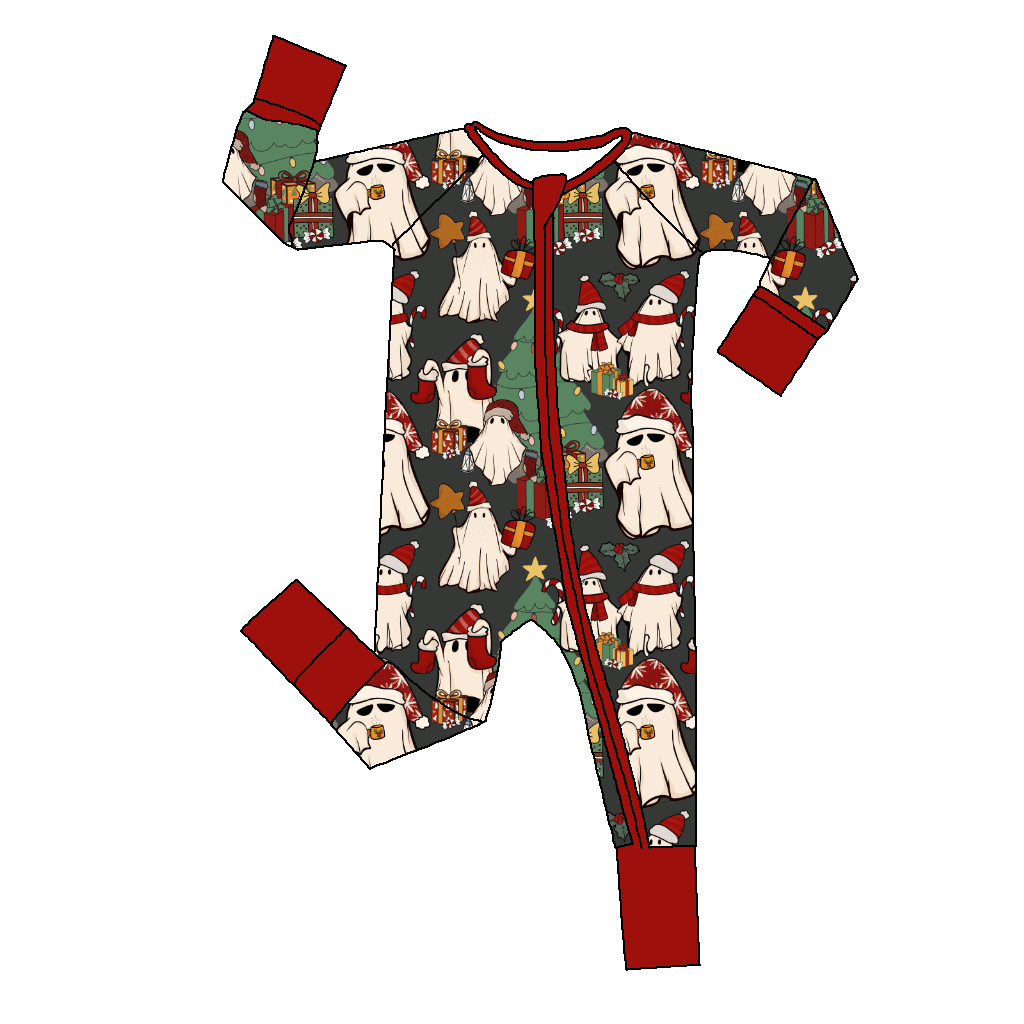
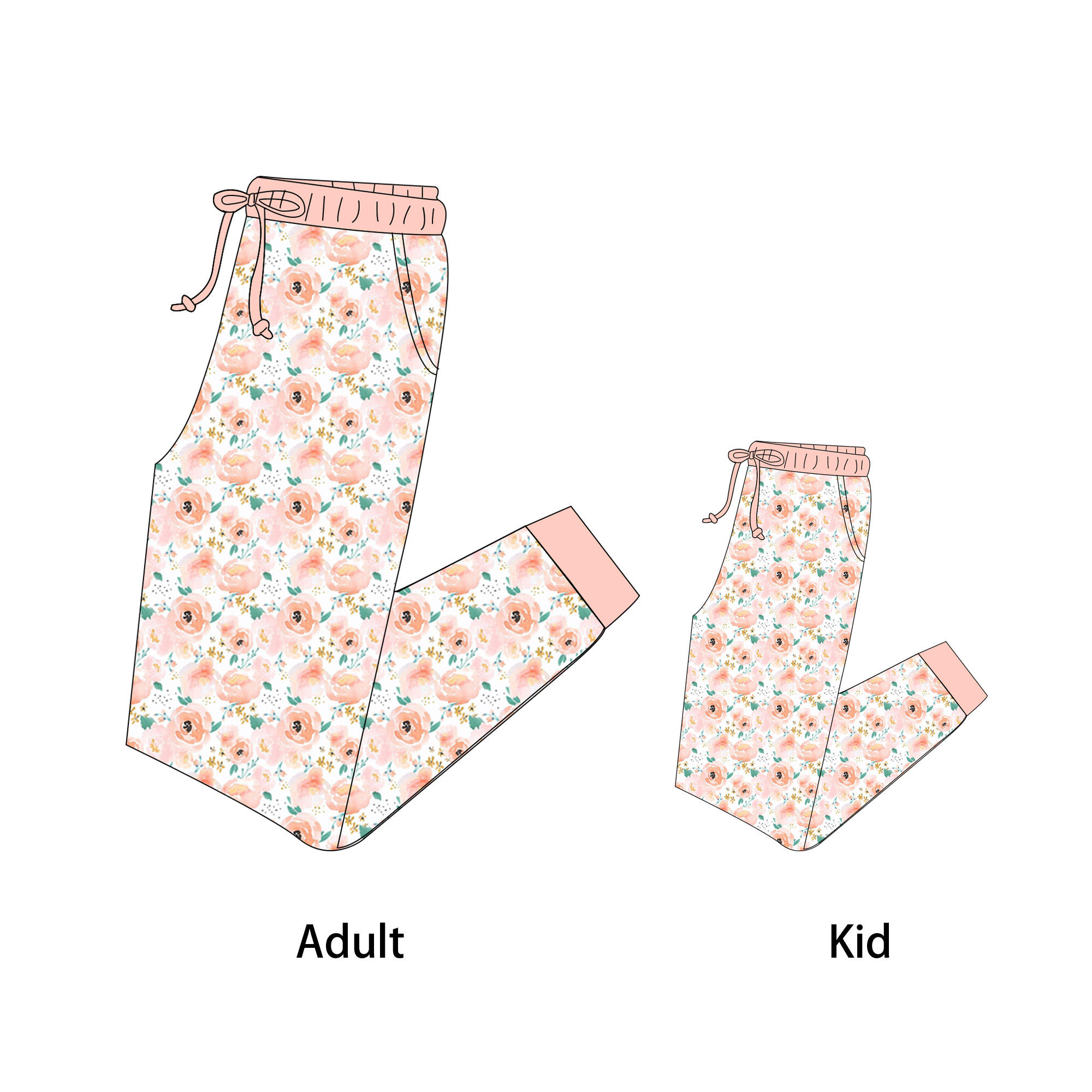
Private Label Bulk Baby Sleepers Cpsia Compliant Vendor
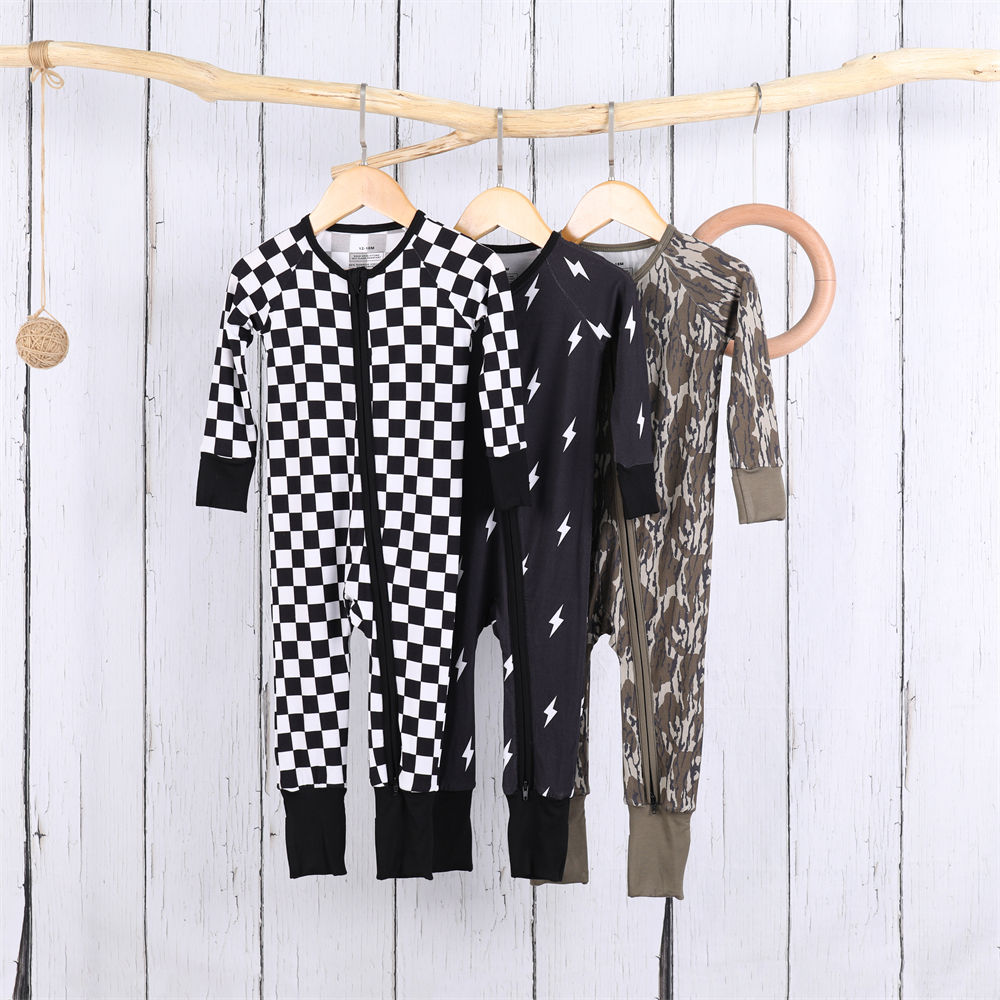
The Technical Art of Manufacturing Bulk Baby Sleepers
In the world of infant apparel, baby sleepers are a staple, and for companies looking to capitalize on bulk orders, ensuring precision and structural durability in production is paramount. The creation of high-quality baby sleepers involves intricate attention to detail, from fabric selection to seam execution, all while prioritizing the comfort and safety of the infant. This article delves into the technical aspects of sewing bulk baby sleepers, affording insights into crafting garments that meet the industry's highest standards.

Fabric Selection: Balancing Comfort and Durability
The foundation of a quality baby sleeper lies in its fabric. Selecting the right material is crucial, as it directly impacts both the comfort and longevity of the garment. Cotton, particularly organic cotton, is favored for its softness and breathability. However, blending cotton with synthetic fibers like polyester can enhance durability without compromising comfort.
When producing baby sleepers in bulk, fabric consistency is key. Variabilities in thickness or weave can lead to discrepancies in garment performance. Technicians must ensure that each batch of fabric maintains uniformity in characteristics such as thread count and fiber composition, allowing for consistent production outcomes.
Sewing Precision: The Role of Advanced Machinery
Precision in sewing is imperative for producing durable baby sleepers. Modern manufacturing utilizes automated sewing machines equipped with computer-aided design (CAD) capabilities. These machines not only increase production speed but also enhance precision by reducing human error in stitching.


Critical to the durability of the seams in baby sleepers is the use of adjustable stitch settings. Technicians can fine-tune the machine to adapt stitch width and length according to fabric type, ensuring that seams are both flexible and robust. Reinforced seams, often employed in high-stress areas like the crotch or foot openings, are pivotal in preventing wear and tear.
Structural Integrity: Testing and Quality Control
Ensuring structural durability in baby sleepers goes beyond sewing; it involves rigorous testing and quality control processes. The strength and elasticity of seams are tested through stretch and stress tests, simulating the natural movements of infants. The goal is to ensure that the garments can withstand frequent washing and the dynamic movements of crawling or playing.
Quality control technicians are tasked with inspecting each batch of sleepers for imperfections like missed stitches or fabric tears. Advanced imaging technology can be employed to detect micro-level defects that the naked eye might miss. Implementing a stringent quality control process not only guarantees product excellence but also enhances brand reputation in the competitive baby apparel market.
Scalability and Efficiency in Bulk Production
For businesses producing baby sleepers in bulk, scalability and efficiency are fundamental considerations. Manufacturing processes must be optimized to handle large volumes without sacrificing quality. Lean manufacturing principles, such as minimizing waste and maximizing productivity, are essential.
Efficient workflow organization in the sewing line, from fabric cutting to final inspection, can reduce production time and increase output. Technologies like IoT (Internet of Things) can be integrated into the manufacturing process to monitor equipment performance, predict maintenance needs, and streamline operations.
Additional considerations include logistics and inventory management. Effective supply chain coordination ensures materials are readily available, while real-time data analytics inform production decisions. Together, these strategies form the backbone of scalable and efficient bulk production.
| Fabric Type | Organic Bamboo |
| Compliance | GOTS Organic |
| Customization | Bespoke |
| Lead Time | 25 Days |
: Crafting Excellence in Baby Sleepers
Producing bulk baby sleepers requires a blend of technical precision and strategic efficiency. From selecting the perfect fabric to implementing advanced sewing techniques, every step in the manufacturing process is integral to creating garments that are comfortable, durable, and safe for infants.
By focusing on structural integrity and quality control, manufacturers can ensure that their baby sleepers meet the highest market standards. Scalability and efficiency further enhance a business's capacity to fulfill large orders while maintaining consistent quality, providing a competitive edge in the vital sector of infant apparel.
As the demand for baby sleepers continues to grow, companies that prioritize precision in production and structural durability will lead the charge in offering products that parents trust and infants love. This commitment to excellence not only benefits the manufacturer but also establishes enduring customer loyalty and satisfaction.