Private Label Wholesale Baby Clothes Bespoke Oem
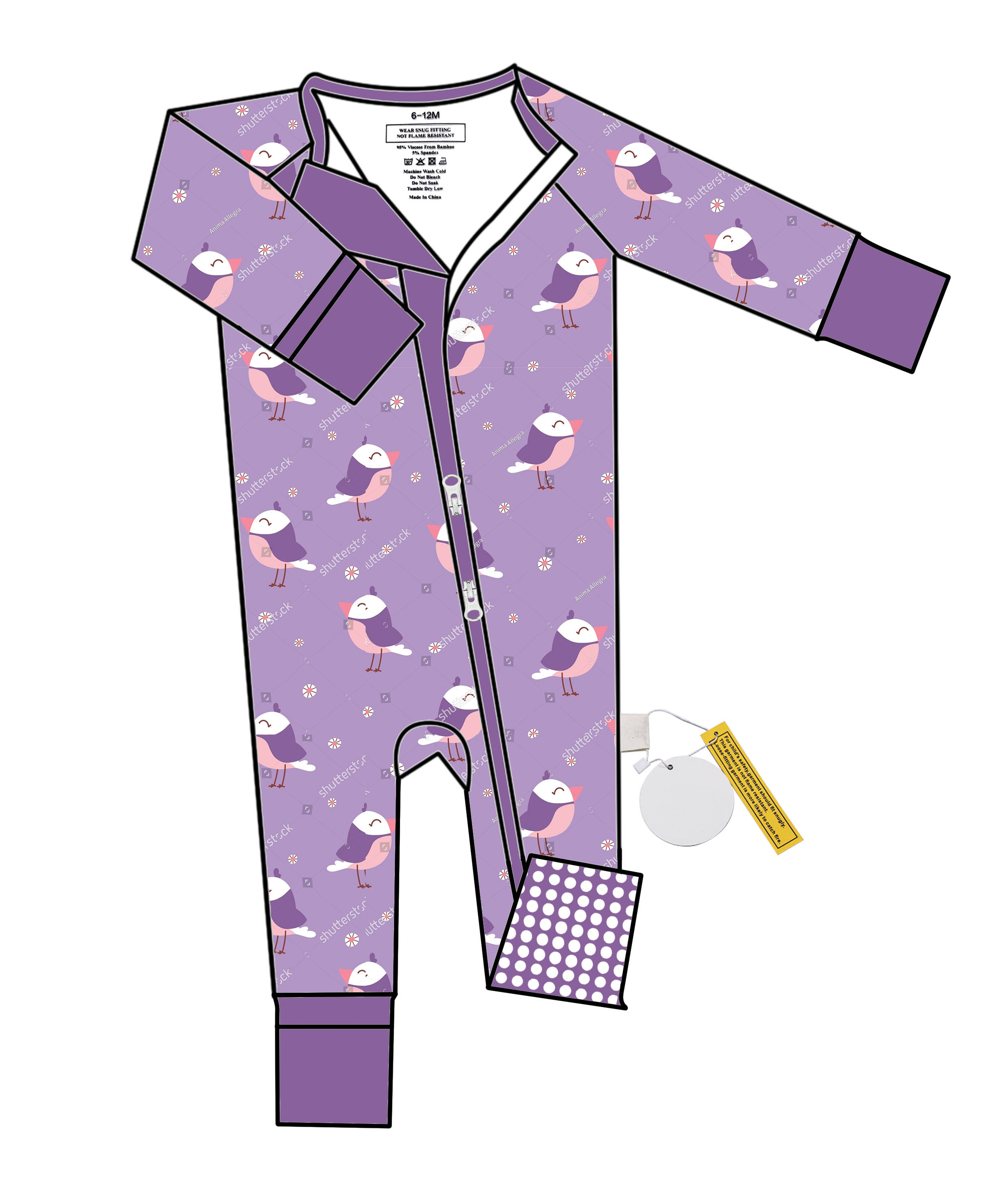
Enhancing Precision and Durability in Wholesale Baby Clothes
As demand for high-quality baby clothing grows, wholesalers are increasingly under pressure to provide garments that meet exacting standards for precision and durability. Sewing precision and structural durability are two pivotal elements that ensure the garments withstand wear and retain their shape, making them vital in the competitive world of wholesale baby clothes.
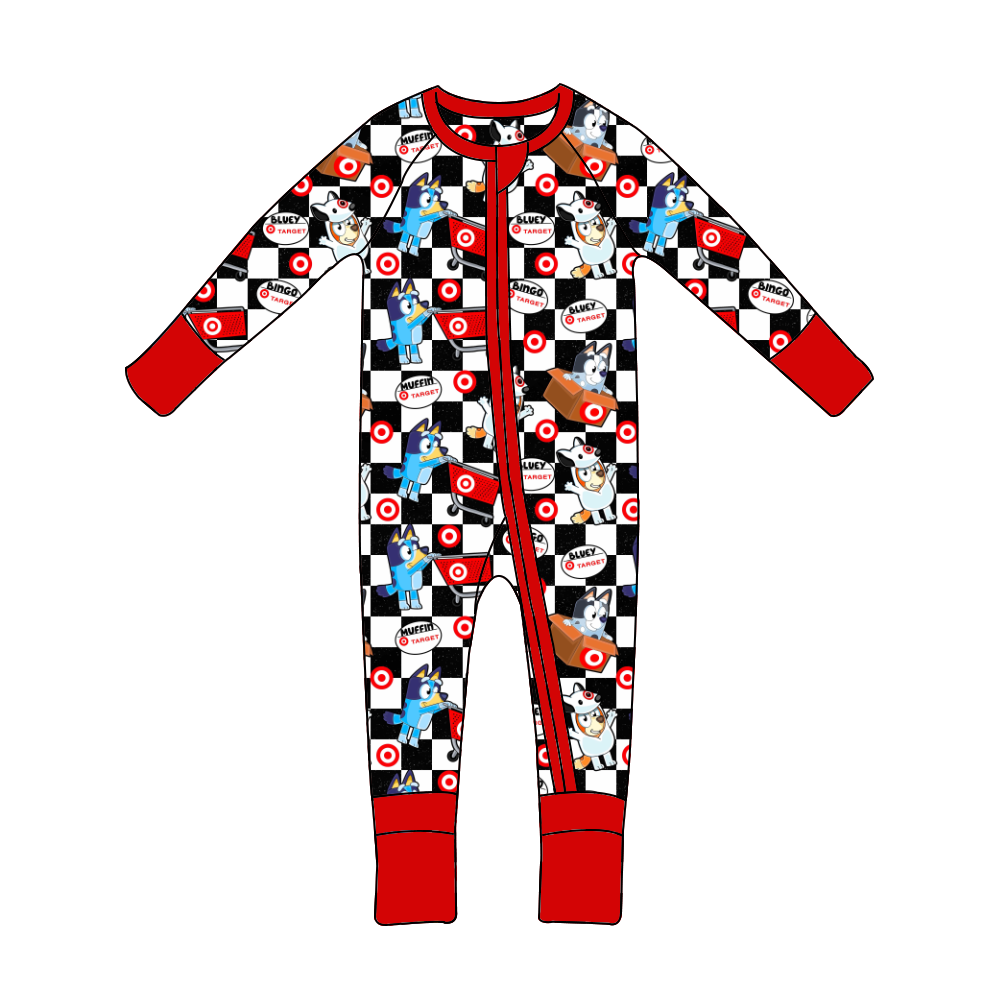
Importance of Sewing Precision
Sewing precision plays a crucial role in the production of wholesale baby clothes. Given the delicate nature of consumers—infants—there is no room for error. A garment's seam serves not only an aesthetic function but also supports the garment's structure. Misaligned or uneven seams can compromise both comfort and durability, two essential aspects sought after by parents.
Precision is achieved through the meticulous calibration of sewing machines, skilled artisanship, and thorough quality control processes. Advanced technologies, such as Computerized Numerical Control (CNC) systems, have revolutionized the accuracy achievable in garment-making. The implementation of these systems ensures that each stitch meets predetermined specifications, significantly reducing the instances of misaligned or broken seams.
Ensuring Structural Durability
Structural durability in baby clothes is non-negotiable. Babies necessitate robust clothing capable of enduring frequent laundering, crawling, and movement without losing form or integrity. The wholesale market requires garments that not only meet basic durability standards but exceed them.
Durability is largely a factor of both materials and construction methods. High-quality materials, such as certified organic cotton and specialty blends like bamboo or modal, are preferred for their resilience and gentleness. Construction methods such as flat-fell seams and reinforced stitching further enhance longevity, ensuring that seams do not unravel after washing or extended wear.
Innovations in Sewing Technology
The relentless pursuit of quality has driven innovations within sewing technology, revolutionizing how wholesale baby clothes are manufactured. Three-dimensional sewing has emerged as a pivotal development, enabling manufacturers to achieve unprecedented precision in garment fitting and finish.
Another significant innovation is the use of automated sewing lines, which, through robust software, can replicate human-like judgment in sewing processes. These lines are equipped to manage delicate fabrics, monitoring tension and pressure settings to enhance precision further.
Finally, smart textiles offer opportunities for enhanced durability. Utilization of nanotechnology-coated threads or fabric treatments can make baby garments more resistant to stains and wear without compromising softness.
The Role of Skilled Craftsmanship
While technology plays a pivotal role, skilled craftsmanship remains at the heart of producing high-quality baby clothing. Experienced technicians complement automated systems, adding a level of finesse and expertise that technology alone cannot replicate. These professionals are adept at spotting potential issues in fabric, pattern, and construction that could impact a garment's quality.
Experienced sewers understand the complexities of various fabric types and the appropriate tension and stitch styles required to maintain both precision and durability. Their role extends beyond mere production, involving ongoing training and development to keep pace with technological advancements.
Quality Control in Wholesale Manufacturing
Quality control is a critical component in the production of wholesale baby clothes, ensuring that only the highest quality garments enter the market. Rigorous testing protocols are implemented to monitor sewing precision and structural durability throughout the manufacturing process.
These protocols often begin with the inspection of raw materials, verifying consistency in fabric weight and texture. During production, garments undergo multiple rounds of examination, including seam strength testing, fabric stretching analysis, and colorfastness checks. Advanced diagnostic tools are employed to detect anomalies, ensuring each garment adheres to stringent quality standards.
Post-production, random sampling, and testing further verify the integrity and quality of the finished products. The feedback gathered through these exhaustive QC processes informs continuous improvement strategies, enabling better production techniques and material selection in subsequent manufacturing cycles.
Sustainability in Baby Clothing Production
Sustainability is a growing concern in the textile industry, and the baby clothing sector is no exception. Wholesale manufacturers are increasingly prioritizing sustainable practices both to meet consumer demand and to minimize environmental impact.
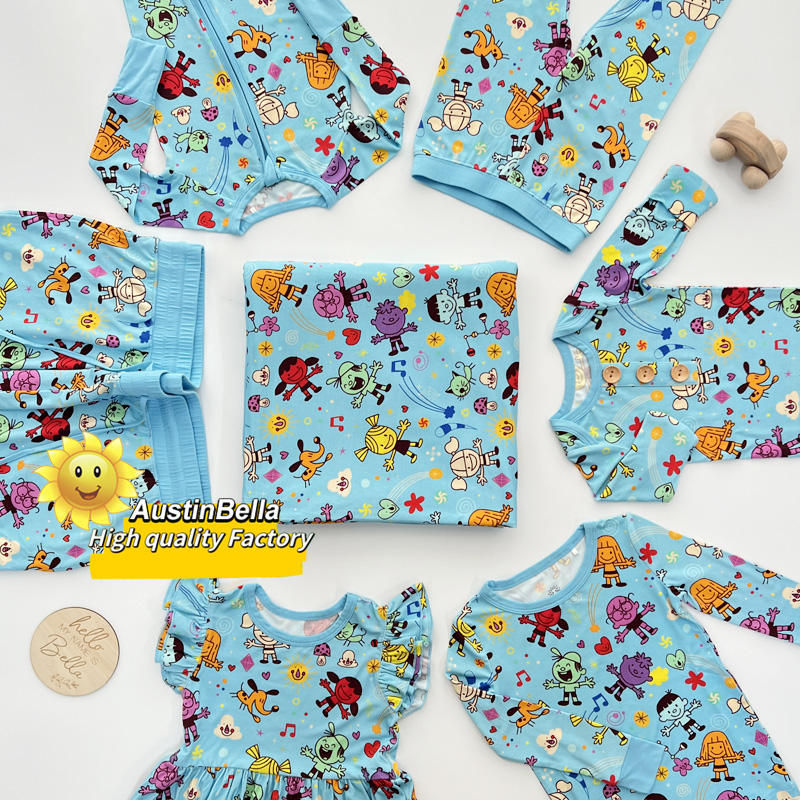
Sustainable practices include using eco-friendly materials like organic cotton and recycled fibers, which reduce the carbon footprint associated with production. Additionally, water-saving dye techniques and waste reduction strategies have been integrated into manufacturing processes to enhance sustainability without compromising quality.
, a focus on precision and durability aligns seamlessly with sustainable practices, as garments that are built to last naturally reduce waste and resources needed for replacements.
: Balancing Quality and Innovation in Wholesale Baby Clothes
The landscape of wholesale baby clothes is evolving, shaped by technological advancements, skilled craftsmanship, and a commitment to quality and sustainability. A robust focus on sewing precision and structural durability is essential for manufacturers aiming to produce premium baby clothing that meets consumer expectations for safety, comfort, and longevity.
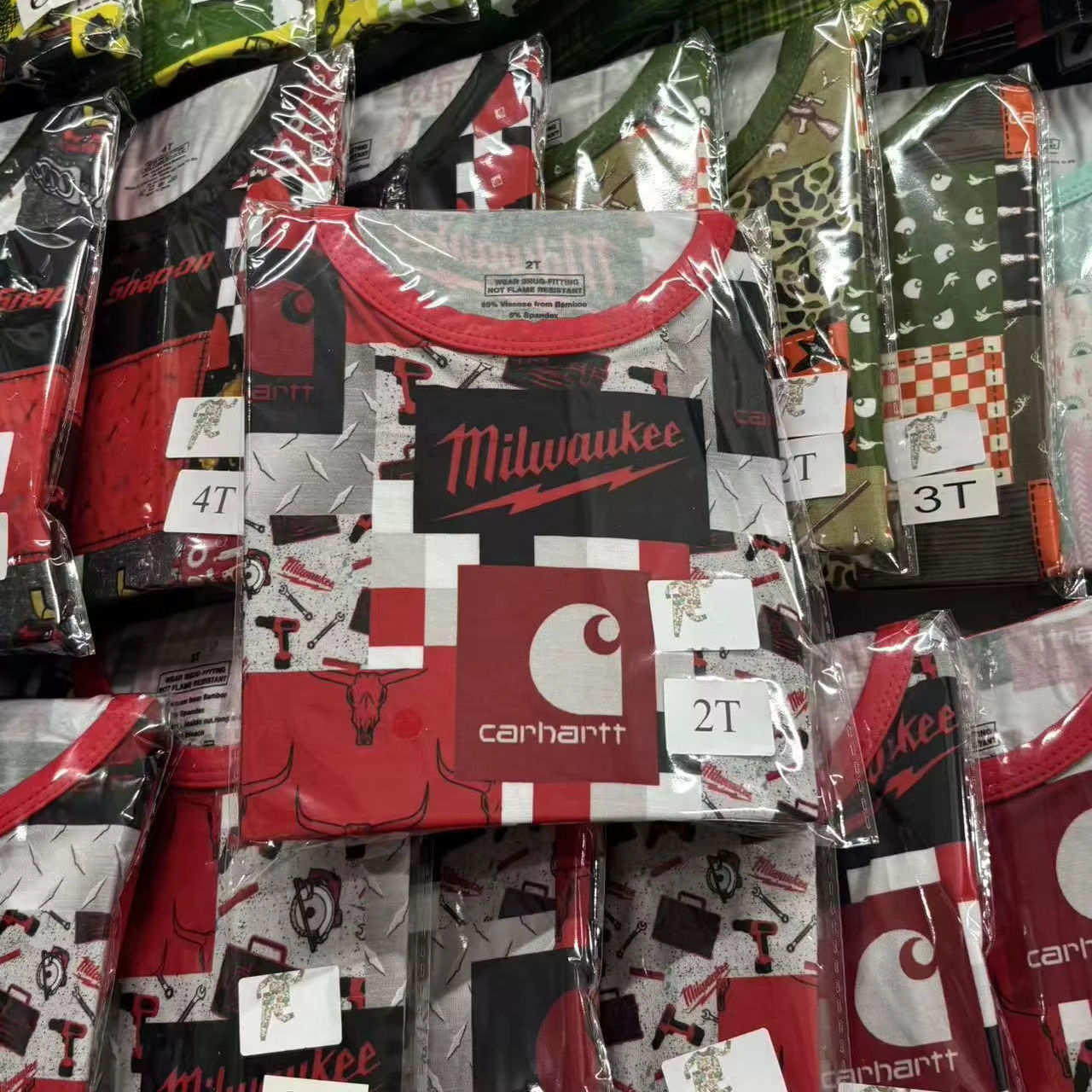
| Fabric Type | Organic Bamboo |
| Compliance | OEKO-TEX 100 |
| Customization | Tailor-made |
| Lead Time | 28 Days |
In the ever-competitive market, those wholesalers who invest in advanced technologies and skilled labor, while embracing sustainable practices, are well-poised to lead the industry in providing high-quality products that parents trust and choose for their babies.