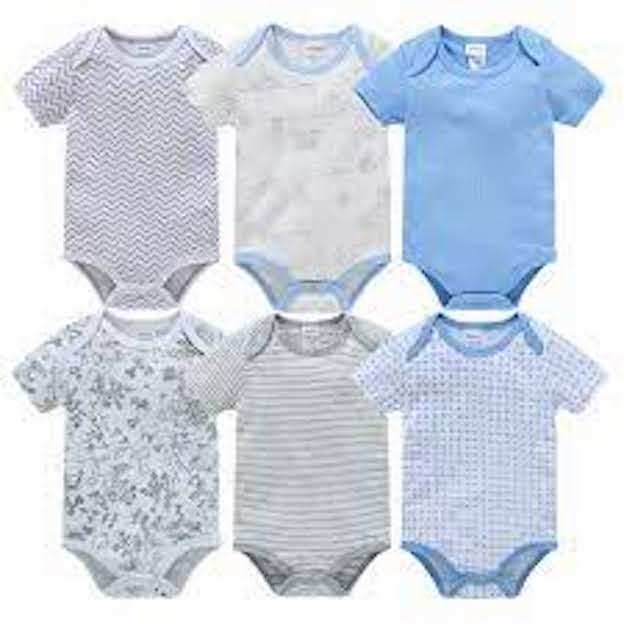
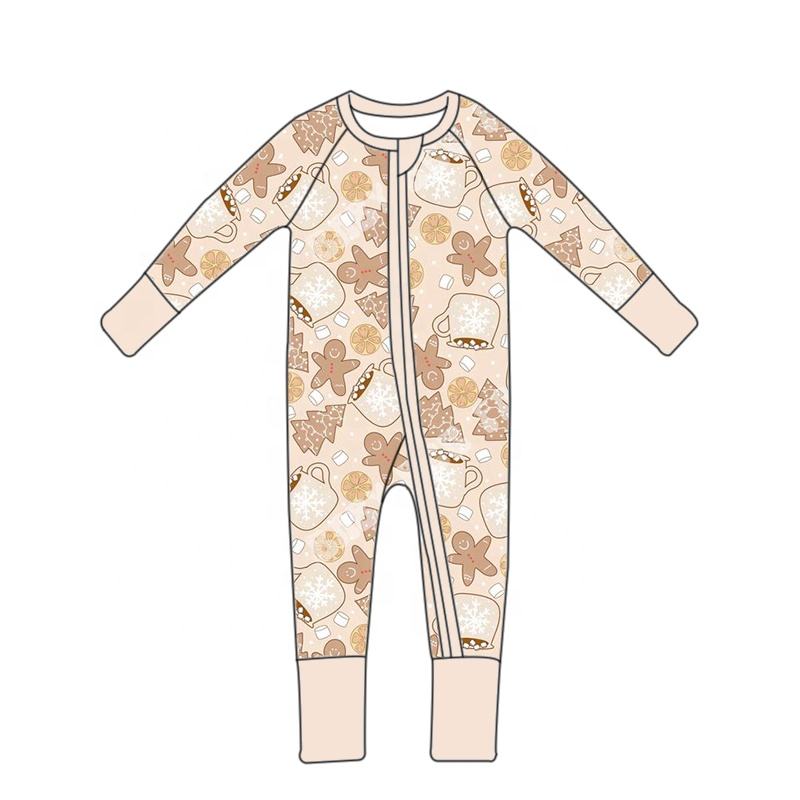
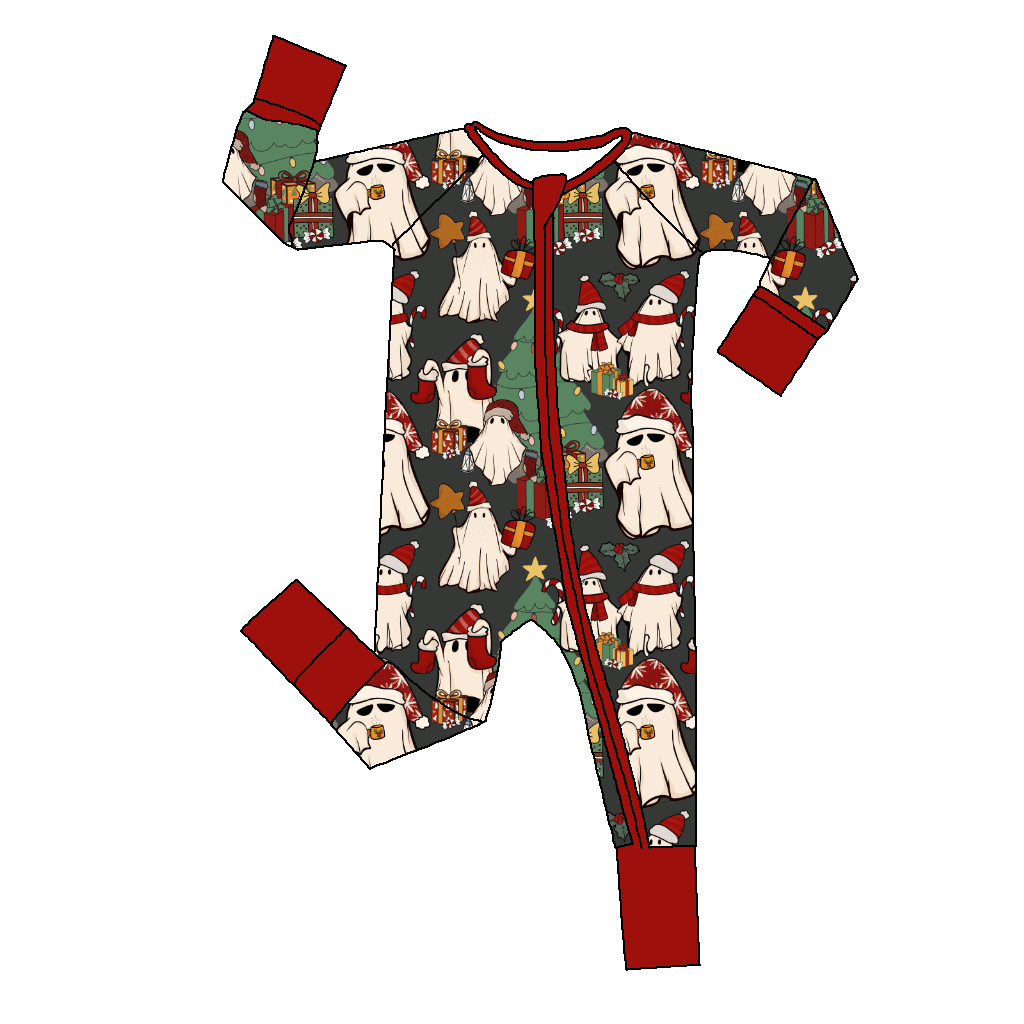
Tailormade Baby Onesies In Bulk Cpsia Compliant Factory
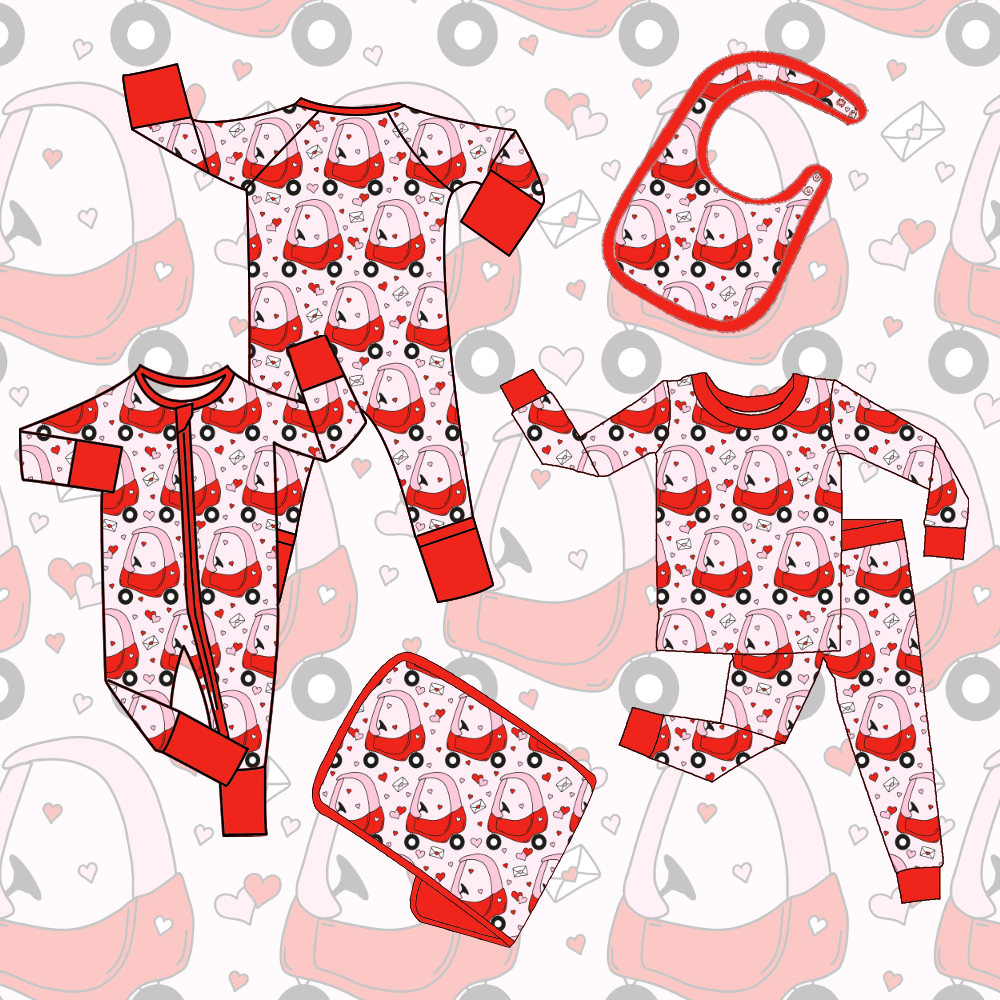
Precision and Durability in Bulk Baby Onesies Manufacturing
In the textile industry, particularly in children's apparel, the demand for quality baby onesies is ever-growing. Businesses looking to purchase baby onesies in bulk require assurance of sewing precision and structural durability. This article delves into the technical aspects of ensuring these qualities, providing insights into materials, stitching techniques, and quality control processes.

Understanding Fabric Choices
When manufacturing baby onesies in bulk, the selection of fabric is paramount. The fabric influences the onesie's comfort, durability, and quality. Cotton is widely preferred due to its softness and breathability, essential for a baby's sensitive skin. Organic cotton provides added benefits as it is produced without harmful chemicals, ensuring an eco-friendly finish. Additionally, incorporating a blend with elastane or spandex can enhance stretchability, providing a snug fit without compromising the baby's comfort.
The fabric must undergo rigorous testing for durability, ensuring it can withstand multiple washes without losing shape or softness. A consideration of the fabric's GSM (grams per square meter) is also crucial; typically, a GSM range between 150-220 is ideal for baby onesies, offering a balance between comfort and durability.
Sewing Techniques for Precision
Precision in sewing is critical in bulk production to ensure uniformity and structural integrity. Employing advanced sewing techniques such as interlock stitching can significantly enhance the durability of the seams. Interlock stitching provides a strong, flexible seam that can withstand the stresses of wear and tear. Double-needle stitching can further reinforce seams, preventing unraveling and ensuring a high-quality finish.
Automated sewing machines can be programmed for precision stitching, reducing human error and increasing production speed. The use of programmable machines allows for consistent sewing patterns, ensuring each onesie conforms to strict quality guidelines. Additionally, overlocking is essential to securing raw edges, preventing fraying and contributing to the garment's longevity.

Structural Durability: Design Considerations
The design of baby onesies plays a crucial role in structural durability. Certain features, such as reinforced snaps and ribbed cuffs, can prolong the life of the garment. Reinforced snaps ensure secure closures that can withstand frequent opening and closing without losing functionality. Employing durable materials for snaps, such as stainless steel or nickel-plated snaps, can prevent rust and degradation over time.
Ribbed cuffs at the sleeves and ankles not only provide a snug fit but also help maintain the garment's shape after extended use. Incorporating flat-lock seams can minimize bulkiness and enhance the onesie's comfort level. These considerations ensure that the design not only meets aesthetic standards but also functional durability requirements.
| Fabric Type | Pima Cotton |
| Compliance | ASTM F963 |
| Customization | OEM |
| Lead Time | 20 Days |
Quality Control and Assurance
Quality control is critical in ensuring that each baby onesie meets established standards for precision and durability. A comprehensive inspection process should be implemented, checking for stitching integrity, fabric quality, and seam strength. Automated fabric scanners can be employed to detect any flaws or inconsistencies in the fabric itself, ensuring only quality materials proceed to the sewing phase.
Post-production, each onesie should undergo tensile strength tests to evaluate the durability of seams and the garment. Stress tests simulate typical wear scenarios, ensuring the onesie can withstand daily use without compromising structural integrity. Conducting wash tests can also assess the fabric's resilience to shrinkage, colorfastness, and its ability to maintain softness after multiple cycles.
Benefits of Investing in Quality Bulk Production
Investing in quality bulk production of baby onesies offers numerous advantages for wholesalers and retailers. First and foremost, high-quality production reduces return rates and enhances consumer satisfaction, which is crucial in building brand reliability and customer loyalty. Quality assurance in bulk manufacturing also streamlines processes, as fewer defects mean less wasted time and resources during production.
Additionally, having a reputation for quality can set a business apart in a competitive market, offering an edge over competitors who may prioritize quantity over quality. , efficient production processes and robust quality control measures can lead to cost savings, as defects and quality issues are minimized. Retailers purchasing bulk stock can confidently market their products, knowing they offer not just quantity but superior quality as well.

, the manufacture of baby onesies in bulk presents unique challenges and opportunities. Emphasizing the technical aspects of fabric selection, sewing precision, design considerations, and quality control not only guarantees a durable, comfortable product but also translates into business success and consumer satisfaction. As the market continues to demand high standards, focusing on these critical areas ensures a competitive edge and a sustainable approach to bulk baby onesies production.